
 EN
EN
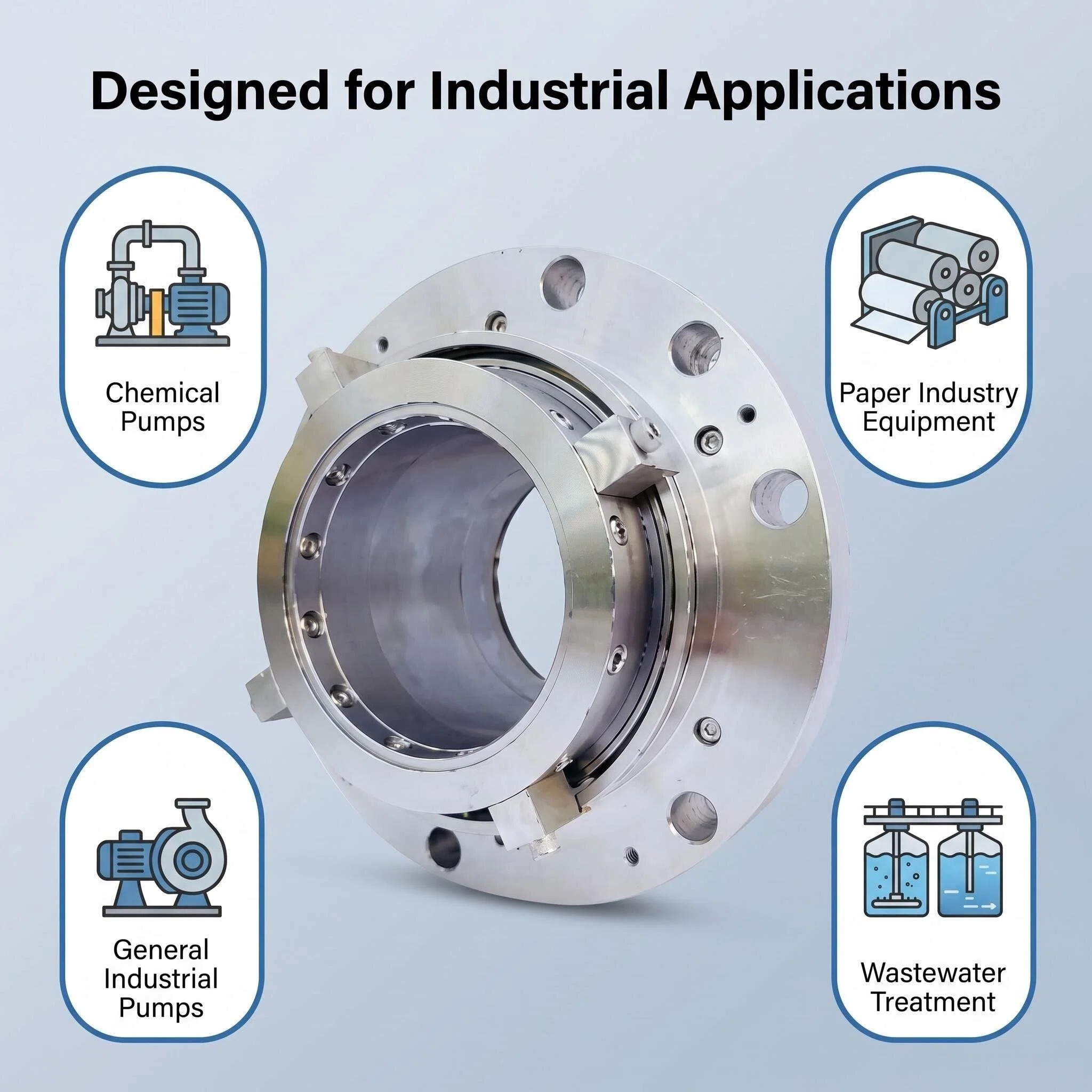
Improving Pump Performance Through Advanced Sealing Solutions
In industrial pumping systems, sealing technology plays an essential role in maintaining efficiency, reliability, and operational stability. For many years, packing was widely used as a traditional sealing method, but modern equipment requirements have increased the demand for more reliable and efficient solutions. A mechanical pump seal has become an important alternative because it can reduce leakage, lower maintenance requirements, and improve the overall performance of pumping systems.
Why do many industries choose a mechanical pump seal instead of traditional packing? The main reason is that modern production environments require higher levels of efficiency, cleaner operation, and longer equipment service life. A mechanical pump seal is designed to create a controlled sealing interface between rotating and stationary components, reducing fluid loss while allowing continuous shaft movement.
Traditional packing relies on compressed material around the shaft to limit leakage. Although packing can provide a simple sealing solution, it requires regular adjustment, creates more friction, and may consume more energy during operation. A mechanical pump seal uses precision-engineered sealing faces to achieve better control of fluid leakage and reduce unnecessary mechanical resistance.
The performance difference becomes especially important in industries where pumps operate continuously. Chemical processing, water treatment, food production, pharmaceutical manufacturing, energy systems, and industrial equipment all depend on stable pump performance. A properly selected pump seal helps these systems maintain productivity while reducing unexpected maintenance.
Efficiency is not only about reducing energy consumption. It also includes minimizing downtime, extending component life, improving safety, and maintaining consistent fluid handling. A high-quality pump seal contributes to all these areas by providing more stable sealing performance compared with traditional packing solutions.
Our mechanical pump seal solutions are developed according to different application requirements. By combining suitable materials, precise manufacturing, and application-focused designs, we help customers improve pump efficiency and achieve more reliable long-term operation.
Differences Between Mechanical Pump Seals and Packing Systems
Sealing Structure and Operating Principles
The main difference between a mechanical pump seal and packing lies in their sealing structure. Packing creates a seal by compressing soft material around the rotating shaft. This method depends heavily on the correct compression level to control leakage.
A mechanical pump seal uses two precisely finished sealing surfaces that operate together. One surface rotates with the shaft while another remains stationary, creating a controlled sealing barrier that prevents fluid from escaping.
Because of this design, a mechanical pump seal can maintain more consistent performance during operation. The sealing faces are engineered to work under specific pressure, temperature, and speed conditions.
Packing systems require continuous adjustment because the material naturally wears during operation. If packing becomes too loose, leakage increases. If it is tightened excessively, friction and shaft wear may increase.
A mechanical pump seal reduces the need for frequent adjustment because its structure automatically maintains contact between sealing surfaces under normal operating conditions.
This difference makes the pump seal a more suitable option for many modern industrial applications where stable performance and reduced maintenance are important.
Leakage Control and Fluid Management
Leakage control is one of the most important differences between packing and a mechanical pump seal. Packing systems usually allow a certain amount of leakage to lubricate and cool the packing material.
Although controlled leakage can be acceptable in some applications, it may create problems when handling valuable, hazardous, or environmentally sensitive fluids.
A mechanical pump seal is designed to minimize leakage by maintaining a precise sealing interface. This helps protect the working environment and reduces fluid loss during operation.
Reduced leakage also improves cleanliness. Industries that handle chemicals, food products, or pharmaceutical materials often require better containment performance from their pumping systems.
A reliable pump seal helps maintain process stability by preventing unwanted fluid escape and reducing contamination risks.
For applications where leakage control directly affects safety, efficiency, or product quality, selecting the appropriate pump seal can provide significant advantages.
Friction, Energy Consumption, and Equipment Wear
Friction is another important factor affecting pump efficiency. Packing creates continuous contact pressure around the shaft, which increases friction during operation.
Higher friction generates additional heat and can increase energy consumption. Over long operating periods, this may contribute to greater operating costs.
A mechanical pump seal operates with carefully controlled contact between sealing faces. This reduces unnecessary friction while maintaining effective sealing performance.
Lower friction helps reduce shaft wear and protects related pump components. The equipment can operate more smoothly with fewer mechanical stresses.
A properly designed pump seal balances sealing force and movement, allowing efficient operation without excessive resistance.
By reducing friction-related losses, a mechanical pump seal supports better energy efficiency and contributes to improved pump system performance.
Efficiency Advantages of Mechanical Pump Seals
Reducing Maintenance Frequency
Maintenance requirements are a major factor when evaluating pump efficiency. Traditional packing systems often require regular inspection, adjustment, and replacement.
As packing materials wear, operators must frequently adjust compression levels to maintain acceptable sealing performance. This creates additional labor requirements and increases maintenance workload.
A mechanical pump seal typically requires less frequent adjustment because its sealing surfaces are designed for stable long-term operation.
Reduced maintenance means fewer production interruptions. In continuous industrial processes, avoiding unnecessary shutdowns can significantly improve operational efficiency.
The service life of a pump seal depends on material selection, installation quality, and operating conditions. However, when properly selected, it can provide longer service intervals compared with many packing applications.
Lower maintenance requirements allow operators to focus resources on other equipment management tasks.
Our pump seal solutions are designed to help customers reduce maintenance demands while maintaining reliable sealing performance.
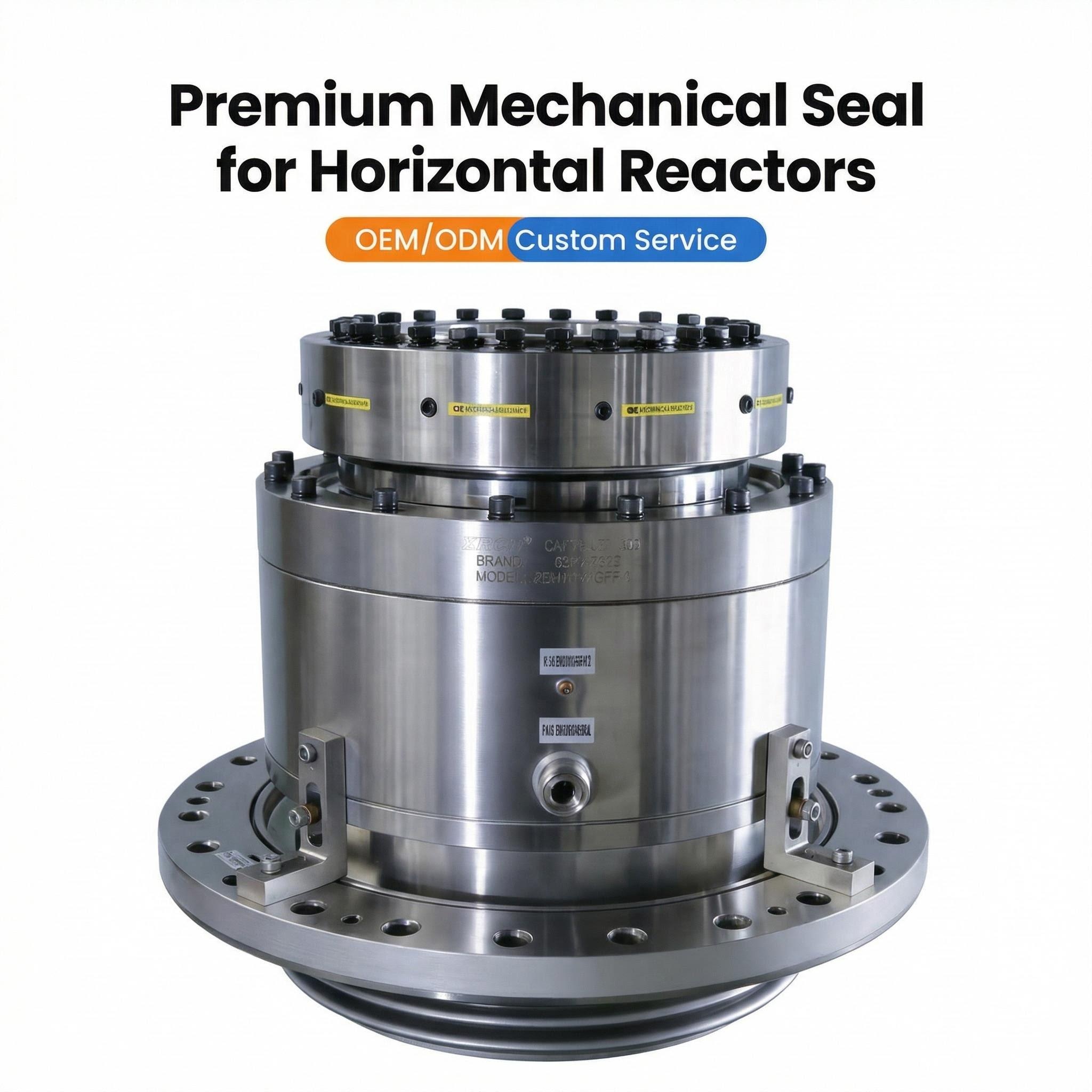
Improving Equipment Reliability
Equipment reliability depends on the ability of each component to perform consistently. A weak sealing system can affect the entire pump operation.
A mechanical pump seal improves reliability by maintaining stable sealing conditions under changing operating environments.
Pressure fluctuations, temperature variations, and continuous operation can challenge traditional packing systems. A suitable pump seal is designed to handle these conditions more effectively.
Improved sealing reliability protects other pump components from fluid exposure and unnecessary damage.
When leakage and friction are reduced, the pump system can operate more predictably.
Selecting the correct pump seal according to the application helps businesses achieve more stable production and fewer unexpected failures.
Supporting Cleaner Industrial Operations
Many industries require clean and controlled operating environments. Leakage from packing systems can create additional cleaning requirements and safety concerns.
A mechanical pump seal provides improved fluid containment, helping maintain cleaner equipment areas.
This advantage is especially valuable in industries where contamination control is important. Food processing, pharmaceutical production, and chemical applications often require reliable sealing performance.
A suitable pump seal reduces the possibility of fluid accumulation around equipment surfaces.
Cleaner operation also improves workplace conditions and simplifies maintenance activities.
By improving containment performance, the pump seal contributes to more efficient and safer industrial processes.
Application Benefits of Mechanical Pump Seals
Chemical Processing Applications
Chemical processing systems often involve aggressive fluids, high temperatures, and demanding operating conditions. Selecting the correct sealing technology is essential for maintaining safe and reliable operation.
A mechanical pump seal provides improved containment compared with traditional packing methods, helping reduce chemical leakage risks.
Material selection is critical because different chemicals may react differently with sealing components.
A suitable pump seal can be customized with corrosion-resistant materials and structures designed for specific chemical environments.
Stable sealing performance helps chemical equipment maintain consistent operation while reducing maintenance requirements.
For chemical applications, choosing the correct pump seal improves both operational efficiency and equipment protection.
Water Treatment and Circulation Systems
Water treatment systems often require pumps to operate continuously for long periods. Reliability and low maintenance are important factors in these applications.
A mechanical pump seal helps maintain efficient operation by reducing leakage and minimizing adjustment requirements.
Compared with packing systems, a suitable pump seal can provide more stable performance during long-term water circulation.
Water systems may involve different pressure levels, temperatures, and operating cycles, requiring appropriate sealing selection.
The pump seal must match the equipment conditions to achieve reliable service life.
By improving sealing stability, mechanical pump seals support efficient water management operations.
Food and Pharmaceutical Equipment
Food and pharmaceutical industries have strict requirements for cleanliness and process control.
A mechanical pump seal helps reduce leakage and supports cleaner equipment operation.
The selected pump seal materials should be compatible with hygiene requirements and cleaning processes.
Reliable sealing performance helps prevent unwanted contamination and maintains product quality.
Compared with traditional packing, a suitable pump seal can provide better control in applications where cleanliness is critical.
Choosing the correct pump seal supports efficient production and improves equipment reliability in sensitive industries.
Factors Affecting Mechanical Pump Seal Performance
Material Selection and Compatibility
The materials used in a pump seal directly affect its durability and performance.
Different operating environments require different combinations of sealing faces, elastomers, and structural materials.
A pump seal handling abrasive fluids requires strong wear resistance, while chemical applications require better corrosion resistance.
Temperature resistance is also important because extreme temperatures can affect sealing performance.
Choosing compatible materials helps prevent premature failure and improves service life.
Our team evaluates application conditions to recommend suitable pump seal materials for different industrial environments.
Installation Accuracy and Operating Conditions
Even a high-quality pump seal cannot perform effectively without proper installation.
Incorrect alignment, contamination, or improper assembly can reduce sealing performance.
The installation environment should be clean, and related pump components should be checked before fitting the pump seal.
Operating conditions also influence performance. Excessive pressure, vibration, or temperature changes may affect service life.
Proper installation combined with suitable operating conditions allows the pump seal to achieve better reliability.
Professional installation guidance helps customers maximize the benefits of mechanical sealing technology.
Maintenance Practices and Service Life
Although a mechanical pump seal requires less maintenance than packing, regular inspection remains important.
Operators should monitor leakage, vibration, temperature, and changes in pump performance.
Early detection of problems allows maintenance teams to address issues before major failures occur.
Proper lubrication conditions and clean operating environments also help extend pump seal service life.
Maintenance records can provide valuable information for future equipment planning.
A well-managed pump seal system supports long-term efficiency and reduces unexpected downtime.
Selecting the Right Mechanical Pump Seal Solution
Evaluating Pump Requirements
Choosing the correct pump seal begins with understanding the pump application.
Important factors include pump type, operating pressure, temperature, speed, fluid properties, and expected service life.
A pump seal suitable for one system may not provide the same performance in another environment.
Application evaluation helps identify the correct materials, structure, and sealing design.
Considering these factors before purchase reduces the risk of premature failure.
Our technical team helps customers select a pump seal based on actual equipment requirements.
Customized Pump Seal Solutions
Some applications require customized sealing solutions because standard products cannot meet specific requirements.
A customized pump seal can be designed according to equipment dimensions, operating conditions, and fluid characteristics.
Customization allows engineers to optimize materials, sealing faces, and structural features.
This approach improves compatibility and performance in demanding environments.
Customized pump seal solutions are especially valuable for specialized industrial equipment.
Our manufacturing capabilities support flexible pump seal designs for different customer applications.
Working with a Reliable Pump Seal Supplier
Supplier capability directly affects product quality and long-term performance.
A professional supplier should provide technical support, accurate manufacturing, and consistent quality control.
Understanding customer operating conditions helps suppliers recommend more suitable pump seal solutions.
Quality inspection ensures that each pump seal meets required specifications.
Long-term cooperation allows continuous improvement and better application support.
Our goal is to provide reliable pump seal products and professional service for customers requiring efficient sealing solutions.
FAQ
Main Advantages of Mechanical Pump Seals Compared with Packing
A mechanical pump seal provides better leakage control, lower friction, and reduced maintenance requirements compared with traditional packing systems.
The pump seal maintains a more controlled sealing interface, which helps improve equipment reliability.
Reduced leakage protects the environment and reduces fluid loss.
Lower friction can improve energy efficiency and reduce shaft wear.
A suitable pump seal provides longer service intervals when correctly selected and installed.
These advantages make mechanical pump seals suitable for many modern industrial applications.
Applications Suitable for Mechanical Pump Seals
Mechanical pump seals are widely used in chemical processing, water treatment, food production, pharmaceutical equipment, energy systems, and industrial machinery.
The pump seal can be selected according to pressure, temperature, speed, and fluid characteristics.
Different materials and structures allow the pump seal to adapt to various operating environments.
Proper selection ensures reliable sealing performance.
Application evaluation is important before choosing a pump seal.
Factors That Affect Pump Seal Service Life
Pump seal service life depends on material compatibility, installation quality, operating conditions, maintenance practices, and fluid characteristics.
A suitable pump seal can provide long-term performance under correct conditions.
Improper installation or unsuitable operating conditions may shorten service life.
Regular inspection helps identify problems early.
Selecting the correct pump seal is the foundation for reliable operation.
Choosing the Right Pump Seal Supplier
A reliable supplier should provide technical support, manufacturing quality, customization capability, and consistent product performance.
The supplier should understand application requirements before recommending a pump seal.
Quality control processes help ensure product reliability.
Technical communication improves selection accuracy.
Working with an experienced pump seal supplier helps customers achieve better equipment performance.
Table of Contents
- Improving Pump Performance Through Advanced Sealing Solutions
- Differences Between Mechanical Pump Seals and Packing Systems
- Efficiency Advantages of Mechanical Pump Seals
- Application Benefits of Mechanical Pump Seals
- Factors Affecting Mechanical Pump Seal Performance
- Selecting the Right Mechanical Pump Seal Solution
- FAQ