
 EN
EN
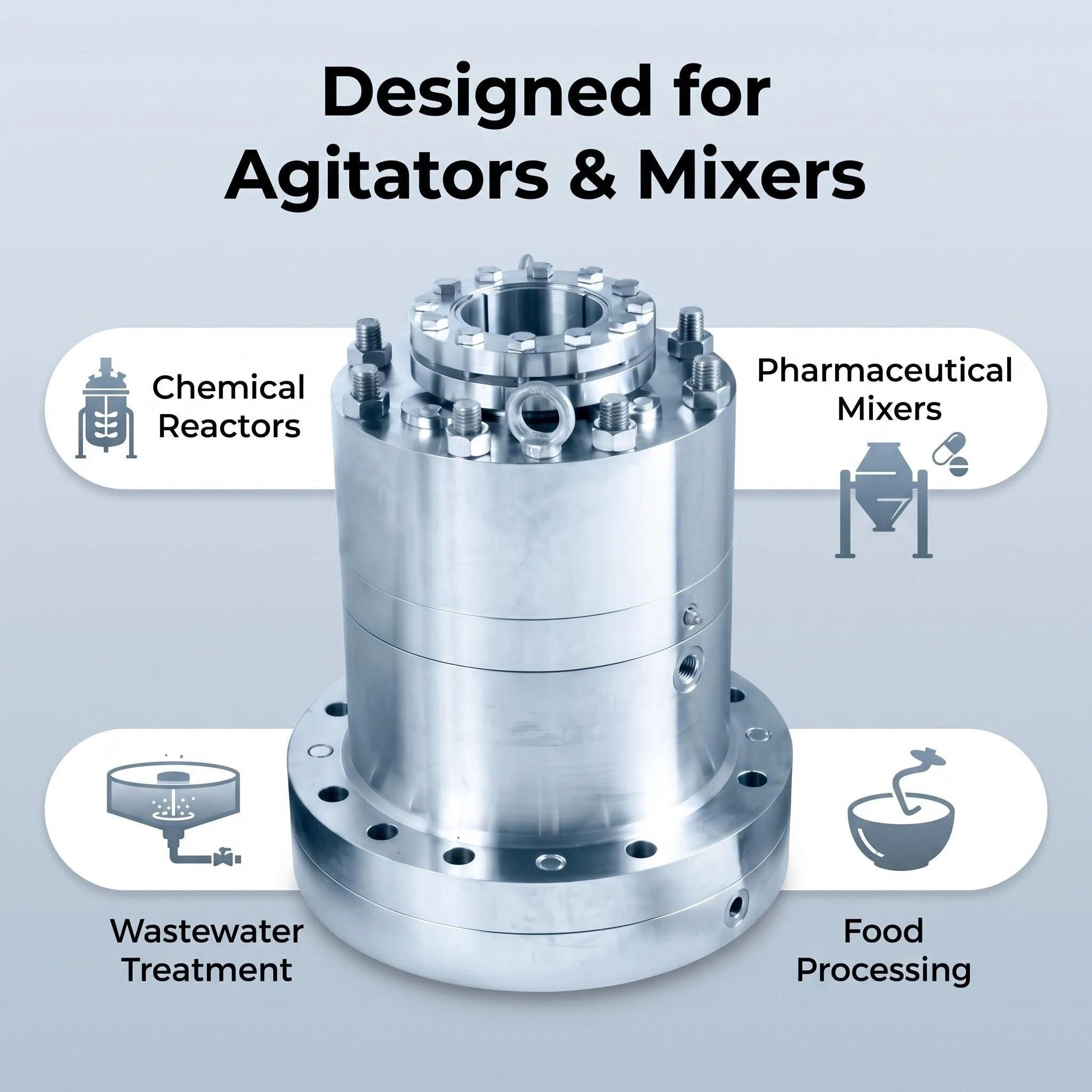
Understanding Pump Seal Selection for Different Industrial Needs
A pump seal is one of the most important components in a pumping system because it controls fluid leakage, protects equipment performance, and helps maintain stable operation. Although the pump seal is usually a small part of the complete pump structure, its design, material, and application suitability can significantly influence the reliability and service life of the entire system.
Why are different types of pump seals required for different applications? The reason is that pumps operate under various conditions, including different pressures, temperatures, speeds, fluid characteristics, and working environments. A pump seal used for clean water transportation may not perform well in a chemical processing system or a high-temperature industrial application.
Choosing the correct pump seal requires a clear understanding of the operating conditions. Engineers need to consider factors such as the type of fluid being handled, the pump structure, shaft speed, sealing requirements, maintenance expectations, and environmental conditions. Selecting an unsuitable pump seal may lead to leakage, excessive wear, higher maintenance costs, and unexpected equipment downtime.
Different pump seal designs have been developed to meet specific application requirements. Mechanical seals, cartridge seals, component seals, single seals, double seals, and specialized sealing solutions each provide different advantages. Understanding these differences helps users choose the right pump seal for their equipment.
A reliable pump seal does more than prevent leakage. It reduces friction, protects rotating components, improves operational stability, and extends equipment lifespan. For industries such as chemical processing, water treatment, food production, energy, and manufacturing, the correct pump seal selection is essential for maintaining continuous operation.
Our pump seal solutions are designed according to different industrial requirements. By evaluating application conditions, material compatibility, and performance expectations, we help customers select a pump seal that provides reliable sealing performance and long-term value.
Main Types of Pump Seals and Their Characteristics
Mechanical Pump Seal Solutions
A mechanical pump seal is one of the most widely used sealing solutions in industrial pumping systems. It is designed to prevent fluid leakage between rotating shafts and stationary pump components while allowing continuous shaft movement.
The main structure of a mechanical pump seal includes rotating sealing faces, stationary sealing faces, springs, secondary sealing elements, and supporting components. These parts work together to maintain controlled contact and create an effective sealing barrier.
The advantage of a mechanical pump seal is its ability to provide reliable sealing under continuous operation. Compared with traditional packing methods, a mechanical pump seal generally reduces leakage and minimizes the need for frequent adjustment.
Mechanical pump seal designs can be customized according to pressure, temperature, speed, and fluid conditions. Different sealing face materials and elastomer combinations allow the pump seal to handle various industrial environments.
This type of pump seal is commonly used in water pumps, chemical pumps, process equipment, and industrial circulation systems. Its versatility makes it suitable for many applications where reliable leakage control is required.
Selecting the correct mechanical pump seal requires attention to operating parameters. A pump seal designed for low-pressure water service may not be suitable for high-pressure or chemically aggressive applications.
Cartridge Pump Seal Designs
A cartridge pump seal is a pre-assembled sealing unit designed to simplify installation and improve reliability. Unlike traditional component seals that require individual assembly, the cartridge pump seal arrives as a complete package.
The main benefit of a cartridge pump seal is installation accuracy. Because the components are already positioned correctly, the risk of improper assembly is reduced during maintenance or replacement.
Cartridge pump seal designs are especially useful in industrial environments where equipment downtime needs to be minimized. Faster installation allows maintenance teams to restore pump operation more efficiently.
The integrated structure also helps protect sealing components before installation. This improves consistency and reduces damage caused by incorrect handling.
Cartridge pump seal solutions are commonly used in chemical processing, oil systems, industrial machinery, and large pumping equipment. These applications often require reliable performance and easier maintenance procedures.
A suitable cartridge pump seal should still be selected according to actual operating conditions. Pressure, temperature, fluid properties, and pump design remain important factors when choosing the correct sealing solution.
Component Pump Seal Structures
A component pump seal consists of individual sealing parts that are installed separately into the pump system. This design provides flexibility because users can select different components according to specific requirements.
The main advantage of a component pump seal is customization. Engineers can combine different materials, sealing faces, and secondary components to match unique operating environments.This type of pump seal is often preferred for applications where standard designs may not provide the required performance. Custom material combinations can improve resistance against corrosion, wear, and temperature changes.Component pump seal solutions can also provide cost advantages in certain applications because individual parts can be replaced instead of changing the complete assembly.
However, installation accuracy becomes more important because each component must be correctly positioned. Improper assembly may reduce the performance of the pump seal.Component pump seals are commonly used in general industrial equipment, repair applications, and systems requiring specific sealing configurations.
Pump Seal Designs Based on Sealing Requirements
Single Pump Seal Applications
A single pump seal uses one primary sealing interface to control fluid leakage. It is a common solution for many standard pumping applications where operating conditions are relatively stable.The structure of a single pump seal is simple compared with more complex sealing systems. This makes it easier to install, maintain, and replace.Single pump seal solutions are widely used in water supply systems, cooling systems, and general industrial equipment. These applications typically involve fluids with moderate pressure and temperature requirements.The main advantage of a single pump seal is its balance between performance and cost. It provides effective leakage control without unnecessary complexity.
However, the operating environment must be considered carefully. A single pump seal may not be suitable for highly toxic fluids, volatile chemicals, or applications requiring additional containment protection.Choosing a single pump seal requires evaluating fluid properties, equipment design, and expected operating conditions to ensure reliable performance.
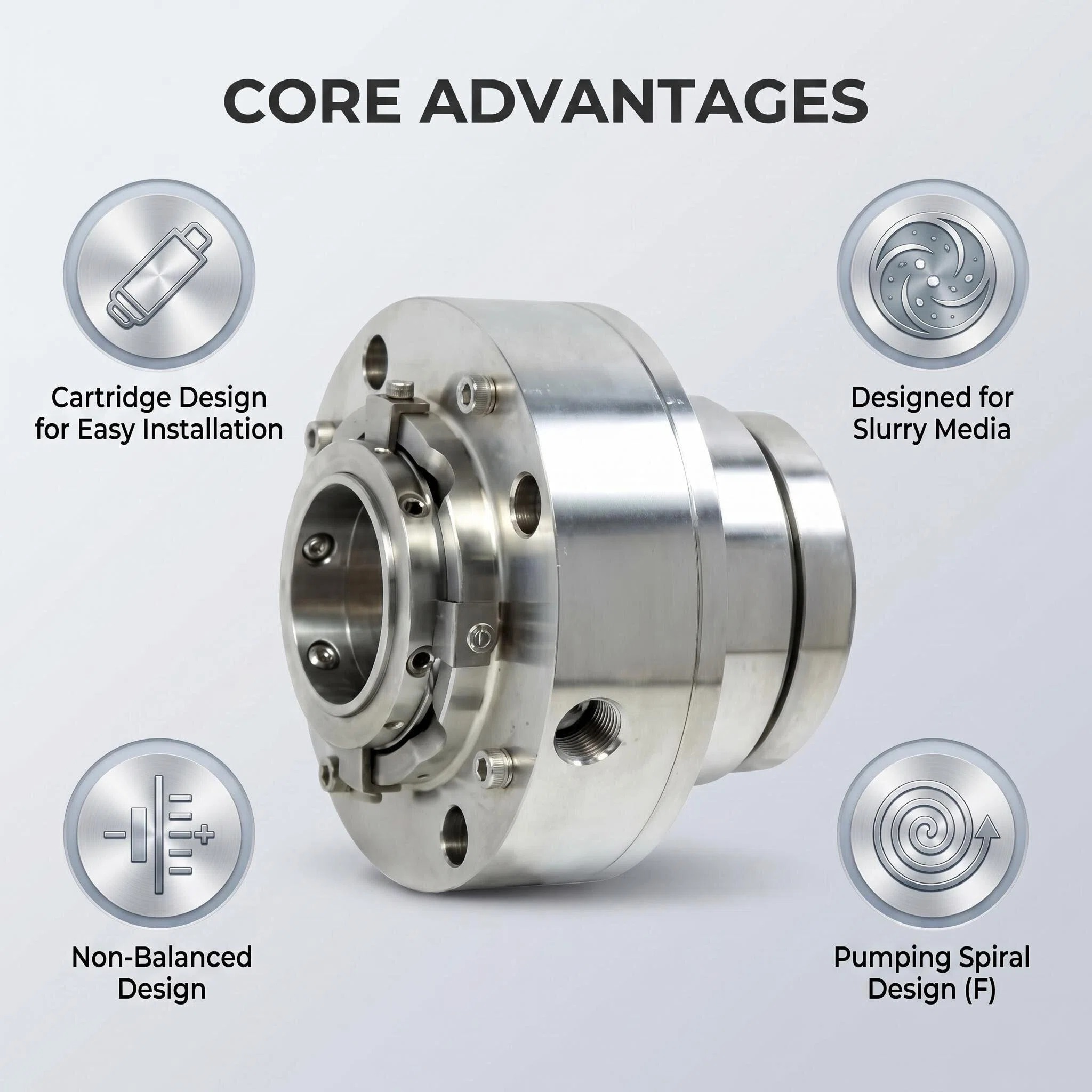
Double Pump Seal Systems
A double pump seal uses two sealing interfaces to provide additional protection and improved fluid containment. This design is often selected for demanding applications where leakage prevention is especially important. The space between the two sealing faces can be filled with a barrier or buffer fluid, which helps protect the pump seal and improve operational stability. Double pump seal systems are commonly used in chemical processing, pharmaceutical equipment, hazardous fluid handling, and applications requiring enhanced safety. The additional sealing structure provides advantages when handling aggressive, toxic, or environmentally sensitive fluids. Although a double pump seal offers higher protection, it also requires more complex installation and monitoring compared with a single design. The correct double pump seal selection depends on fluid characteristics, safety requirements, operating pressure, and maintenance capabilities.
Balanced and Unbalanced Pump Seal Designs
Balanced and unbalanced pump seal designs refer to how hydraulic pressure acts on the sealing faces. This difference affects performance, friction, and operating limits. A balanced pump seal reduces the hydraulic force applied to the sealing surfaces. This helps decrease friction and heat generation, especially in high-pressure applications. An unbalanced pump seal has a simpler structure and may be suitable for lower-pressure applications where operating conditions are less demanding.
Balanced pump seal solutions are often preferred for systems requiring improved reliability under higher pressure or more challenging conditions. The selection between balanced and unbalanced designs depends on pressure, speed, fluid properties, and expected service life. Understanding these differences helps engineers choose a pump seal that provides the appropriate balance between sealing force and operational efficiency.
Pump Seal Applications Across Different Industries
Pump Seal Solutions for Water Treatment Systems
Water treatment systems require reliable pumping equipment because continuous operation is essential for maintaining water flow and processing efficiency. A suitable pump seal helps prevent leakage, protect pump components, and maintain stable system performance. Water applications often involve long operating hours, so durability and low maintenance requirements are important considerations. The selected pump seal should provide good resistance against water exposure, pressure changes, and repeated operation. Common water treatment applications include filtration systems, circulation pumps, wastewater equipment, and water transfer systems. Choosing the correct pump seal helps improve equipment reliability and reduce maintenance interruptions in water management operations.
Pump Seal Applications in Chemical Processing
Chemical processing environments create more demanding requirements for pump seal performance. Fluids may be corrosive, reactive, toxic, or sensitive to contamination. A chemical pump seal must provide strong material compatibility and reliable sealing performance under challenging conditions. Material selection is especially important because chemical exposure can damage unsuitable sealing components. Double pump seal systems are often considered when additional containment protection is required. Temperature and pressure variations must also be considered because chemical processes may involve extreme operating conditions. The right pump seal helps chemical equipment operate safely while reducing leakage risks and maintenance requirements.
Pump Seal Requirements in Food and Pharmaceutical Equipment
Food and pharmaceutical industries require pump seal solutions that support cleanliness, reliability, and controlled processing conditions.
The pump seal materials should be suitable for contact environments and compatible with cleaning procedures.
Hygiene requirements influence the design and maintenance approach of the pump seal system.
Smooth surfaces, reliable sealing, and easy maintenance are important factors in these applications.
The pump seal must also maintain consistent performance during repeated production cycles.
Selecting the appropriate pump seal helps manufacturers maintain product quality and equipment reliability.
Factors Affecting Pump Seal Service Life
Material Compatibility and Wear Resistance
Material selection directly affects how long a pump seal can operate effectively. Different materials provide different levels of resistance against wear, heat, and chemical exposure.
A pump seal working with abrasive fluids requires stronger wear resistance compared with one handling clean liquids.
Chemical compatibility is equally important because unsuitable materials may degrade over time.
The combination of sealing faces and elastomers determines the overall performance of the pump seal.
Choosing suitable materials helps reduce replacement frequency and improve operational reliability.
A properly selected pump seal material provides better performance under actual working conditions.
Installation Accuracy and Maintenance Practices
Even a high-quality pump seal may fail if installation procedures are incorrect. Proper alignment, cleanliness, and component positioning are essential.
Incorrect installation can create uneven contact pressure and accelerate wear.
Maintenance practices also influence pump seal lifespan. Regular inspection helps identify early problems before complete failure occurs.
Operators should monitor leakage, vibration, temperature, and operating changes.
Preventive maintenance can significantly improve the reliability of the pump seal system.
Correct installation combined with proper maintenance allows the pump seal to achieve its expected service life.
Operating Environment and Working Conditions
The working environment has a direct impact on pump seal performance. Temperature, pressure, vibration, and fluid conditions all influence sealing reliability.
A pump seal used outside its designed operating range may experience accelerated degradation.
Frequent startup and shutdown cycles can also increase stress on sealing components.
Environmental factors such as contamination and external exposure should be considered during selection.
Understanding the complete operating environment helps engineers choose a suitable pump seal.
Proper matching between application conditions and pump seal design improves long-term reliability.
Selecting the Right Pump Seal Supplier
Technical Support and Product Knowledge
A professional supplier should provide technical assistance throughout the pump seal selection process.
Understanding application requirements is essential because every pumping system has different operating challenges.
A knowledgeable supplier can recommend suitable materials, structures, and designs based on actual conditions.
Technical communication helps prevent incorrect pump seal selection.
Product information, installation guidance, and application support improve customer confidence.
Our team provides pump seal solutions based on practical engineering requirements and customer applications.
Manufacturing Quality and Reliability Control
Manufacturing quality directly affects pump seal performance and service life.
Precision processing, material inspection, assembly control, and final testing help ensure consistent quality.
A reliable manufacturing process reduces variation between different pump seal products.
Quality control helps maintain stable sealing performance across different applications.
Customers should evaluate supplier capability based on production experience and quality management.
Our manufacturing process focuses on producing dependable pump seal products with consistent performance.
Customized Pump Seal Solutions
Different applications may require customized pump seal designs.
Customization allows adjustments in materials, dimensions, and structures to meet specific equipment requirements.
A customized pump seal can improve compatibility and provide better performance in demanding environments.
Technical cooperation between customers and manufacturers helps develop suitable solutions.
Customized designs are especially valuable for special operating conditions.
Our team provides flexible pump seal customization services to support different industrial applications.
FAQ
Common Types of Pump Seals
The most common pump seal types include mechanical pump seals, cartridge pump seals, component pump seals, single pump seals, and double pump seals.
Each pump seal type has different advantages depending on operating pressure, temperature, fluid properties, and equipment requirements.
Mechanical pump seals are widely used because of their versatility and reliable sealing performance.
Cartridge pump seals provide easier installation and improved maintenance efficiency.
The correct pump seal type should always be selected according to the specific application.
Professional evaluation helps determine the most suitable pump seal solution.
Choosing Between Single and Double Pump Seals
A single pump seal is suitable for many standard applications with moderate operating requirements.
A double pump seal provides additional protection and is often used for hazardous or demanding fluids.
The choice depends on safety requirements, fluid characteristics, pressure conditions, and maintenance expectations.
A double pump seal offers stronger containment but requires more complex installation.
A single pump seal provides a simpler and more economical solution for suitable applications.
Understanding operating conditions is essential before selecting the correct pump seal design.
Signs of Pump Seal Problems
Common signs of pump seal issues include leakage, unusual vibration, increased temperature, and reduced pump efficiency.
Visible fluid leakage often indicates that the pump seal is no longer maintaining proper sealing performance.
Abnormal operating conditions may also suggest wear or damage inside the sealing system.
Regular inspection helps detect pump seal problems before they cause larger equipment failures.
Timely replacement improves system reliability and reduces downtime.
Monitoring pump seal performance is an important part of preventive maintenance.
Benefits of Customized Pump Seal Solutions
A customized pump seal can better match unique equipment and operating conditions.
Different industries may require specific materials, dimensions, or sealing structures.
Customization improves compatibility and helps reduce premature failure risks.
A properly designed pump seal provides better reliability than a general solution in demanding applications.
Technical cooperation ensures that the pump seal meets actual customer requirements.
Customized pump seal solutions support stable operation across various industrial environments.