
 EN
EN
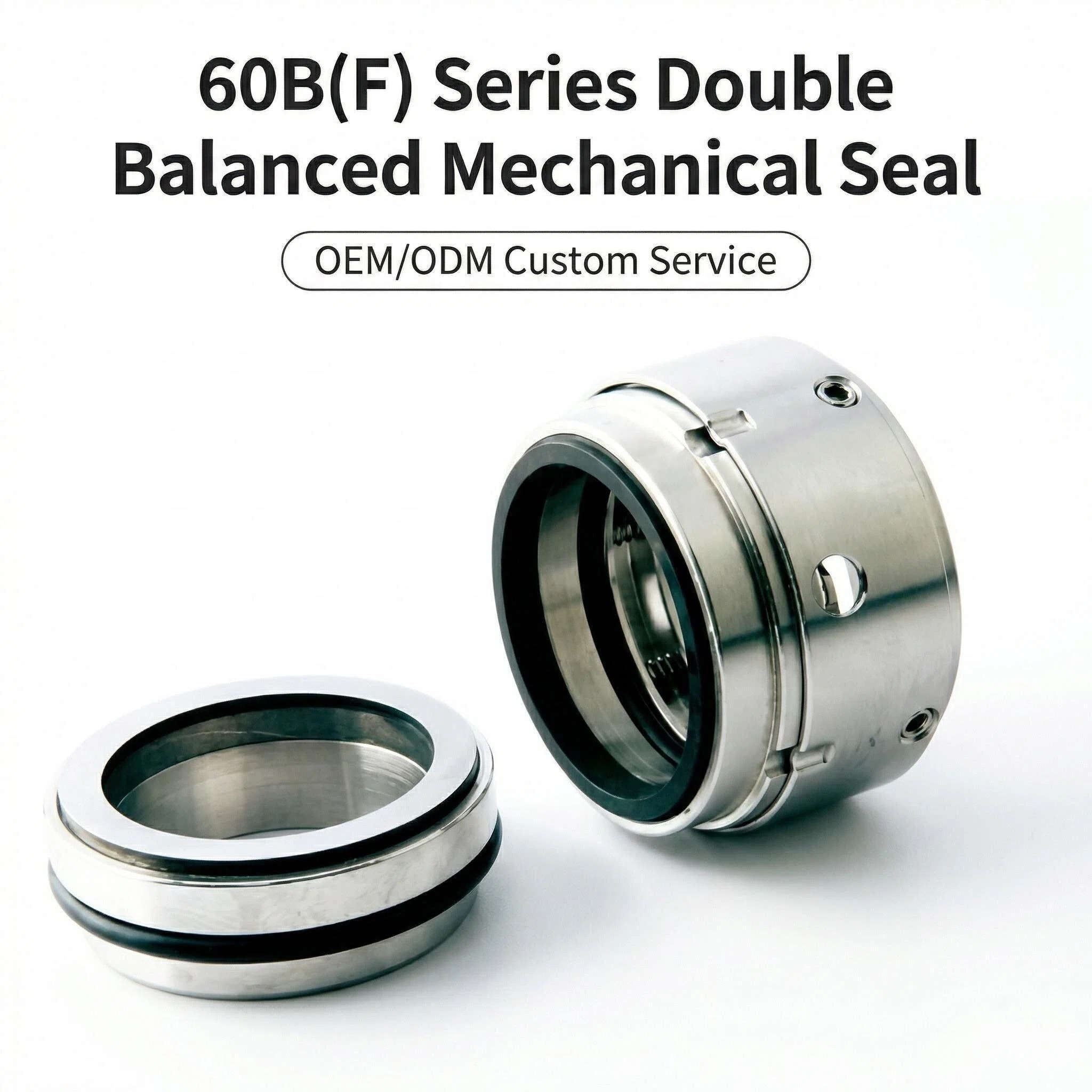
Building a Reliable Sealing Foundation for Pump Systems
Selecting the right pump seal is one of the most important decisions when designing, maintaining, or upgrading a pumping system. Although the pump seal is a relatively small component compared with the complete pump assembly, its performance directly affects leakage control, equipment reliability, maintenance frequency, and overall operating efficiency.
Why does choosing the correct pump seal matter so much? A pump operates under continuous mechanical movement, pressure differences, temperature changes, and contact with different fluids. The pump seal must maintain a stable barrier between rotating and stationary components while minimizing friction and wear. If the pump seal does not match the application conditions, problems such as leakage, overheating, vibration, and unexpected downtime may occur.
Many users select a pump seal based only on size or price, but this approach can create long-term issues. A pump seal that fits physically may not provide suitable performance under actual operating conditions. Factors such as fluid characteristics, pressure, speed, temperature, material compatibility, and equipment design all influence whether a pump seal can operate effectively.
Different industries require different sealing solutions. A pump seal used in water treatment equipment may face completely different challenges from a pump seal used in chemical processing, food production, energy systems, or industrial manufacturing. Understanding the application before selection helps ensure better performance and longer service life.
The right pump seal provides more than leakage prevention. It helps protect the pump shaft, bearings, motor components, and surrounding equipment. By maintaining stable sealing performance, a suitable pump seal reduces maintenance requirements and supports continuous operation.
Our pump seal solutions are designed according to real application conditions. Through material selection, structural optimization, and manufacturing control, we help customers choose a pump seal that matches their equipment requirements and delivers reliable long-term performance.
Understanding Your Pump Operating Conditions
Evaluating Pressure and Temperature Requirements
Pressure and temperature are two of the most important factors when selecting a pump seal. Every pump system operates within a specific pressure range, and the pump seal must maintain contact and sealing performance under these conditions.
High-pressure applications create greater forces across the sealing surfaces. A pump seal used in such environments requires suitable structural strength and balanced design to prevent excessive wear or leakage.
Temperature also affects the performance of the pump seal. High temperatures may reduce material strength, change elastomer properties, or accelerate degradation. Low temperatures can also influence flexibility and sealing ability.
The operating temperature should include not only the normal working condition but also possible temperature fluctuations during startup, shutdown, cleaning, or process changes. A pump seal selected only for average conditions may fail when exposed to unexpected variations.
Pressure and temperature are often connected. A fluid that is harmless at low pressure may create different challenges at elevated temperatures or pressures. Therefore, the pump seal selection process should consider both factors together.
Our technical team evaluates pressure and temperature requirements before recommending a pump seal. This ensures that the selected solution can maintain reliable sealing performance throughout the expected operating range.
Considering Fluid Characteristics and Compatibility
The fluid handled by the pump has a major influence on pump seal selection. Different liquids create different chemical, mechanical, and thermal challenges for sealing materials.
Clean water applications usually require a different pump seal compared with systems handling chemicals, solvents, oils, slurry, or corrosive fluids. The wrong material combination may cause swelling, cracking, corrosion, or accelerated wear.
Chemical compatibility is especially important because the fluid continuously contacts the pump seal components. Materials that perform well in one environment may deteriorate quickly in another.
Particles and abrasive substances can also affect pump seal life. Suspended solids may damage sealing surfaces and create leakage paths if the pump seal is not designed for such conditions.
Viscosity is another factor that should be considered. Thick fluids can influence lubrication conditions, friction levels, and the movement of sealing components.
Our pump seal solutions are developed according to actual fluid conditions. By matching materials and structures with the application environment, we help customers achieve more reliable sealing performance.
Reviewing Pump Speed and Mechanical Movement
Rotational speed directly affects how the pump seal operates. Higher shaft speeds increase friction, heat generation, and mechanical stress on sealing surfaces.
A pump seal designed for low-speed operation may not perform effectively in high-speed applications. Excessive movement can accelerate wear and reduce sealing stability.
Shaft movement and vibration should also be considered. Pumps may experience alignment changes, mechanical vibration, or small amounts of shaft movement during operation.
A reliable pump seal must accommodate normal operating movement while maintaining proper contact between sealing surfaces.
The relationship between speed and lubrication is also important. A pump seal requires an appropriate balance between sealing force and surface protection to avoid excessive friction.
Our manufacturing process considers mechanical operating conditions to provide a pump seal that supports stable operation under different rotational speeds and equipment conditions.
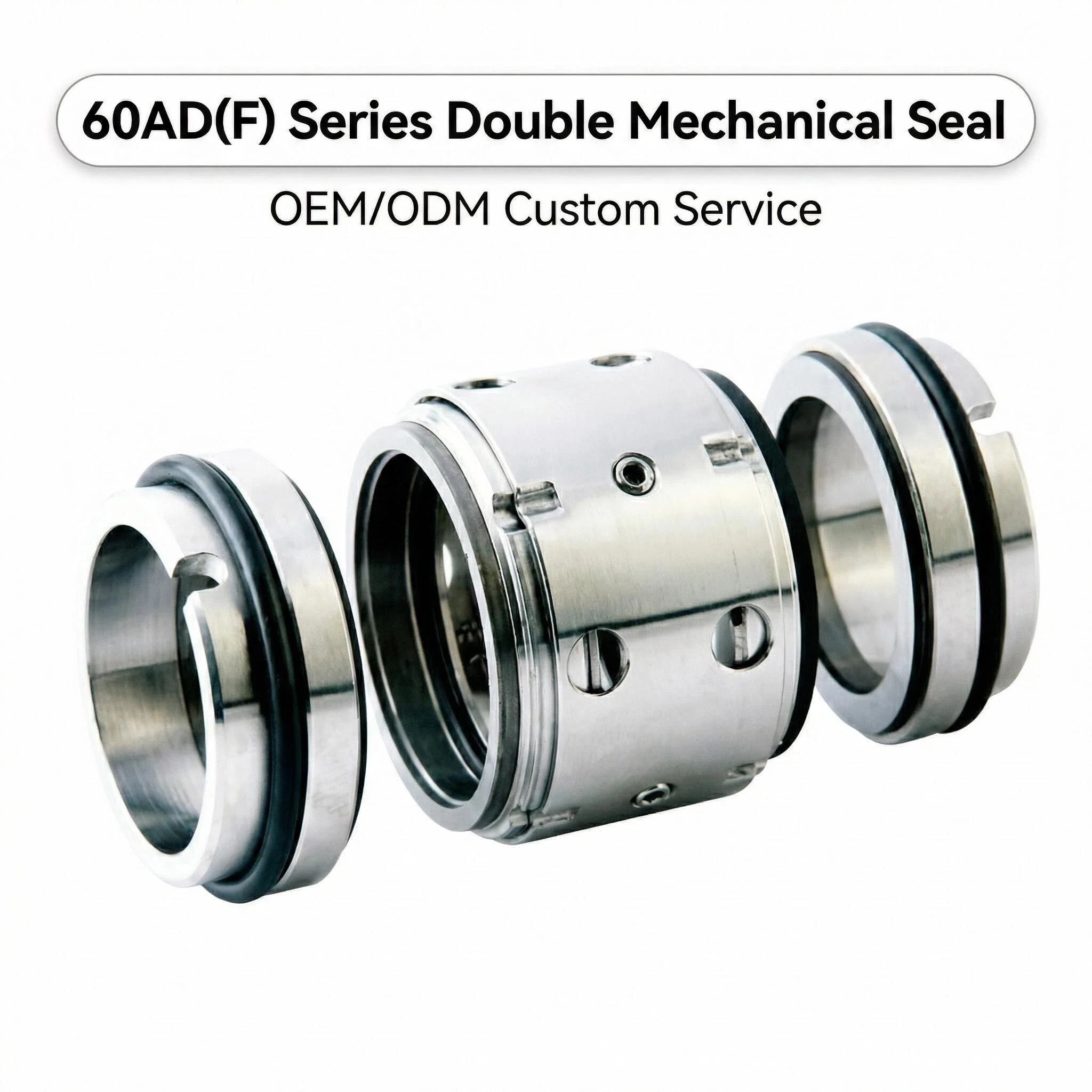
Choosing the Right Pump Seal Material
Understanding Common Sealing Materials
Material selection determines how well a pump seal performs in different environments. Each material provides specific advantages related to wear resistance, temperature capability, corrosion resistance, and mechanical strength.
Carbon materials are commonly used in sealing surfaces because they provide good friction characteristics and stable operation. They are often combined with harder materials to create balanced sealing performance.
Ceramic materials offer strong wear resistance and chemical stability. A ceramic component can help the pump seal maintain performance in demanding applications.
Metal components provide structural strength and durability. Stainless steel and other alloys may be selected when corrosion resistance and mechanical reliability are required.
Elastomers are important because they provide flexibility and sealing contact. Different elastomer materials have different resistance to temperature, chemicals, and fluid exposure.
The best pump seal material is not always the most expensive option. It should be selected according to the actual application requirements, operating environment, and expected service life.
Our team helps customers evaluate material combinations and select a pump seal that provides the right balance between performance and cost.
Matching Materials with Application Environments
Different industries place different demands on a pump seal. The material combination must match the specific environment where the pump operates.
For water systems, the pump seal may require strong resistance against continuous operation and moisture exposure. For chemical applications, chemical resistance becomes a higher priority.
Food and pharmaceutical industries often require materials that meet hygiene and cleanliness requirements. The pump seal should support safe operation while maintaining reliable sealing performance.
High-temperature applications require careful consideration because heat can change material properties over time. The pump seal must maintain stability even under prolonged thermal stress.
Abrasive applications require additional attention because particles can damage sealing surfaces. A suitable pump seal should provide better resistance against mechanical wear.
By understanding the operating environment, customers can select a pump seal material combination that improves reliability and reduces replacement frequency.
Balancing Performance and Cost
Cost is an important factor when selecting a pump seal, but the lowest purchase price does not always provide the lowest operating cost.
A cheaper pump seal may require more frequent replacement, create additional maintenance work, or increase downtime. These indirect costs can exceed the initial savings.
A higher-quality pump seal designed for the correct application can provide longer service intervals and more stable performance.
The ideal choice balances material quality, operating requirements, maintenance expectations, and total ownership cost.
Customers should evaluate the complete lifecycle value of the pump seal rather than only comparing initial prices.
Our pump seal solutions focus on providing reliable performance while helping customers achieve reasonable long-term operating costs.
Selecting the Appropriate Pump Seal Design
Mechanical Structure and Sealing Performance
The design structure of a pump seal determines how effectively it controls leakage and handles mechanical movement.
A well-designed pump seal maintains stable contact between sealing surfaces while minimizing unnecessary friction. This balance is essential for long service life.
Spring systems, rotating components, stationary components, and sealing faces must work together accurately. Small design differences can significantly affect performance.
The pump seal should also accommodate normal operating changes, including pressure fluctuations, temperature changes, and minor shaft movement.
A suitable design improves reliability because it allows the pump seal to maintain performance under realistic conditions rather than only ideal laboratory conditions.
Our engineering approach considers the complete operating environment when developing pump seal solutions.
Single and Customized Pump Seal Solutions
Standard pump seal products can meet many common applications, but some systems require customized solutions.
A customized pump seal may be needed when equipment dimensions, operating conditions, or fluid characteristics differ from standard requirements.
Customization allows engineers to adjust materials, dimensions, sealing structures, and performance characteristics.
For specialized industrial equipment, a customized pump seal can improve compatibility and reduce the risk of premature failure.
Before customization, detailed application information should be reviewed, including pump model, operating parameters, fluid conditions, and installation requirements.
Our team provides customized pump seal solutions based on customer specifications and application challenges.
Installation Requirements and Equipment Compatibility
Even the best pump seal cannot perform properly if it is incompatible with the equipment or installed incorrectly.
The pump seal must match shaft dimensions, housing structure, installation space, and operating direction.
Incorrect installation can create uneven pressure, damaged sealing surfaces, or improper alignment.
Clean installation conditions are also important because particles or contamination can damage the pump seal during startup.
Operators should follow recommended installation procedures and inspect related components before fitting a new pump seal.
Our support includes guidance on pump seal selection and installation considerations to help customers achieve reliable operation.
Improving Pump Reliability Through Proper Pump Seal Selection
Reducing Leakage and Maintenance Problems
The primary purpose of a pump seal is to control leakage, but its benefits extend beyond simple fluid containment.
A reliable pump seal reduces the possibility of fluid loss and protects surrounding equipment from contamination or damage.
Leakage problems often increase maintenance requirements and may interrupt production processes.
By selecting the correct pump seal, operators can reduce unexpected repairs and improve equipment availability.
A suitable pump seal also helps maintain cleaner working environments and improves operational safety.
Our pump seal products are designed to support stable operation and reduce common maintenance challenges.
Increasing Equipment Efficiency
A properly functioning pump seal helps maintain pump efficiency by reducing unnecessary losses.
Poor sealing performance can increase energy consumption and reduce system effectiveness over time.
A reliable pump seal maintains stable operation and prevents small problems from developing into larger equipment issues.
The performance of the pump seal contributes to the overall efficiency of the pumping system.
Selecting the correct pump seal during the design stage helps improve long-term equipment performance.
Our solutions focus on providing pump seal reliability that supports efficient industrial operation.
Supporting Different Industrial Applications
Pump systems are used across many industries, and each application creates unique sealing requirements.
Water treatment, chemical processing, food production, energy, and manufacturing systems all require suitable pump seal solutions.
A pump seal for one industry may not be suitable for another because operating conditions differ significantly.
Understanding these differences helps customers choose the correct sealing technology.
Application-specific pump seal selection improves reliability and reduces unnecessary replacement.
Our product range supports different industries by providing flexible pump seal solutions for various operating environments.
Evaluating a Professional Pump Seal Supplier
Technical Expertise and Application Support
A reliable supplier should provide technical support instead of only selling products.
The supplier should understand how pressure, temperature, fluid characteristics, and equipment conditions influence pump seal performance.
Professional recommendations help customers avoid incorrect selection and reduce future problems.
Technical communication before purchase can improve the accuracy of the pump seal choice.
A supplier with application knowledge can provide better solutions for complex operating conditions.
Our team works closely with customers to identify suitable pump seal options based on actual requirements.
Manufacturing Quality and Product Consistency
Manufacturing quality directly affects pump seal reliability.
Precision machining, material control, assembly accuracy, and inspection processes all influence final pump seal performance.
A consistent manufacturing process ensures that each pump seal meets the expected specifications.
Quality inspection helps identify potential issues before products are delivered.
Reliable production capability supports stable performance during long-term operation.
Our manufacturing system focuses on accuracy and consistency to provide dependable pump seal products.
Long-Term Service and Cooperation
Selecting a pump seal supplier is not only about one purchase. Long-term cooperation can provide additional value through technical communication and continuous support.
As equipment conditions change, customers may need updated pump seal recommendations.
A responsive supplier can help solve application challenges and improve future selections.
Reliable service includes product consultation, specification confirmation, quality communication, and technical assistance.
Long-term cooperation helps suppliers better understand customer requirements.
Our goal is to provide continuous pump seal support and build lasting partnerships with customers.
FAQ
Key Factors for Selecting a Pump Seal
The most important factors include pressure, temperature, fluid characteristics, speed, equipment design, and required service life.
A suitable pump seal should match the actual operating environment rather than only the pump size.
Material compatibility is essential because different fluids can affect sealing components differently.
Installation conditions and maintenance requirements should also be considered.
Choosing the correct pump seal helps reduce leakage, wear, and unexpected downtime.
Professional evaluation can help identify the most suitable pump seal solution.
Signs That a Pump Seal Needs Replacement
Common signs include visible leakage, abnormal noise, vibration, increased temperature, and reduced pump performance.
A damaged pump seal may allow fluid to escape and affect nearby components.
Early detection helps prevent larger equipment problems.
Regular inspection allows operators to replace the pump seal before serious failure occurs.
Maintenance records can help predict replacement intervals.
Replacing a worn pump seal at the right time improves equipment reliability.
Methods to Extend Pump Seal Service Life
Proper installation is one of the most effective ways to improve pump seal lifespan.
Using compatible fluids and suitable materials reduces chemical and mechanical damage.
Maintaining correct operating conditions helps prevent excessive stress.
Regular inspection and preventive maintenance support stable pump seal performance.
Clean assembly and proper alignment are also important.
Selecting a high-quality pump seal designed for the application provides better long-term reliability.
Advantages of Customized Pump Seal Solutions
A customized pump seal can better match specific equipment requirements.
Different applications may require different materials, dimensions, or sealing structures.
Customization improves compatibility and can reduce failure risks.
A suitable pump seal design provides better performance than a general solution in demanding environments.
Technical cooperation between customers and manufacturers improves solution accuracy.
Customized pump seal products support reliable operation across various industrial applications.