
 EN
EN
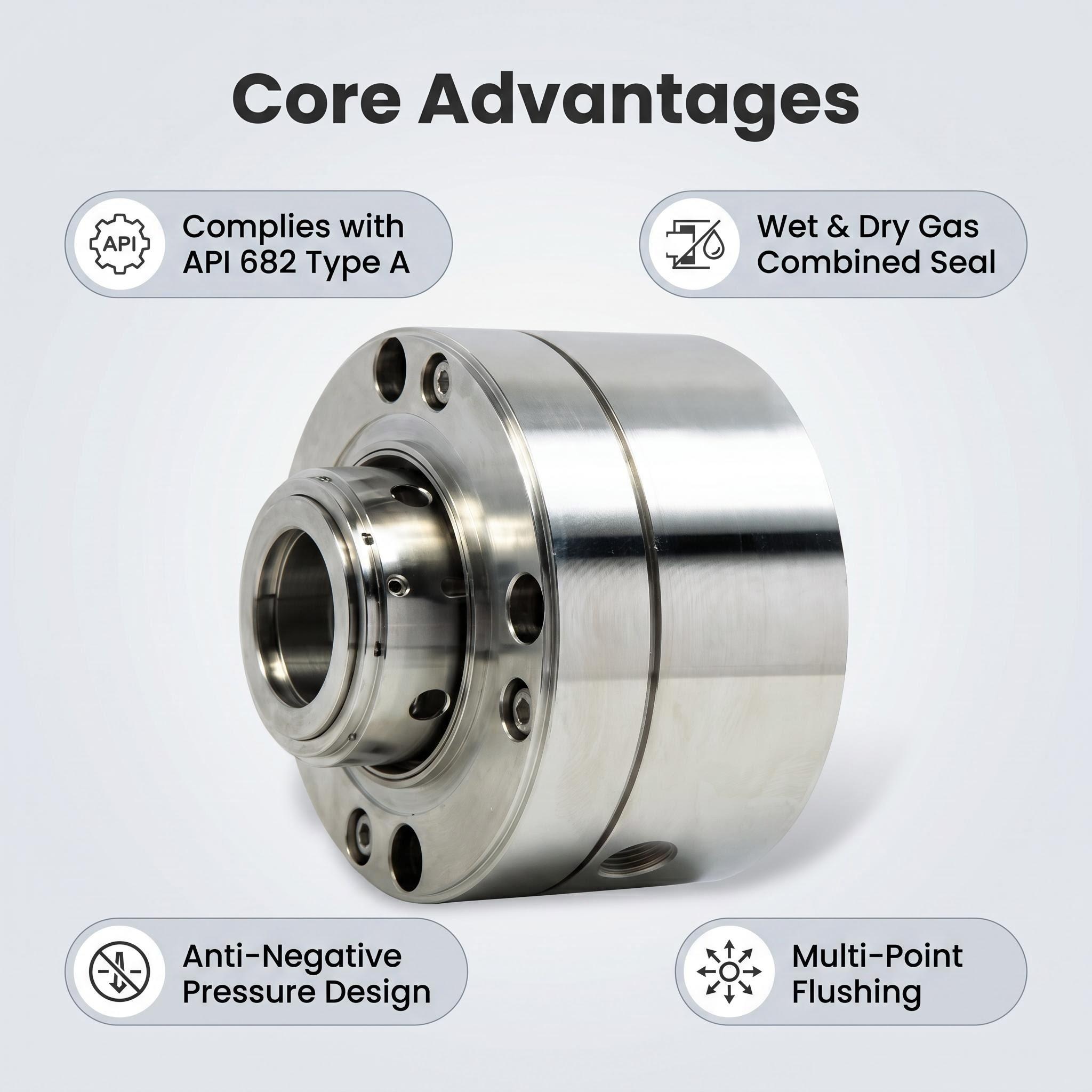
The Foundation of Stable Pump Performance
A pump system depends on many components working together, but the pump seal is one of the most important elements affecting reliability, efficiency, and service life. Although it is often a small part of the overall equipment structure, the pump seal directly influences whether a pump can maintain proper pressure, prevent leakage, reduce contamination risks, and operate continuously under demanding conditions.
Why can a small sealing component create such a significant impact on an entire pumping system? The answer lies in its position and function. A pump seal controls the interface between rotating and stationary components, where pressure differences, friction, temperature changes, and fluid characteristics create constant challenges. If the pump seal cannot maintain stable performance, the entire system may experience leakage, energy loss, unexpected maintenance, or even equipment shutdown.Selecting the correct pump seal requires more than choosing a standard size. Engineers need to consider the pump type, operating speed, pressure level, temperature range, fluid properties, installation conditions, and expected service life. A pump seal designed for one application may not perform effectively in another environment.
The reliability of industrial equipment often depends on preventing small problems before they become major failures. A properly selected pump seal helps protect mechanical components, maintain fluid control, and reduce the frequency of replacement. For industries such as chemical processing, water treatment, food production, energy systems, and manufacturing, the performance of a pump seal directly affects operational stability.Material selection is another important factor. Different fluids and operating environments require different sealing materials to resist wear, corrosion, chemical reactions, and thermal stress. A high-quality pump seal combines suitable materials with accurate manufacturing and proper installation methods.
Our pump seal solutions are developed according to practical application requirements. By considering equipment conditions, fluid characteristics, and performance expectations, we help customers select a pump seal that provides reliable sealing performance and supports long-term pump operation.
Understanding the Role of a Pump Seal in Equipment Reliability
Preventing Leakage and Protecting System Safety
The primary function of a pump seal is to prevent unwanted fluid leakage from the pump chamber or rotating shaft area. Without an effective pump seal, fluid can escape through small gaps caused by movement between components, creating efficiency problems and safety concerns.A reliable pump seal maintains a controlled barrier between the internal fluid and the external environment. This is especially important when pumps handle valuable liquids, hazardous chemicals, high-temperature fluids, or sensitive materials that must remain contained.Leakage may appear as a minor issue at the beginning, but continuous leakage can gradually damage nearby components. Fluid accumulation may affect bearings, motors, electrical systems, and surrounding structures, increasing maintenance requirements and operational costs.
The pump seal must also adapt to pressure changes inside the system. During startup, shutdown, or changing operating conditions, the pressure balance around the sealing area may vary significantly. A suitable pump seal design helps maintain stability during these transitions.Different applications require different levels of sealing performance. A pump used in a clean water system may have different requirements from a pump handling abrasive slurry or corrosive chemicals. Choosing the correct pump seal according to the application helps prevent premature failure.Our manufacturing process focuses on maintaining consistent pump seal quality through material control, dimensional accuracy, and performance considerations. This allows the pump seal to provide dependable protection in various industrial environments.
Reducing Wear and Extending Equipment Life
Friction and mechanical movement are unavoidable in pump operation. Every rotating shaft creates continuous interaction between components, making wear resistance a key factor in pump seal performance.An unsuitable pump seal may experience excessive friction, leading to increased heat generation and faster degradation. Over time, this can reduce sealing effectiveness and create the need for frequent replacement.A properly designed pump seal balances sealing force and movement flexibility. The seal must maintain contact where necessary while minimizing unnecessary resistance that could increase energy consumption.
Material choice directly affects wear performance. Carbon, ceramic, stainless steel, elastomers, and other materials each provide different advantages depending on operating conditions. The selected pump seal material should match the fluid characteristics and mechanical requirements.Regular maintenance can improve the service life of a pump seal, but the initial design decision remains critical. A suitable pump seal reduces stress on related components and supports more stable equipment operation.By providing application-focused pump seal solutions, we help customers reduce downtime and improve the overall reliability of their pumping systems.
Maintaining Efficiency During Continuous Operation
Industrial pumps often operate for long periods without interruption. Under continuous working conditions, the pump seal must maintain stable performance despite pressure, temperature, and mechanical movement.A poor-quality pump seal can increase internal leakage, causing the pump to lose efficiency. Even small losses can accumulate over thousands of operating hours, affecting energy consumption and production performance.The pump seal also influences the consistency of fluid handling. When sealing performance changes, flow characteristics, pressure stability, and equipment response may be affected.
A reliable pump seal supports predictable operation by maintaining a stable sealing interface. This helps operators reduce unexpected adjustments and focus on maintaining production efficiency.For high-demand applications, choosing a pump seal based only on initial cost may create higher expenses later. A more durable pump seal can provide better value through longer service intervals and reduced maintenance needs.Our pump seal products are designed with reliability as a priority, helping customers maintain efficient and stable pumping performance.
Factors That Influence Pump Seal Selection
Operating Conditions and Application Requirements
Selecting the right pump seal begins with understanding the actual working environment. Pump speed, pressure, temperature, fluid type, and operating frequency all influence the required sealing performance.A pump seal used in high-pressure equipment needs different structural characteristics compared with one used in low-pressure applications. Pressure conditions affect contact force, leakage control, and overall seal stability.
Temperature is another critical factor. High-temperature fluids can affect elastomers and sealing materials, while extremely low temperatures may change flexibility and mechanical behavior.The characteristics of the pumped fluid must also be considered. Fluids containing particles, chemicals, or aggressive substances can accelerate wear and reduce the lifespan of an unsuitable pump seal.Operating cycles matter as well. A pump that starts and stops frequently may create different stresses compared with a pump running continuously under stable conditions.
By evaluating these factors before selection, customers can identify a pump seal that matches their equipment requirements instead of choosing a general solution that may not perform effectively.
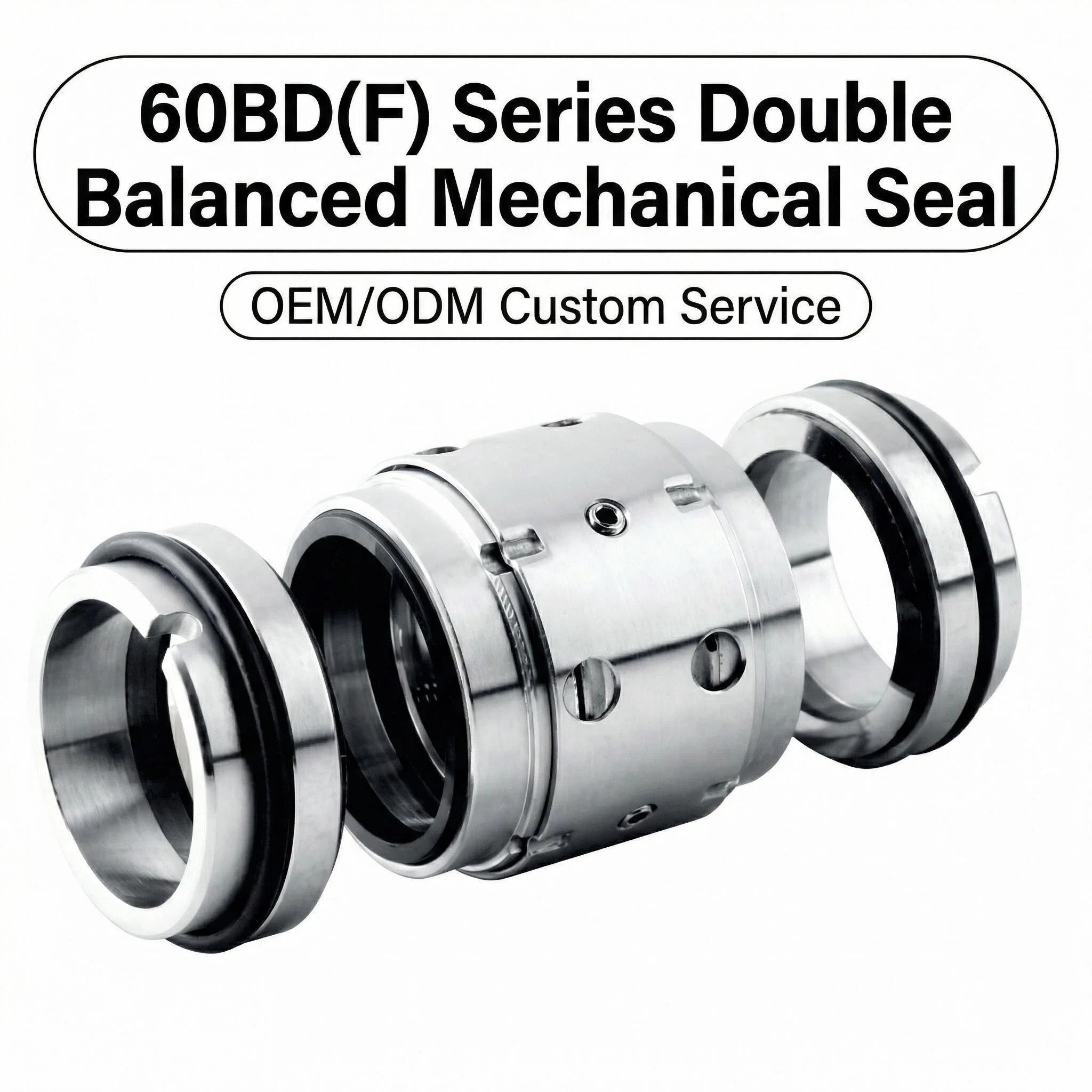
Material Compatibility and Durability
The material of a pump seal determines how well it performs under specific operating conditions. Different materials provide different resistance against heat, corrosion, pressure, and mechanical wear.Elastomer components in a pump seal must maintain flexibility while resisting chemical interaction with the pumped fluid. If the material is incompatible, swelling, cracking, or loss of elasticity may occur.Hard sealing surfaces require careful material selection because they experience continuous contact during operation. A balanced combination of materials helps reduce friction while maintaining reliable sealing.
Corrosive environments require special attention. A pump seal exposed to aggressive chemicals needs materials that can withstand long-term contact without degradation.A durable pump seal is not necessarily the one with the hardest material. The best choice depends on balancing wear resistance, flexibility, compatibility, and operating conditions.Our team helps customers evaluate material options according to their specific applications, ensuring that each pump seal provides suitable durability and performance.
Design Structure and Manufacturing Accuracy
The structure of a pump seal directly affects its ability to maintain consistent contact and prevent leakage. Small dimensional differences can influence installation, alignment, and operating stability.Precision manufacturing is essential because the pump seal operates within a highly controlled mechanical environment. Accurate dimensions help ensure proper fitting between rotating and stationary components.A well-designed pump seal should accommodate minor operating variations while maintaining effective sealing. This requires careful consideration of spring force, surface contact, pressure balance, and component interaction.
Manufacturing quality also influences long-term reliability. Inconsistent production may cause differences between individual pump seals, leading to unpredictable performance.Quality inspection during production helps identify dimensional errors, material problems, and assembly issues before the pump seal reaches the customer.Our production process emphasizes accuracy and consistency, allowing each pump seal to meet the expected requirements for industrial applications.
Common Causes of Pump Seal Failure
Improper Installation and Alignment Problems
Even a high-quality pump seal may fail if it is installed incorrectly. Installation accuracy directly affects how the sealing surfaces contact and operate.Incorrect alignment can create uneven pressure distribution across the pump seal. Some areas may experience excessive wear while others fail to maintain proper contact.Installation mistakes may include incorrect positioning, contamination during assembly, damaged components, or improper tightening. These issues can reduce the effectiveness of the pump seal.
Clean installation conditions are especially important because small particles between sealing surfaces can cause scratches, leakage paths, and premature damage.Following proper installation procedures helps the pump seal achieve its designed performance. Operators should carefully check equipment alignment, component condition, and installation instructions.Providing a reliable pump seal is only part of the solution. Proper installation knowledge is equally important for achieving long-term equipment reliability.
Poor Operating Conditions and Maintenance Issues
Operating conditions outside the designed range can significantly shorten pump seal life. Excessive pressure, temperature, vibration, or chemical exposure may accelerate failure.
Insufficient lubrication or improper fluid conditions can increase friction between sealing surfaces. This creates heat buildup and damages the pump seal over time.
Maintenance schedules also influence performance. Regular inspection can identify early signs of wear before the pump seal completely fails.
Ignoring small leakage, unusual vibration, or temperature changes may allow minor issues to develop into larger equipment problems.
A maintenance plan should consider the expected service life of the pump seal and the operating environment. Preventive replacement may reduce unexpected downtime.
Our pump seal solutions are designed to support reliable operation, but proper maintenance remains essential for achieving maximum service life.
Selecting an Unsuitable Pump Seal Type
Choosing a pump seal based only on dimensions can lead to performance problems. The correct pump seal must match the application conditions, not just the physical size.
Different pumps require different sealing approaches. A pump seal suitable for clean water may not perform well in abrasive, high-temperature, or chemically aggressive environments.
Cost-focused selection without considering long-term performance may increase total operating expenses. Frequent replacement, leakage, and downtime can exceed the initial savings.
Understanding the application before purchase helps avoid these problems. Engineers should evaluate fluid properties, operating parameters, and equipment requirements.
A properly selected pump seal improves reliability because it is designed for the actual challenges of the system.
Our technical support helps customers identify suitable pump seal options based on real operating conditions rather than simple product matching.
Improving Pump System Performance with the Right Pump Seal
Enhancing Equipment Reliability
A properly selected pump seal contributes directly to equipment reliability. By preventing leakage and reducing wear, the pump seal protects the pump system and surrounding components.
Reliable sealing allows pumps to operate with fewer interruptions. This is especially valuable in industries where unexpected shutdowns can affect production schedules and operating costs.
The pump seal also helps maintain stable equipment performance by controlling fluid movement and reducing unnecessary losses.
Choosing the correct pump seal during the design stage can prevent many future maintenance problems. Engineers can achieve better results by considering sealing requirements early rather than replacing failed components later.
A reliable pump seal becomes part of a complete equipment protection strategy. It supports safer operation and improves confidence in the pumping system.
Our solutions focus on providing pump seal performance that matches the customer’s application needs and reliability goals.
Reducing Maintenance Costs
Maintenance costs are influenced by how often components require inspection, repair, or replacement. A durable pump seal can reduce the frequency of maintenance activities.
When the pump seal performs consistently, operators spend less time addressing leakage problems and more time maintaining normal production.
Frequent pump seal replacement can also create additional labor costs and equipment downtime. Selecting a suitable pump seal helps reduce these unnecessary expenses.
A longer service life does not only depend on material quality. Correct selection, installation, and operating conditions all contribute to better pump seal performance.
Businesses should consider the total ownership cost rather than only the initial purchase price of a pump seal.
Our pump seal products are developed to provide dependable performance and help customers achieve more efficient maintenance planning.
Supporting Different Industrial Applications
Different industries require different pump seal solutions. Water treatment systems, chemical equipment, food processing machinery, energy facilities, and manufacturing lines all have unique sealing challenges.
A food processing pump seal may require specific hygiene considerations, while a chemical pump seal may require stronger corrosion resistance.
Industrial applications often involve demanding conditions, including continuous operation, high pressure, temperature changes, and complex fluids.
The correct pump seal helps equipment operate safely and efficiently across these environments.
Customization can be important when standard products cannot fully meet application requirements. Dimensions, materials, and structures may need adjustment for specific equipment.
Our manufacturing capabilities allow us to provide pump seal solutions suitable for different industries and operating conditions.
Selecting a Reliable Pump Seal Supplier
Technical Support and Product Customization
A reliable supplier should provide more than a standard pump seal product. Technical support helps customers understand application requirements and select suitable solutions.
Every pumping system has different operating conditions. A supplier should evaluate pressure, speed, temperature, fluid type, and equipment structure before recommending a pump seal.
Customization capability is also valuable when standard sizes or materials do not meet requirements. A customized pump seal can improve compatibility and performance.
Clear communication between supplier and customer helps prevent selection errors. Technical discussions before purchase often save time and cost later.
A professional supplier should also provide product information, installation guidance, and application recommendations.
Our team works closely with customers to develop suitable pump seal solutions based on actual operating requirements.
Quality Control and Manufacturing Capability
Manufacturing consistency is essential for pump seal reliability. Each pump seal should meet defined dimensional, material, and performance requirements.
Quality control should cover raw materials, machining accuracy, assembly processes, and final inspection.
A stable manufacturing system reduces variation between pump seal products and improves confidence during long-term use.
Production experience also helps manufacturers understand common application challenges and develop better solutions.
Customers should evaluate supplier capability based on technical strength, production management, and quality systems.
Our manufacturing process focuses on precision, consistency, and reliability to provide customers with dependable pump seal products.
Long-Term Cooperation and Service Support
A strong supplier relationship can improve long-term equipment management. Continuous communication helps customers optimize pump seal selection and solve future application challenges.
As operating conditions change, customers may need different pump seal solutions. A responsive supplier can provide technical support throughout the equipment lifecycle.
Reliable service includes product consultation, specification confirmation, quality communication, and improvement suggestions.
Long-term cooperation allows suppliers to better understand customer equipment and provide more suitable pump seal recommendations.
The value of a supplier is not only measured by the product itself but also by the support provided before and after purchase.
Our goal is to build long-term partnerships by providing reliable pump seal products and professional technical assistance.
FAQ
Factors to Consider When Selecting a Pump Seal
The selection of a pump seal should consider operating pressure, temperature, speed, fluid characteristics, equipment type, and expected service life.
A suitable pump seal must match the actual working environment rather than only fitting the equipment dimensions.
Material compatibility is especially important because different fluids can affect sealing components in different ways.
Installation conditions and maintenance plans should also be considered when choosing a pump seal.
A properly selected pump seal helps reduce leakage, wear, and unexpected equipment downtime.
Professional evaluation can help customers identify the most suitable pump seal for their application.
Signs of Pump Seal Failure
Common signs of pump seal failure include visible leakage, unusual vibration, increased operating temperature, abnormal noise, and reduced pump efficiency.
A damaged pump seal may allow fluid to escape and affect surrounding equipment components.
Early inspection can help identify problems before the pump seal completely fails.
Changes in equipment performance should not be ignored because they may indicate sealing problems.
Regular maintenance helps extend pump seal service life and improve system reliability.
Replacing a worn pump seal at the right time can prevent larger equipment damage.
Methods to Extend Pump Seal Service Life
Proper installation is one of the most effective ways to improve pump seal lifespan.
Maintaining correct operating conditions helps prevent excessive stress on the pump seal.
Regular inspection and preventive maintenance allow operators to identify early problems.
Using compatible fluids and suitable materials reduces chemical and mechanical damage.
Correct alignment and clean assembly conditions also support better pump seal performance.
Selecting a high-quality pump seal designed for the application provides a stronger foundation for long-term reliability.
Benefits of Customized Pump Seal Solutions
A customized pump seal can better match specific equipment and operating requirements.
Different industries may require different materials, dimensions, or sealing structures.
Customization helps improve compatibility, reduce leakage risks, and increase service life.
A suitable pump seal design can provide better performance than a general-purpose solution.
Technical communication between customers and manufacturers helps create more effective sealing solutions.
Customized pump seal products support reliable operation in demanding industrial environments.