
 EN
EN
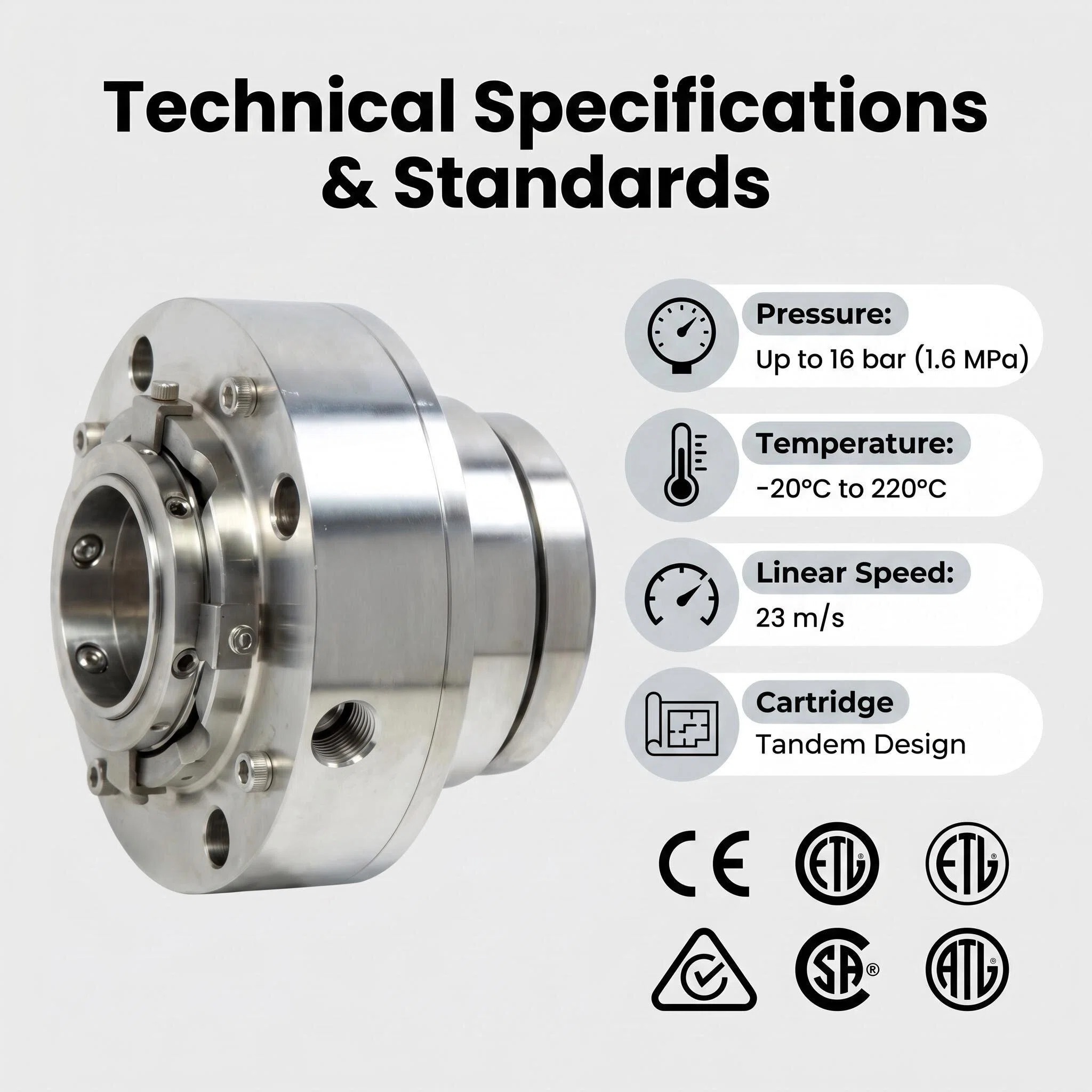
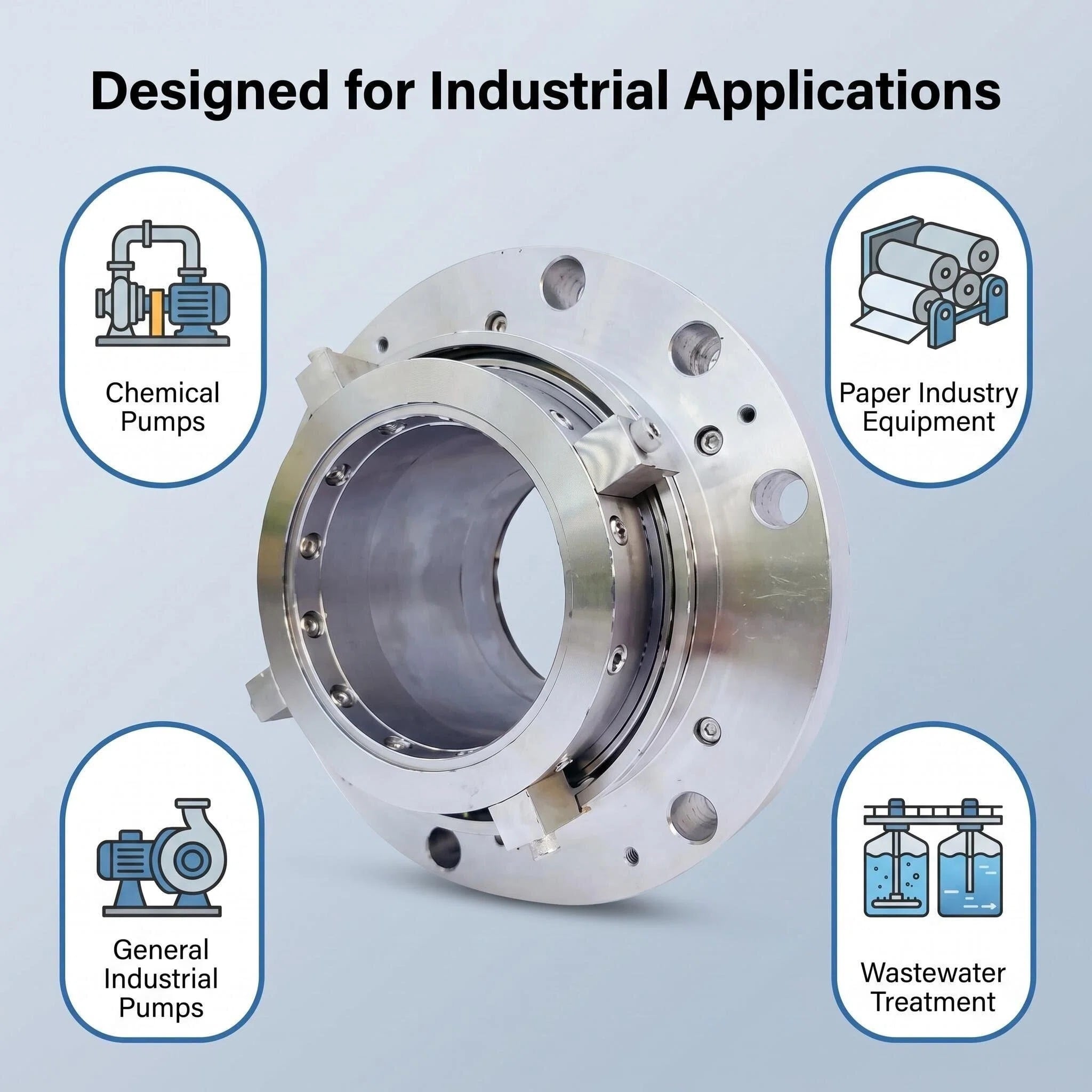
In industrial and commercial fluid systems, leakage is one of the most persistent and costly challenges engineers face. pump seals are the critical components that stand between reliable operation and expensive, potentially hazardous fluid loss. Whether in chemical processing plants, water treatment facilities, HVAC systems, or food manufacturing lines, these precision-engineered components perform a function that is simultaneously simple in concept and sophisticated in execution. Understanding how they work, why they matter, and how to maintain them properly is essential knowledge for anyone responsible for fluid-handling equipment.
The role of pump seals extends far beyond simply stopping fluid from escaping. They protect bearings from contamination, maintain system pressure integrity, reduce energy losses caused by internal bypass, and extend the operational lifespan of the pump itself. When pump seals are properly selected, correctly installed, and routinely maintained, the entire fluid system benefits from improved efficiency, reduced downtime, and greater overall reliability. This article explores the mechanisms behind pump seals, the problems they prevent, and the practical considerations that determine their long-term performance.
The Core Mechanism of Pump Seals
How Pump Seals Create a Fluid Barrier
Pump seals work by creating a controlled interface between rotating and stationary components within the pump housing. As the pump shaft rotates to move fluid, there must be a point where that shaft exits the pump casing — and this is precisely where leakage risk is highest. Pump seals address this challenge by using a combination of precision-machined sealing faces, elastomeric secondary seals, and spring-loaded contact mechanisms to maintain a virtually impermeable barrier around the rotating shaft.
The sealing faces, typically made from hard-wearing materials such as silicon carbide, tungsten carbide, or carbon graphite, are held in constant contact under controlled pressure. A thin film of the process fluid itself forms a lubricating layer between these faces, reducing friction and wear while simultaneously preventing bulk fluid from passing through. This is a beautifully balanced engineering solution: the very fluid being sealed contributes to the seal's ability to function without excessive heat generation or rapid wear.
Secondary seals, often O-rings or bellows made from elastomers like EPDM, Viton, or PTFE, provide additional static sealing between the seal components and the shaft or housing. These elements accommodate minor misalignments, thermal expansion, and vibration, ensuring that the primary sealing faces remain correctly aligned under real-world operating conditions. Together, these elements make pump seals a multi-layered defense system against leakage.
Types of Pump Seals and Their Leakage Prevention Methods
Mechanical seals represent the most widely used category of pump seals in industrial applications. They are further classified into single mechanical seals, double mechanical seals, and tandem configurations, each designed for progressively more demanding sealing challenges. A single mechanical seal provides effective leakage prevention for non-hazardous or mildly aggressive fluids, while double mechanical seals — which incorporate a barrier fluid between two sets of sealing faces — are employed when zero external leakage is mandatory, such as in chemical or pharmaceutical processing.
Lip seals and packing seals represent older but still widely used technologies. Lip seals use a flexible elastomeric lip pressed against the shaft to prevent fluid escape, and they are commonly found in lower-pressure, lower-speed applications. Packing seals use compressed braided or molded packing material in a stuffing box configuration, relying on controlled compression to restrict fluid flow. While these types allow a small controlled amount of leakage for lubrication, mechanical pump seals in modern systems are specifically engineered to eliminate this leakage entirely.
Cartridge seals are a variation of mechanical pump seals that come pre-assembled and pre-set, eliminating much of the installation complexity and human error associated with component-style seals. For maintenance teams in high-production environments, cartridge-type pump seals significantly reduce the time and technical expertise required during seal replacement, contributing directly to faster equipment turnaround and reduced operational risk.
Equipment Protection Roles of Pump Seals
Protecting Bearings and Internal Components
The protection that pump seals provide is not limited to preventing fluid from exiting the pump. They also serve as a barrier against contaminants — including moisture, dirt, abrasive particles, and process chemicals — from entering the bearing housing and damaging internal mechanical components. Bearing contamination is one of the leading causes of premature pump failure in industrial settings, and the quality and condition of pump seals directly determine how effectively this contamination path is blocked.
When pump seals degrade or fail, contaminated fluid can migrate along the shaft into the bearing assembly. Even small amounts of chemical ingress or abrasive particles can dramatically accelerate bearing wear, leading to vibration, shaft misalignment, and eventually catastrophic mechanical failure. The cost of replacing a seal proactively is a fraction of the cost of replacing bearings, rebuilding a pump housing, or managing an unplanned production shutdown caused by a failed seal that was ignored too long.
In food processing, pharmaceutical, and water treatment industries, pump seals also play a critical sanitary role. Any breach of the sealing system not only risks equipment damage but may also result in cross-contamination of the process fluid itself — a compliance failure with serious regulatory and safety consequences. Pump seals in these environments are therefore chosen for their ability to provide both mechanical integrity and hygienic performance simultaneously.
Maintaining System Pressure and Efficiency
Beyond contamination prevention, pump seals maintain the pressure differential that allows the pump to function efficiently. Internal bypass — where pressurized fluid leaks back past the sealing interface inside the pump — reduces hydraulic efficiency, increases energy consumption, and causes the pump to work harder to achieve target flow rates. Effective pump seals eliminate this internal bypass, ensuring that all the energy input to the pump is translated into productive fluid movement rather than heat generation from recirculation losses.
In piping systems where consistent pressure is critical — such as boiler feed lines, cooling water circuits, or chemical dosing systems — a compromised seal can destabilize the entire system. Pressure fluctuations caused by leaking pump seals can trigger alarms, disrupt downstream processes, and force operators to manually compensate by adjusting flow controls. Reliable pump seals remove this source of system instability and allow automated control systems to operate within their intended parameters without manual intervention.
Energy efficiency is an increasingly important consideration in industrial operations, and pump seals contribute directly to it. A well-maintained set of pump seals can reduce the energy wasted through internal recirculation and friction by maintaining tight tolerances between sealing faces. Over a pump's operational lifetime, this translates into measurable reductions in energy costs — a benefit that makes investment in high-quality pump seals economically justifiable beyond the obvious leakage prevention benefits alone.
Selecting the Right Pump Seals for Your Application
Fluid Compatibility and Material Selection
Selecting the appropriate pump seals requires a thorough understanding of the process fluid's chemical properties, temperature range, and pressure conditions. A seal that performs flawlessly in a clean water application may fail rapidly when exposed to an aggressive chemical solvent or a high-temperature thermal oil. The sealing face materials, elastomer compounds, and metal components must all be chemically compatible with the fluid being handled to ensure long-term seal integrity.
For corrosive fluids such as acids, alkalis, or chlorinated compounds, pump seals with silicon carbide faces and PTFE or Viton secondary seals are commonly preferred due to their broad chemical resistance. In high-temperature applications, the elastomer selection becomes critical — standard nitrile O-rings that work well at ambient temperatures may swell, harden, or crack when exposed to process temperatures above their rated limits. Material datasheets and fluid compatibility charts should always be consulted during the seal selection process.
Abrasive fluids present a specific challenge for pump seals, as hard particles suspended in the fluid can accelerate wear on the sealing faces and scoring on secondary seal surfaces. In these applications, harder face material combinations, flush plans that inject clean fluid to dilute and cool the seal face area, and additional protection from seal support systems become important design considerations. Getting the material selection right from the start is far less costly than dealing with premature seal failures in service.
Operating Conditions and Seal Design Criteria
Shaft speed, system pressure, and temperature are the three primary operating parameters that determine which pump seals are appropriate for a given installation. Manufacturers of pump seals specify maximum operating limits for each of these parameters, and exceeding them — even briefly during startup or upset conditions — can cause irreversible damage to the sealing faces or secondary components. Proper engineering review of the operating envelope should always precede seal selection.
In applications where the pump experiences frequent start-stop cycles, dry running risks, or variable flow conditions, pump seals must be chosen and supported by appropriate seal flush arrangements. The American Petroleum Institute has developed a comprehensive set of flush plan standards (API Plan designations) that prescribe how the sealing environment around pump seals should be managed for different process conditions. Following these guidelines is standard practice in oil and gas, chemical, and refinery applications where seal reliability is directly tied to operational safety.
Physical installation factors such as shaft runout, axial movement, and housing concentricity also influence seal performance significantly. Even the best-designed pump seals will underperform if the mechanical condition of the pump shaft, sleeve, and housing does not meet the tolerances required for proper seal operation. Maintenance teams should inspect and document these parameters during every seal installation to ensure the seal is being given the best possible environment in which to function reliably.
Maintaining Pump Seals for Long-Term Reliability
Recognizing Early Signs of Seal Degradation
Detecting pump seal problems early is one of the most effective strategies for avoiding unplanned downtime and minimizing repair costs. The most obvious indicator of seal degradation is visible fluid leakage at the pump's shaft exit point, but by the time leakage becomes visible, the seal has often already sustained significant damage. Proactive monitoring approaches focus on detecting the precursors of seal failure rather than reacting to its consequences.
Unusual vibration patterns, elevated bearing temperatures, and changes in pump noise are all potential indicators that pump seals are under stress or beginning to fail. Vibration analysis tools can detect early-stage mechanical issues that affect seal face alignment, while thermal imaging can reveal heat signatures associated with dry running or increased friction at the seal interface. Integrating these monitoring tools into a predictive maintenance program allows maintenance teams to intervene before a degrading seal becomes a full-scale failure.
In systems equipped with dual pump seals and barrier fluid systems, changes in barrier fluid level or pressure serve as direct indicators of seal condition. A drop in barrier fluid level suggests that the inner seal face is passing fluid into the barrier fluid circuit, signaling the need for inspection and likely seal replacement. This early-warning capability is one of the practical advantages of dual-seal configurations in critical applications.
Best Practices for Installation and Replacement
The installation of pump seals demands cleanliness, precision, and careful attention to manufacturer specifications. Contamination of sealing faces during installation is a leading cause of early seal failure — even a fingerprint on a carbon or ceramic sealing face can introduce an irregularity that prevents full face contact and leads to leakage from the moment the pump is started. All sealing surfaces should be handled with clean gloves and inspected under adequate lighting before assembly.
Proper setting of spring compression, correct engagement of drive mechanisms, and accurate measurement of seal face gap are all critical steps that must be performed correctly during installation. For cartridge pump seals, many of these adjustments are pre-set at the factory, but dimensional verification against the actual pump geometry is still recommended. Cutting corners during seal installation to save time almost invariably results in reduced seal life and the need for a repeat installation sooner than necessary.
After installation, a controlled startup sequence that allows the pump seals to run in gradually — particularly in applications involving new sealing faces — helps establish the optimal face topography before the pump is placed under full-load conditions. Following the manufacturer's recommended run-in procedure is a low-cost investment that can meaningfully extend the service life of the installed pump seals and defer the next maintenance event.
FAQ
What causes pump seals to fail prematurely?
Premature failure of pump seals is most commonly caused by dry running, where insufficient fluid lubrication causes the sealing faces to overheat and crack. Other frequent causes include incorrect material selection for the process fluid, installation errors such as contaminated sealing faces or improper spring compression, excessive shaft vibration or runout, and operating the pump outside its specified pressure or temperature limits. A systematic review of these factors after any premature seal failure helps identify corrective actions that prevent recurrence.
How long should pump seals last in normal service?
Under normal operating conditions with proper installation and routine maintenance, pump seals in industrial applications typically have a service life of one to three years, though well-designed systems operating within ideal conditions can achieve significantly longer intervals. The actual service life depends heavily on operating conditions, fluid characteristics, seal design quality, and how consistently the pump and its support systems are maintained. Monitoring seal condition and tracking replacement intervals helps maintenance teams establish realistic replacement schedules for their specific applications.
Can pump seals be repaired, or do they always need replacement?
In most cases, pump seals cannot be effectively repaired once the primary sealing faces are damaged — minor chips, scratches, or wear on the carbon or ceramic faces alter the precision geometry required for effective sealing, and attempts to lap or resurface damaged faces rarely restore the original sealing performance. Secondary seal components such as O-rings or bellows can sometimes be replaced individually if the primary faces remain serviceable, but as a general rule, the safest and most cost-effective practice is complete seal replacement whenever significant wear or damage is detected.
How do I know which pump seals are compatible with my pump?
Determining the correct pump seals for a specific pump requires identifying the pump model and shaft diameter, reviewing the operating conditions including fluid type, temperature, pressure, and shaft speed, and consulting both the pump manufacturer's documentation and the seal manufacturer's application guidance. Seal manufacturers typically provide selection tools and technical support to match seal configurations and materials to specific pump and process requirements. When in doubt, providing full process and equipment details to a qualified seal supplier will ensure that the recommended pump seals are properly matched to the application and will perform as expected in service.