
 EN
EN
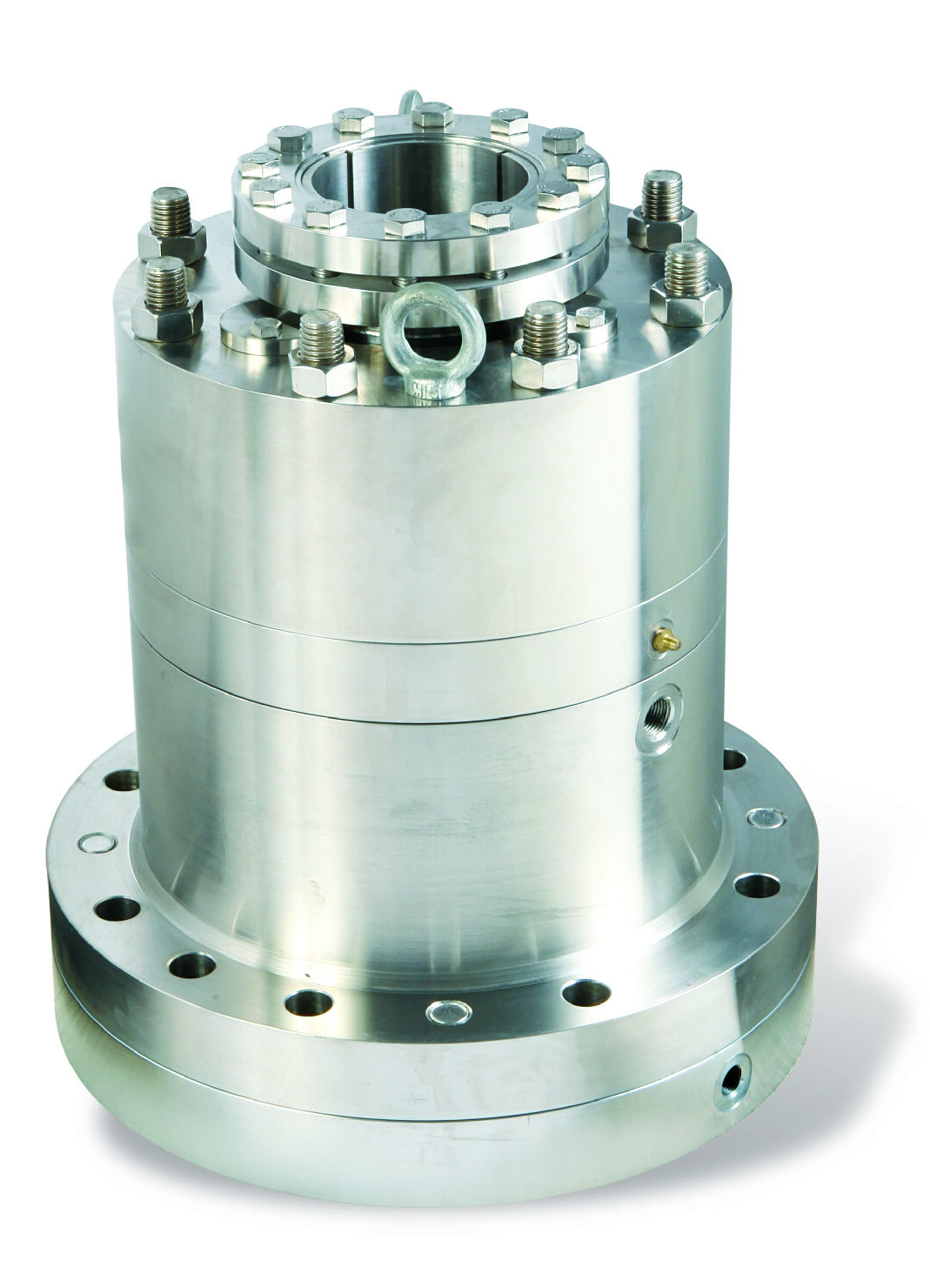
Hermetic Sealing and Ultra-High Vacuum Integrity
Zero-Leakage Performance Enabled by Precision Edge-Welded Metal Bellows
Edge welded metal bellows can reach helium leak rates as low as 1e-9 cc per second, which is about 100 times better than what we get with rubber seals. They do this by getting rid of traditional gaskets and brazing joints altogether, using instead continuous laser welds that don't have defects. The single piece metal design really matters for satellites needing propulsion systems that last decades. Even tiny losses of fuel over time can ruin a 15 year mission. Semiconductor manufacturing equipment relies on these bellows too, keeping dangerous gases like arsine and phosphine contained so workers stay safe and production stays consistent. These components handle extreme temperature swings between minus 200 degrees Celsius and plus 300 without showing signs of wear related leaks. They keep working properly despite all the vibrations and sudden pressure changes typical in mission critical equipment. Studies looking at long term costs show around 40% savings compared to parts with mechanical connections, mainly because there are fewer spots where things can wear out over time.
Compatibility with <10 mbar Vacuum Environments in Semiconductor Fabrication
Metal bellows that are welded together work really well in those super tight vacuum conditions we call UHV, sometimes as low as below 10^-11 mbar. This kind of performance is what makes them indispensable for processes like atomic layer deposition and EUV lithography in semiconductor manufacturing. The reason these bellows have such minimal outgassing rates, often under 10^-12 Torr·L/sec·cm², has everything to do with how manufacturers polish their surfaces through electrochemical means and bake them in vacuum chambers to get rid of all sorts of contaminants like water molecules, oil residues, and other volatile stuff. Fabricators typically go for materials with low vapor pressure when making these components, such as 316L stainless steel or titanium, because otherwise there's always a risk of metal particles getting into wafers during processing which nobody wants. Units that meet SEMI F57 standards can maintain stable vacuum conditions for around 10,000 hours straight, which is pretty much what fabs need for continuous 24/7 operations. What's also worth noting is that these metal bellows last about three times longer than regular polymer seals when exposed to plasma cleaning cycles. That extended lifespan translates into serious cost savings since each contamination incident can cost upwards of half a million dollars according to data from advanced 3nm fabrication facilities around the world.
Material and Thermal Resilience for Extreme Operating Conditions
Corrosion-Resistant Alloys (Inconel 718, Hastelloy C-276, Titanium) in Aggressive Gas & Plasma Environments
Semiconductor plasma etching processes and aerospace chemical delivery systems face serious challenges when dealing with environments rich in halogens, acids, or oxidizers. These conditions wear down regular materials pretty fast. The solution? Precision edge welded bellows constructed from special alloys like Inconel 718, Hastelloy C-276, and Grade 2 titanium. These materials form protective oxide layers on their surfaces which significantly extend their lifespan compared to standard stainless steel parts. Some tests show they last over five times longer before needing replacement. Titanium stands out because it doesn't react with wet chlorine at all, so there's no risk of stress corrosion cracking in those chemical vapor delivery manifolds. Meanwhile, Hastelloy C-276 handles sulfuric acid aerosols just fine in exhaust scrubber applications. What makes these alloys really valuable is their ability to maintain shape and size even when directly exposed to reactive ion etching (RIE) plasmas. This prevents tiny particles from forming that could ruin delicate wafers during processing in ultra clean chambers operating below 10^-11 mbar pressure levels.
Stable Mechanical Behavior Across Cryogenic (-269°C) to High-Temperature (+450°C) Ranges
Metal bellows welding works across extreme temperature ranges from liquid helium (-269°C) all the way up to rocket engine fuel systems at around +450°C, something regular rubber parts simply can't handle without failing completely. The nickel based materials like Inconel 718 stay flexible even when super cold because they don't go through those brittle phase changes that happen with other metals. When things get hot, Inconel keeps about 85% of its strength at 700°C which is way better than standard 316L stainless steel that starts breaking down after hitting just 500°C. This kind of heat resistance means the spring properties stay stable even during sudden temperature shifts, like what happens with satellites in low Earth orbit experiencing temperature swings of 300°C per minute. Plus, having a uniform grain structure without weak spots between layers helps prevent cracks from forming over time when exposed to these constant thermal cycles.
Precision Motion Control and Long-Term Reliability
Sub-Micron Positioning Accuracy and Linear Spring Rate Consistency in Welded Metal Bellows
Edge welded bellows provide positioning accuracy below 0.5 microns and achieve repeatability at the nanometer level for photolithography stages and vacuum robotic arms. These results come from several factors working together including uniform convolution geometry, consistent material properties after cold working, and controlled axial spring rates with +/- 5% tolerance throughout the entire range of motion. Mechanical assembly methods create problems that edge welded designs avoid entirely. Monolithic construction removes issues like hysteresis and backlash, resulting in predictable force displacement characteristics that meet ISO 2232 standards during cyclic testing. Such precision matters greatly in applications like deep space telescope sensors or extreme ultraviolet mask positioning systems. Even tiny movements at the nanoscale can lead to serious problems such as focus errors or misaligned patterns in these critical systems.
High Cycle Life (1 Million Cycles) and Maintenance-Free Operation in Critical Actuators
Edge welded metal bellows meet ASME BPVC Section VIII standards and can handle over a million full strokes before showing any signs of wear. The way these components are designed spreads out strain across their convoluted shape so that stress stays well under 30% of what the material can actually take before yielding. This design trick basically stops those pesky fatigue cracks from starting in the first place. Since there's nothing inside that slides around, needs oiling, or has moving seals, these bellows just keep working without needing attention for more than ten years even in places where regular maintenance would be impossible. Think about them powering actuators along particle accelerators, controlling cryogenic fuel valves during rocket launches, or functioning inside tiny medical implants. According to NASA studies, switching from rubber based alternatives cuts down overall costs by about two thirds. Why? Because these metal bellows last longer between replacements, don't require planned maintenance sessions, and most importantly prevent those costly unexpected breakdowns that shut operations down completely.
Validated Industry Applications: From Satellite Systems to Nanofabrication Tools
Welded metal bellows are basically what keeps things running when there's absolutely no room for failure. Take aerospace applications for instance. These components keep propulsion systems completely sealed despite extreme temperatures ranging from minus 180 degrees Celsius all the way up to plus 150 degrees. They're even critical for maintaining those incredibly precise sensor alignments needed in space telescopes such as the James Webb. When it comes to making semiconductors, the ultra high vacuum integrity of these bellows (better than 10 to the negative 11th mbar) prevents costly contamination problems during processes like EUV lithography and atomic layer deposition. Without proper isolation, whole batches of expensive 300mm wafers could be ruined. The fact that these parts work so well in plasma environments and don't release any gases makes them essential for cutting edge chip production at nodes like 3 nanometers and high bandwidth memory technologies. From keeping space actuators functioning reliably under radiation exposure to ensuring stable operation of wafer handling equipment on Earth, welded metal bellows stand out as must-have components where engineering precision meets material science requirements for mission critical reliability.
FAQ
What are the benefits of using precision edge-welded metal bellows over traditional seals?
Precision edge-welded metal bellows offer zero-leakage performance by reaching helium leak rates as low as 1e-9 cc per second, which is about 100 times better than rubber seals. They handle extreme temperature variations and are resistant to wear, vibrations, and sudden pressure changes.
Why are metal bellows essential in semiconductor fabrication?
Metal bellows are crucial in semiconductor fabrication due to their compatibility with ultra-high vacuum (UHV) environments and low outgassing rates. They help prevent contamination in critical processes like atomic layer deposition and EUV lithography.
How do these bellows enhance reliability in extreme conditions?
The use of corrosion-resistant alloys like Inconel 718 and Hastelloy C-276 extends lifespan in aggressive environments. Their stable mechanical behavior from cryogenic to high temperatures ensures functionality without degradation.
Do edge welded metal bellows require maintenance?
Edge welded metal bellows are designed to be maintenance-free, handling over a million cycles with no wear. They don't require oiling or have moving seals, making them ideal for long-term, critical operations.