
 EN
EN
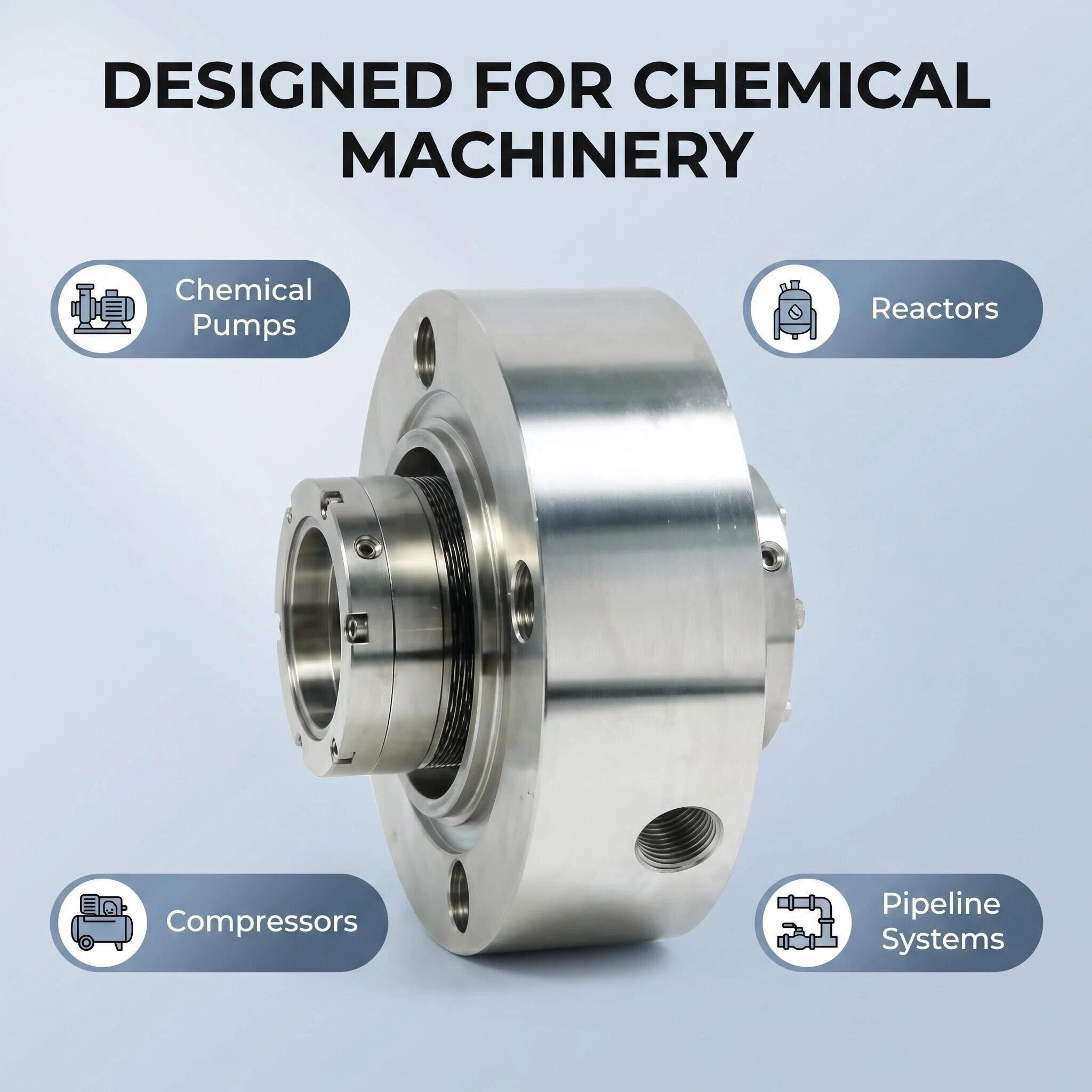
The engineering world is undergoing a quiet but significant revolution, and at the center of it are water pump mechanical seals. These components, often overlooked in broader conversations about industrial innovation, are now at the forefront of smart manufacturing, sustainability initiatives, and advanced material science. As global industries demand greater efficiency, longer service intervals, and reduced environmental footprints, the design philosophy behind water pump mechanical seals is evolving at an unprecedented pace. Understanding where this technology is heading is not just an academic exercise — it is a business-critical consideration for engineers, procurement specialists, and plant managers alike.
From embedded sensor technology to bio-derived composite materials, the next generation of water pump mechanical seals promises to redefine how industrial pumping systems perform across sectors including water treatment, HVAC, chemical processing, and agriculture. This article explores the defining trends shaping the future of these seals, examining both the engineering drivers and the sustainability imperatives that are accelerating change. Whether you are designing new pump systems or upgrading existing infrastructure, staying informed about these developments will give you a decisive competitive and operational advantage.
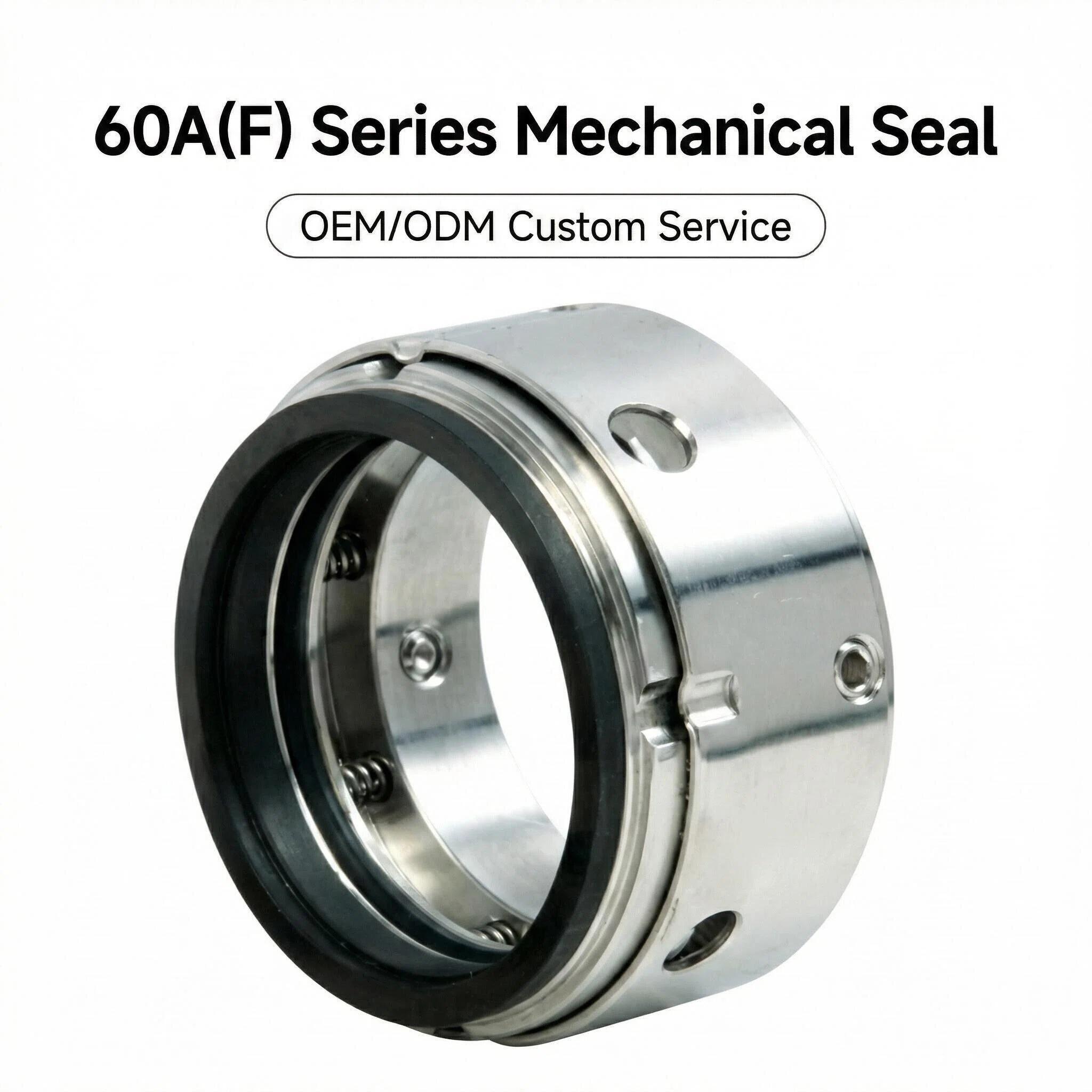
The Shift Toward Smart Seal Technology
Embedded Sensor Integration in Seal Design
One of the most transformative developments in water pump mechanical seals is the integration of embedded sensing capabilities directly into the seal assembly. Rather than relying on external monitoring equipment or periodic manual inspections, next-generation seals are being designed to continuously report on their own condition. Parameters such as face temperature, vibration frequency, leakage rate, and axial displacement can now be tracked in real time using miniaturized sensor arrays positioned within the gland or seal chamber.
This shift toward embedded intelligence fundamentally changes the maintenance model for pump systems. Instead of scheduled replacement intervals based on average wear estimates, plant operators can act on actual condition data, replacing or servicing water pump mechanical seals only when the data indicates genuine degradation. The result is a significant reduction in unplanned downtime, lower parts consumption, and more accurate lifecycle cost modeling. Industries with continuous process requirements — such as municipal water systems and pharmaceutical manufacturing — are especially positioned to benefit from this approach.
The technical challenge lies in ensuring that sensors survive the harsh operating environments typical of pump applications, including high-pressure fluid exposure, thermal cycling, and chemical aggression. Material encapsulation techniques and wireless signal transmission protocols are currently being refined to address these constraints, and early commercial implementations are already demonstrating measurable reliability improvements over conventional sealing systems.
Predictive Maintenance and Digital Twin Compatibility
Smart water pump mechanical seals do not operate in isolation. Their real value emerges when their sensor outputs are connected to broader industrial IoT platforms and digital twin environments. A digital twin is a virtual replica of a physical system that continuously updates based on live sensor data, allowing engineers to simulate seal behavior under varying conditions without physical testing. When seal health data is fed into a digital twin model, maintenance teams can predict failure windows, optimize operating parameters, and test design modifications virtually before implementing them in the field.
This integration is accelerating the adoption of predictive maintenance strategies across industries that rely heavily on pump infrastructure. For facilities managing dozens or hundreds of pump units simultaneously, the ability to centralize seal health monitoring through a single dashboard represents a dramatic operational improvement. Digital twin compatibility is therefore becoming a design requirement rather than an optional feature for premium water pump mechanical seals in industrial markets.
The compatibility between seal telemetry data and enterprise asset management software is another frontier being actively developed. As these integrations mature, the distinction between mechanical component and intelligent device will continue to blur, and water pump mechanical seals will be understood not merely as wear parts but as data-generating assets with strategic value throughout their operational life.
Eco Materials Redefining Seal Performance
Bio-Derived and Recycled Polymer Compounds
The environmental pressure on industrial manufacturing to reduce carbon footprints has reached the component level, and water pump mechanical seals are no exception. Traditional seal materials such as PTFE, carbon-graphite, and silicon carbide are highly functional but carry significant environmental costs in their extraction, processing, and end-of-life disposal. In response, material scientists and seal engineers are exploring bio-derived polymer compounds and recycled composite materials that can match or exceed the performance characteristics of their conventional counterparts.
Bio-based elastomers derived from plant oils or fermentation processes are showing particular promise as secondary seal materials and O-ring compounds. These materials offer comparable chemical resistance and temperature stability to petroleum-derived alternatives while dramatically reducing lifecycle carbon emissions. Some formulations are also designed to be fully biodegradable under controlled industrial composting conditions, which opens the door to genuinely circular material models for water pump mechanical seals in low-contamination applications.
Recycled ceramic composites represent another active area of development. By incorporating post-industrial ceramic waste into seal face compounds, manufacturers can reduce raw material demand and energy consumption during production without sacrificing the hardness and wear resistance that seal faces require. The engineering precision demanded by water pump mechanical seals means that material substitution cannot happen casually, but rigorous testing frameworks now exist to validate eco-material performance under real pump operating conditions.
Advanced Coatings and Surface Engineering
Surface engineering is proving to be one of the most productive pathways for improving the sustainability profile of water pump mechanical seals without requiring wholesale material replacement. Diamond-like carbon coatings, thermal spray ceramic films, and nano-structured surface treatments can extend face life by factors of two to five compared to uncoated surfaces, meaning fewer seals are consumed over a given operational period. This reduction in parts turnover directly translates to lower material consumption and reduced waste generation.
Hydrophilic surface coatings represent a particularly interesting innovation for water-service applications. By engineering the seal face to maintain a thin, stable lubricating film of the pumped fluid itself, these coatings reduce friction and heat generation without the need for external lubrication systems or buffer fluid circuits. The environmental benefit is significant: eliminating buffer fluids reduces chemical handling requirements, waste fluid disposal costs, and the risk of process contamination in sensitive applications such as potable water or food-grade fluid systems.
The convergence of eco-material development and precision surface engineering is producing a new generation of water pump mechanical seals that are simultaneously more durable, more sustainable, and easier to integrate into closed-loop industrial processes. This dual benefit — better performance and lower environmental impact — is breaking down the traditional perception that green engineering involves performance trade-offs.
Design Evolution for Extended Service Life
Geometry Optimization and Computational Fluid Dynamics
The geometric design of water pump mechanical seals has historically been refined through empirical testing, a process that is both time-consuming and resource-intensive. Modern computational fluid dynamics tools are fundamentally changing this paradigm. Engineers can now simulate the hydrodynamic behavior of the fluid film between seal faces, the thermal distribution across seal components, and the mechanical stress patterns generated under dynamic loading conditions — all before a single physical prototype is produced.
This simulation-driven design approach is enabling seal geometries that were previously impractical to engineer or validate. Spiral groove face patterns, wavy face configurations, and micro-textured surfaces can be evaluated computationally across hundreds of parameter combinations in the time it would previously take to test a handful of physical prototypes. The result is a faster innovation cycle and a higher probability that new water pump mechanical seals entering service will perform optimally from the first application.
Extended service life is the primary business case for geometry optimization. Every incremental improvement in face film stability or wear rate translates directly into longer mean time between replacements, which reduces maintenance labor, parts inventory, and production interruptions. For high-volume pump operations, these savings accumulate rapidly, making geometry-optimized water pump mechanical seals a highly cost-effective investment even when their unit cost is higher than standard alternatives.
Modular and Cartridge-Based Assembly Advances
Cartridge seal designs have been a preferred format for water pump mechanical seals in demanding industrial applications for some time, but the next phase of modular design is taking this concept significantly further. Future cartridge assemblies are being engineered for tool-free replacement, self-aligning installation, and standardized cross-compatibility with multiple pump shaft configurations. These features reduce the skill level required for field installation, decrease the risk of incorrect assembly, and cut mean time to repair substantially.
Modular design also supports more sustainable business models. When individual seal components — faces, springs, secondary seals, gland plates — can be replaced independently rather than as a complete assembly, the total material consumption per maintenance event is dramatically reduced. This approach also allows the highest-grade materials to be used selectively for the most wear-critical components while more economical materials serve less demanding functions, optimizing both cost and environmental impact simultaneously.
The standardization push in modular water pump mechanical seals is closely linked to global interchangeability standards being developed within pump engineering bodies. As these standards mature, end users will gain greater flexibility in sourcing replacement components, reducing supply chain risk and supporting competitive procurement without compromising seal performance or system integrity. For more information on advanced seal solutions built around these emerging design principles, visit water pump mechanical seals from a manufacturer actively engaged in next-generation seal development.
Regulatory and Industry Drivers Accelerating Innovation
Environmental Compliance and Emission Standards
Regulatory frameworks governing industrial fluid systems are becoming increasingly stringent worldwide, and water pump mechanical seals sit squarely within the scope of many of these regulations. Emission standards for volatile organic compound leakage, wastewater discharge limits, and energy efficiency mandates are all creating powerful commercial incentives for seal designs that minimize leakage, reduce energy consumption, and extend operational intervals. Compliance is no longer a secondary consideration — it is a primary engineering requirement.
In the European Union, the Industrial Emissions Directive and REACH chemical regulations are driving demand for water pump mechanical seals that eliminate hazardous material content from their construction while maintaining full compliance with fluid contact requirements. Similarly, EPA regulations in North American markets are influencing seal material selection in process industries where certain seal elastomers or face materials contain controlled substances. Manufacturers who proactively engineer compliant solutions are gaining significant market access advantages over those who treat regulatory alignment as an afterthought.
The trend toward comprehensive environmental product declarations and lifecycle assessments for industrial components is also gaining momentum. Buyers in sectors such as municipal water utilities, pharmaceutical processing, and food and beverage manufacturing are increasingly requiring documented evidence of the environmental performance of water pump mechanical seals across their full lifecycle. This documentation requirement is accelerating the shift toward eco-material adoption and energy-efficient design across the entire seal manufacturing sector.
Water Scarcity and Fluid Conservation Imperatives
Global water scarcity is emerging as one of the most powerful market drivers for advanced water pump mechanical seals. In regions where freshwater resources are under acute pressure, any leakage from pump systems represents both an economic loss and an environmental harm. Double mechanical seal arrangements with zero-leakage performance are moving from premium specification to standard requirement in water infrastructure projects across water-stressed regions of the world.
The design implications are significant. Water pump mechanical seals intended for conservation-critical applications must achieve and sustain fugitive emission rates below measurable thresholds over extended operational periods. This performance standard demands tighter dimensional tolerances, superior face flatness, and more robust secondary sealing systems than general-purpose seal designs provide. The investment in higher-specification seals is justified by the quantifiable value of the fluid conserved over the seal's service life.
Agricultural irrigation systems, desalination plants, and municipal distribution networks are all categories where the business case for premium water pump mechanical seals is being rewritten around water conservation value rather than simply component cost. As water pricing mechanisms increasingly reflect true resource scarcity, the economic calculus strongly favors seal technologies that prevent rather than merely manage leakage.
FAQ
What makes smart water pump mechanical seals different from conventional designs?
Smart water pump mechanical seals incorporate embedded sensors and connectivity features that allow real-time monitoring of seal condition, including face temperature, vibration, and leakage indicators. Unlike conventional seals that are maintained on fixed schedules, smart seals support condition-based and predictive maintenance strategies. This capability reduces unplanned downtime, lowers total maintenance costs, and provides valuable operational data that can be integrated into digital twin and asset management systems.
Are eco-material water pump mechanical seals ready for industrial use?
Yes, in many application categories, eco-material water pump mechanical seals have progressed beyond the research phase and are commercially available with validated performance data. Bio-derived elastomers and recycled ceramic composites have demonstrated comparable performance to conventional materials in moderate operating conditions. For highly demanding applications involving extreme temperatures, pressures, or aggressive chemicals, eco-material formulations continue to be refined, and their qualification range is expanding with each development cycle.
How does extended service life in water pump mechanical seals reduce total cost of ownership?
Extended service life reduces the frequency of planned and unplanned maintenance events, which directly lowers labor costs, parts inventory requirements, and production downtime. Advanced geometry designs, precision surface coatings, and optimized material selections all contribute to longer wear life. Over a typical pump system's operational period, transitioning to longer-life water pump mechanical seals can reduce seal-related maintenance costs by a meaningful percentage, with the exact savings depending on the operating conditions and the baseline seal specification being replaced.
How are water scarcity concerns changing the specification of water pump mechanical seals?
Water scarcity is driving demand for double mechanical seal arrangements and zero-leakage design standards in pump systems operating in water-critical environments. Specifiers are increasingly prioritizing fugitive emission performance over initial component cost, recognizing that the value of conserved water justifies investment in higher-specification seals. This shift is particularly pronounced in agricultural irrigation, municipal water distribution, and desalination applications, where even small improvements in seal leakage performance translate into significant fluid conservation over the system's operational life.
Table of Contents
- The Shift Toward Smart Seal Technology
- Eco Materials Redefining Seal Performance
- Design Evolution for Extended Service Life
- Regulatory and Industry Drivers Accelerating Innovation
-
FAQ
- What makes smart water pump mechanical seals different from conventional designs?
- Are eco-material water pump mechanical seals ready for industrial use?
- How does extended service life in water pump mechanical seals reduce total cost of ownership?
- How are water scarcity concerns changing the specification of water pump mechanical seals?