
 EN
EN
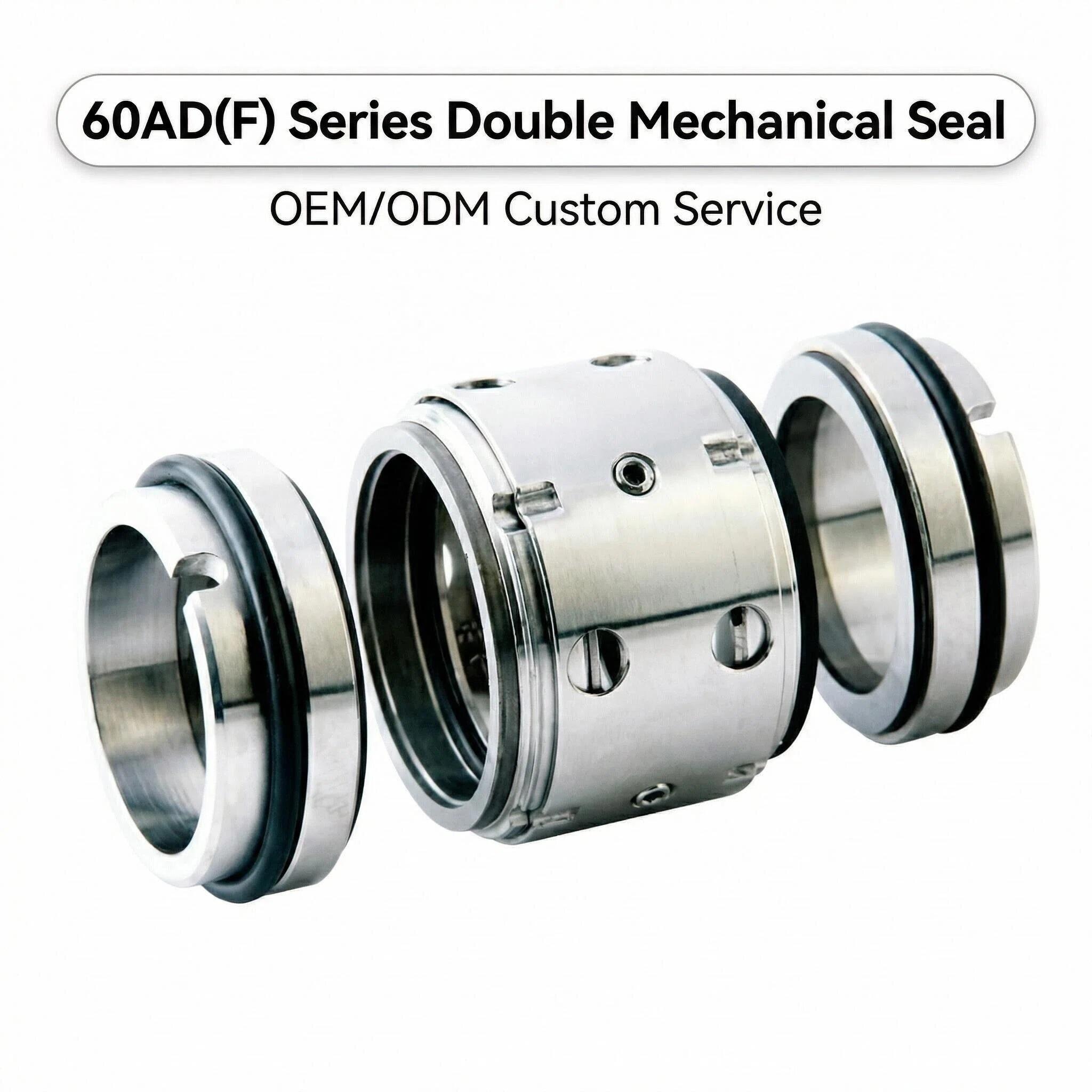
In industrial operations where abrasive slurries, corrosive chemicals, and heavy particulate-laden fluids are part of the daily workflow, sealing technology becomes a critical point of failure — or success. The slurry pump mechanical seal sits at the heart of this challenge, tasked with maintaining a leak-free barrier between a pump's rotating shaft and its casing while being continuously exposed to some of the harshest media found in any process environment. Understanding how these seals perform under such conditions is essential for engineers, maintenance teams, and procurement specialists who want to reduce downtime, extend equipment life, and maintain operational efficiency.
Unlike standard pump applications, slurry environments impose combined mechanical, thermal, and chemical stresses that no ordinary seal can reliably withstand over time. A properly engineered slurry pump mechanical seal must manage abrasive particle ingress, handle fluctuating pressures, resist corrosion, and maintain a stable sealing face under vibration — all simultaneously. This article explains the design principles, material strategies, and operational mechanisms that allow modern slurry pump mechanical seals to perform reliably in abrasive and harsh media conditions.
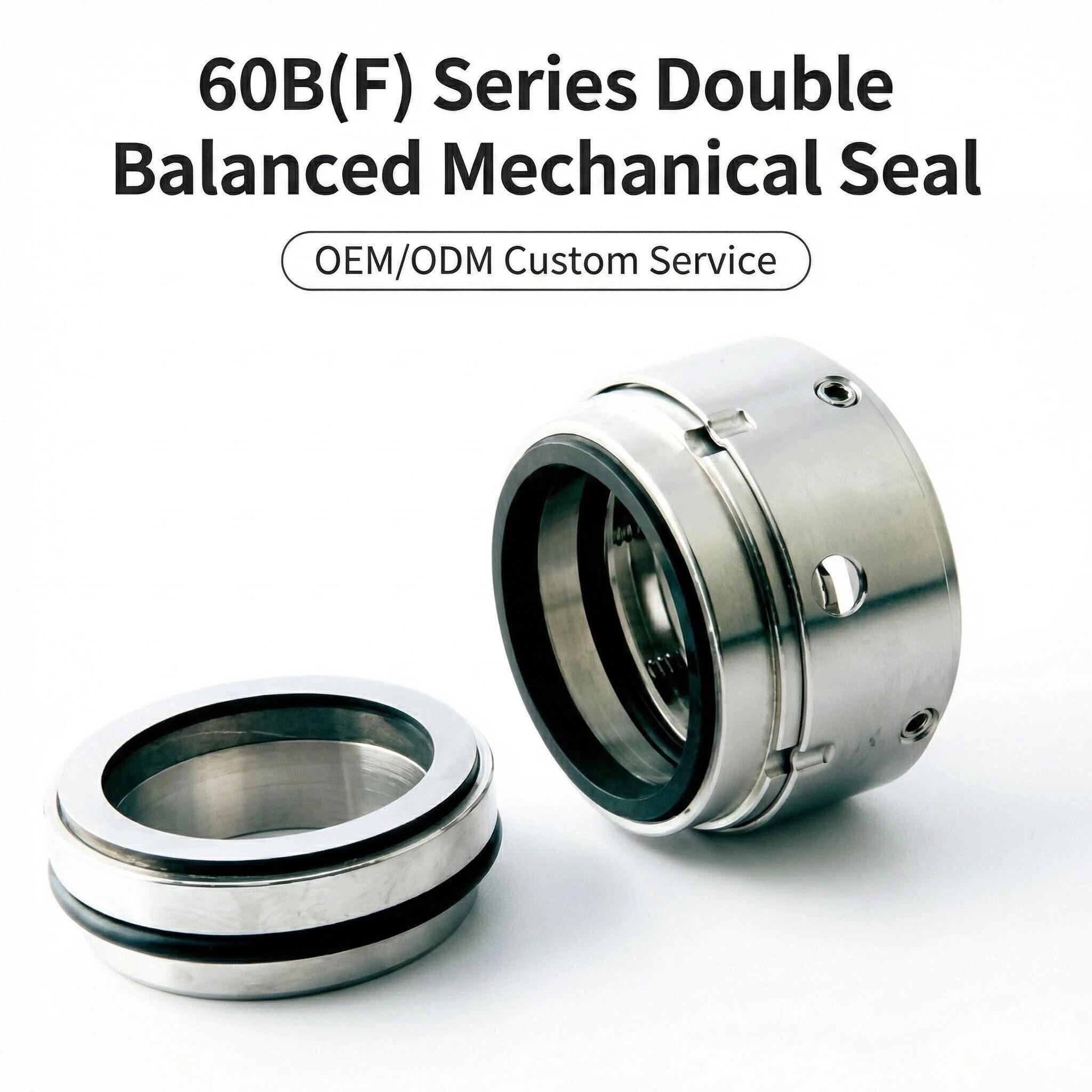
The Nature of Abrasive and Harsh Media in Slurry Applications
What Makes Slurry Media So Demanding
Slurry media are fundamentally different from clean liquids because they contain suspended solids — often sharp, angular, and hard — mixed with a carrier fluid that may itself be chemically aggressive. Industries such as mining, mineral processing, cement production, wastewater treatment, and power generation all rely on slurry pumps to move these materials. The suspended particles range from fine silt to coarse sand, grinding media, and even reactive chemical compounds.
The presence of solid particles dramatically accelerates wear on sealing surfaces. Every rotation of the pump shaft creates relative motion between the seal faces, and any particle that penetrates this interface acts as a micro-abrasive, cutting and grinding the face material. Over time, this destroys the precision-lapped surface that is essential for maintaining a proper seal. A slurry pump mechanical seal must therefore be designed specifically to prevent or manage this particle intrusion.
Beyond abrasion, harsh media can include strongly acidic or alkaline fluids, high-temperature slurries, and fluids with varying viscosities. These factors compound the sealing challenge and mean that material selection, face geometry, and flush plan configuration must all be carefully matched to the specific application. A seal that works well in one slurry environment may fail rapidly in another if the media chemistry or particle size distribution differs significantly.
Pressure, Temperature, and Vibration as Compounding Stressors
Slurry pumps rarely operate under stable, predictable conditions. Pressure fluctuations occur as the concentration of solids changes in the feed stream. Temperature spikes can result from process upsets or insufficient flushing. Mechanical vibration is generated by pump impeller imbalance, cavitation, and the unsteady flow patterns that abrasive slurries create within the pump casing. Each of these factors independently stresses the slurry pump mechanical seal, and their combined effect is multiplicative rather than additive.
Vibration is particularly destructive because it causes the seal faces to lose contact momentarily, allowing media to penetrate the interface during those microseconds of separation. It also accelerates fretting corrosion on the shaft sleeve and secondary sealing elements. For this reason, robust slurry pump mechanical seal designs incorporate features like wider-face geometries, stronger spring mechanisms, and flexible elastomeric secondary seals that can accommodate shaft movement without losing sealing integrity.
Core Design Features That Enable Abrasive Media Resistance
Face Material Selection for Hardness and Corrosion Resistance
The rotating and stationary seal faces are the most critical wear components in any slurry pump mechanical seal. In abrasive applications, face material selection is not simply a matter of choosing the hardest available option — it requires balancing hardness, toughness, thermal conductivity, and chemical resistance. Silicon carbide (SiC) has become the dominant face material in slurry service because it offers excellent hardness, good chemical resistance, and favorable thermal properties. Reaction-bonded SiC and sintered SiC variants each offer distinct advantages depending on the aggressiveness of the media.
In highly corrosive slurries, tungsten carbide faces are sometimes used in combination with SiC counter-faces. Tungsten carbide provides exceptional abrasion resistance but requires careful selection of the binder phase to ensure compatibility with the specific chemicals present. For applications involving highly acidic or oxidizing media, fully sintered SiC offers superior chemical inertness and can maintain face flatness over extended service periods, which is essential for preserving the sealing film that prevents leakage in a slurry pump mechanical seal.
Ceramic alumina and chrome oxide coatings have also been applied to seal faces in specific applications, though these tend to be used where cost constraints limit the use of full SiC face rings. The key principle in all cases is that both face materials should be matched to minimize differential thermal expansion and ensure that the wear rate across both faces remains predictable and manageable throughout the design service life.
Geometry and Flush Arrangements for Particle Management
The geometry of the seal chamber and the configuration of flush and quench arrangements play an enormous role in how well a slurry pump mechanical seal handles abrasive particles. A common strategy in slurry service is to use an API Plan 32 flush arrangement, in which clean external fluid is injected into the seal chamber at a pressure slightly higher than the process pressure. This creates an inward flow that continuously displaces slurry particles away from the seal faces, preventing them from entering the sealing interface.
The throat bushing geometry at the inboard side of the seal chamber is also carefully designed to create a controlled restriction that limits particle migration toward the seal faces while allowing the flush fluid to sweep the chamber clean. In double mechanical seal configurations, a barrier fluid fills the space between two seal faces, physically isolating the inboard seal from the slurry entirely. This approach is especially valuable in highly abrasive applications where even temporary particle contact with the seal faces is unacceptable.
Some slurry pump mechanical seal designs incorporate expeller rings or centrifugal pumping devices that create a dynamic pressure barrier against the process fluid, further reducing the load on the primary seal faces. These expellers are particularly effective in centrifugal slurry pumps because the rotational energy of the shaft can be harnessed to actively repel slurry from the seal zone. When combined with a properly sized flush arrangement, these geometric features significantly extend seal life in challenging media.
Secondary Sealing Elements and Their Role in Harsh Environments
Elastomer Selection for Chemical and Thermal Compatibility
Secondary seals — the O-rings, bellows, and wedge rings that prevent leakage along the shaft and between seal components — are just as critical as the primary faces in a slurry pump mechanical seal. In harsh media environments, elastomer degradation is a common failure mode that is often overlooked until leakage occurs. The elastomer must be compatible with both the carrier fluid and any chemical additives used in the process, while also maintaining adequate physical properties across the temperature range of the application.
EPDM (ethylene propylene diene monomer) is widely used in water-based slurries and alkaline environments due to its excellent resistance to heat, water, and many chemicals. Viton (FKM) is preferred in acid slurries and hydrocarbon-containing media because of its outstanding chemical resistance across a broad pH range. PTFE encapsulated O-rings offer a near-universal chemical compatibility solution but require careful attention to the compression set behavior, as PTFE can lose sealing force over time if not designed with adequate retention.
In high-temperature slurry applications, FFKM (perfluoroelastomer) compounds provide exceptional thermal stability and chemical inertness, though at a significantly higher cost. The selection of the correct elastomer is therefore not just a technical decision but also an economic one, requiring a careful assessment of service life expectations versus material cost. A well-matched secondary seal extends the overall service life of the slurry pump mechanical seal and prevents the type of sudden catastrophic leakage events that cause unplanned shutdowns.
Metal Components and Corrosion-Resistant Alloys
The metallic components of a slurry pump mechanical seal — including the gland plate, seal sleeve, spring retainer, and drive collar — must also be carefully selected for corrosion resistance. In many slurry applications, the carrier fluid is acidic or contains dissolved chlorides that aggressively attack standard stainless steels. Austenitic stainless steels such as 316L offer adequate resistance in mildly corrosive environments, but more aggressive media may require duplex stainless steels, Hastelloy C-276, or other nickel-based alloys.
Spring selection is another area where material matters significantly. Single coil springs made from Inconel or Hastelloy maintain their elastic properties in chemically aggressive and high-temperature environments where standard 316 stainless springs would corrode and lose tension. Multiple spring designs distribute the closing force more evenly across the seal face, which is beneficial in slurry service because it compensates for any minor shaft deflection and maintains uniform face contact pressure even as the seal faces wear gradually over time.
Operational Strategies to Extend Slurry Pump Mechanical Seal Life
Flush Plan Optimization and Monitoring
Even the most robust slurry pump mechanical seal will fail prematurely if the flush system is poorly designed or improperly maintained. The flush flow rate, pressure differential, and fluid quality all need to be monitored and controlled continuously. A common mistake in slurry pump installations is using process water of insufficient quality as the flush medium, which introduces fine particles into the seal chamber and defeats the purpose of the flush arrangement entirely. Where possible, clean water from a dedicated supply should be used, filtered to remove particles larger than the seal face clearance.
Pressure monitoring at the flush injection point provides an early warning of flush line blockages or supply pressure drops that could allow slurry to migrate into the seal chamber. Flow meters on the flush supply line add an additional layer of protection, alerting operators to reduced flow conditions before seal damage occurs. In automated facilities, these monitoring points can be integrated into the plant control system to trigger alarms or initiate protective shutdowns when flush parameters drift outside acceptable ranges.
Maintenance Practices and Condition Monitoring
Proactive maintenance is essential to maximizing the return on investment from a high-quality slurry pump mechanical seal. Vibration monitoring of the pump and shaft assembly can identify developing mechanical issues — such as bearing wear or impeller imbalance — before they translate into seal failures. Thermal imaging and temperature monitoring at the seal gland can detect inadequate lubrication or abnormal friction within the seal faces, providing warning of impending failure well before leakage begins.
Regular inspection of the flush and quench systems during scheduled maintenance windows helps ensure that these protective systems remain functional between major overhauls. When a slurry pump mechanical seal is removed for inspection, careful analysis of the wear patterns on the seal faces, the condition of the elastomers, and the state of the spring mechanism can provide valuable insights into the operating conditions the seal has been experiencing. This information feeds directly back into the selection and specification process for replacement seals, allowing incremental improvements in seal life to be achieved over successive maintenance cycles.
Partnering with a seal supplier who understands the specific demands of slurry pump applications is also critical. Detailed application engineering, including analysis of the particle size distribution, media chemistry, operating pressures, and temperature profiles, allows seal designs to be optimized for the exact service conditions rather than relying on generic configurations. Companies like slurry pump mechanical seal specialists provide application-specific engineering support that can make a measurable difference in seal performance and longevity.
Industry Applications and Selection Guidance
Mining and Mineral Processing
Mining and mineral processing represent arguably the harshest environment for any slurry pump mechanical seal. Ore processing slurries combine highly abrasive rock particles with acidic or alkaline leaching solutions, creating a dual chemical and mechanical attack on all seal components. High-density slurries with solids concentrations exceeding 60% by weight are common in tailings disposal and concentrate transport circuits, imposing extreme stress on the pump and seal systems alike.
In these environments, double mechanical seal configurations with clean barrier fluid systems are often the only viable approach to achieving acceptable seal life. The barrier fluid completely isolates the seal faces from the process slurry, allowing the use of higher-precision face materials and tighter tolerances than would be survivable in direct contact with the mining slurry. Regular barrier fluid monitoring ensures that any inboard seal leakage is detected promptly, preventing the abrasive slurry from contaminating the seal chamber and destroying both seal faces simultaneously.
Wastewater Treatment and Power Generation
In wastewater treatment, slurry pumps handle digested sludge, grit slurries, and thickened biosolids. These media are typically less abrasive than mining slurries but present significant challenges in terms of fibrous content, variable viscosity, and the presence of biological degradation products that can attack elastomers and accelerate corrosion on metal components. A slurry pump mechanical seal for wastewater applications must therefore prioritize versatility and robustness over extreme hardness.
Power generation applications, particularly in coal-fired plants handling fly ash slurries or flue gas desulfurization (FGD) suspensions, combine fine abrasive particles with mildly acidic media. The FGD environment is particularly challenging because gypsum slurries contain fine calcium sulfate crystals that can crystallize on seal faces if the flush system loses pressure momentarily. Seal designs for these applications often incorporate wider face geometries and more aggressive flush plans to prevent crystallization buildup and maintain the hydrodynamic film that protects the slurry pump mechanical seal faces from direct abrasive contact.
FAQ
What is the most important design feature of a slurry pump mechanical seal for abrasive media?
The most critical design feature is the combination of hard face materials — typically silicon carbide on both faces — with an effective flush or barrier fluid arrangement that prevents abrasive particles from entering the sealing interface. Hard faces alone will not ensure long service life if particles are allowed to penetrate and act as grinding media between the faces. The flush arrangement is what converts a standard mechanical seal into a slurry pump mechanical seal capable of operating reliably in abrasive conditions.
How often should a slurry pump mechanical seal be replaced in typical mining applications?
Service life varies considerably depending on the abrasiveness of the slurry, the quality of the flush system, and the operating conditions of the pump. In well-managed applications with properly maintained flush systems, a slurry pump mechanical seal can achieve service lives of six months to over a year. In more aggressive applications, replacement intervals of three to four months are not uncommon. Condition monitoring and regular inspection are the most reliable ways to optimize replacement timing and avoid unexpected failures.
Can a standard pump mechanical seal be used in slurry pump applications?
A standard mechanical seal designed for clean fluid service should not be used in slurry pump applications. Standard seals are designed with softer face materials, lighter spring loads, and sealing chamber geometries that offer no protection against particle ingress. Exposure to abrasive slurry will rapidly destroy the seal faces and secondary elastomers, leading to premature failure and potential environmental contamination. A purpose-designed slurry pump mechanical seal is necessary to achieve safe and reliable operation in abrasive media environments.
What role does the barrier fluid play in a double mechanical seal for slurry service?
In a double mechanical seal configuration, the barrier fluid fills the space between the two sets of seal faces, maintaining a positive pressure against both the process slurry and the atmosphere. This physical isolation means that neither seal face ever comes into direct contact with the abrasive slurry. The barrier fluid lubricates and cools the inboard seal faces while the outboard seal faces are lubricated and cooled by the barrier fluid from the other side. Monitoring the barrier fluid for contamination or pressure loss provides an early warning system for inboard seal wear, making the double seal arrangement a highly reliable choice for the most demanding slurry pump mechanical seal applications.
Table of Contents
- The Nature of Abrasive and Harsh Media in Slurry Applications
- Core Design Features That Enable Abrasive Media Resistance
- Secondary Sealing Elements and Their Role in Harsh Environments
- Operational Strategies to Extend Slurry Pump Mechanical Seal Life
- Industry Applications and Selection Guidance
-
FAQ
- What is the most important design feature of a slurry pump mechanical seal for abrasive media?
- How often should a slurry pump mechanical seal be replaced in typical mining applications?
- Can a standard pump mechanical seal be used in slurry pump applications?
- What role does the barrier fluid play in a double mechanical seal for slurry service?