
 EN
EN
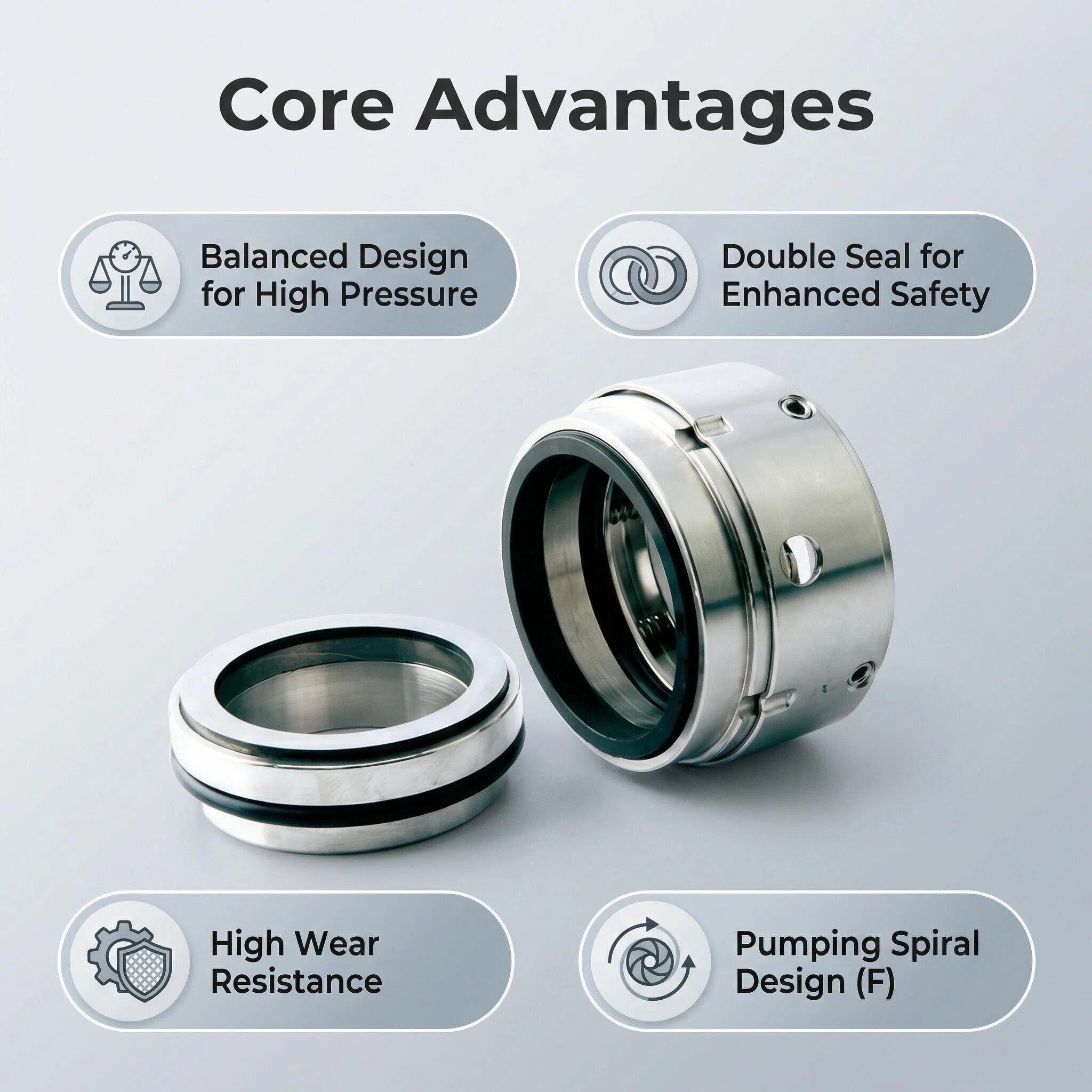
A water pump mechanical seal is one of the most critical components in any pumping system, yet it is also one of the most frequently overlooked during routine maintenance schedules. When this small but precision-engineered component fails, the consequences range from minor leakage to complete pump shutdown, costly repairs, and unplanned downtime. Understanding how to properly maintain a water pump mechanical seal is therefore not optional for operations that depend on consistent fluid handling — it is an essential part of long-term equipment management.
This guide is written for engineers, maintenance technicians, and facility managers who want to extend the service life of their water pump mechanical seal and reduce total cost of ownership over time. Rather than offering a generic overview, this article walks through the specific maintenance practices, inspection methods, environmental considerations, and replacement timing signals that apply directly to mechanical seals used in water pump applications. Whether you are managing HVAC systems, industrial water circuits, or municipal water infrastructure, the principles covered here will help you build a smarter and more proactive maintenance approach.
Understanding How a Water Pump Mechanical Seal Functions
The Basic Operating Principle
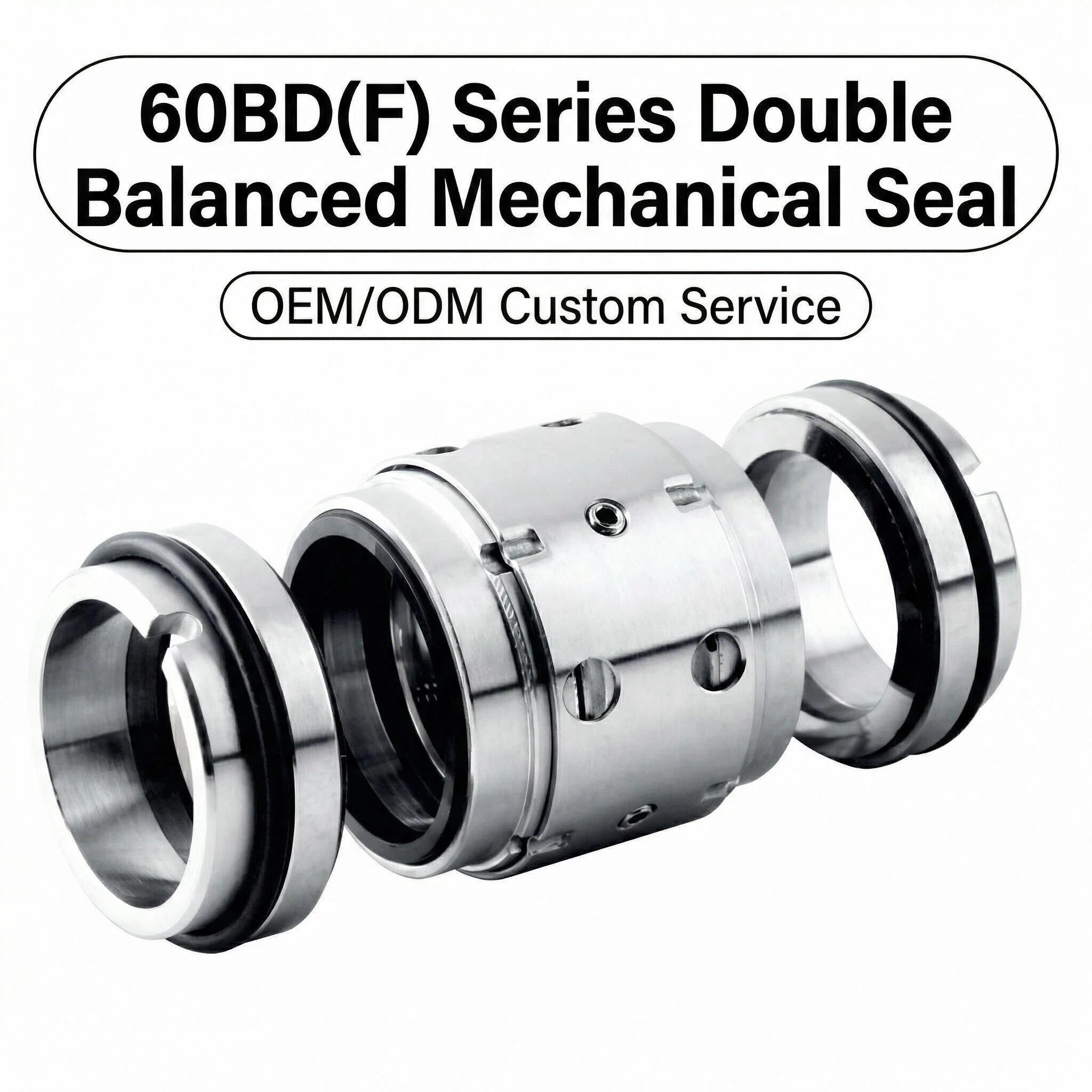
A water pump mechanical seal works by creating a dynamic barrier between the rotating shaft of the pump and the stationary pump housing. It consists of two primary faces — one rotating with the shaft and one fixed to the pump casing — that press together under spring load and hydraulic pressure. The thin fluid film that forms between these two faces is what prevents water from escaping along the shaft. This film also provides lubrication, which is why a dry-running condition is so damaging to the seal faces.
The seal faces are typically manufactured from hard-wearing materials such as silicon carbide, tungsten carbide, or carbon graphite, depending on the application requirements. Secondary sealing elements such as O-rings or bellows prevent leakage at the interface between the seal and the shaft or gland plate. Every element in a water pump mechanical seal assembly contributes to the overall sealing performance, and the failure of any single component can compromise the entire system.
Understanding this operating principle is important because most maintenance errors stem from a misunderstanding of what the seal actually needs to function correctly. A well-maintained seal needs consistent lubrication from the pumped fluid, adequate cooling to prevent thermal damage, and precise alignment to avoid face distortion. Each of these requirements shapes the maintenance routines described in this article.
Common Failure Modes That Maintenance Must Address
The most common reason a water pump mechanical seal fails prematurely is abrasive wear caused by particulate contamination in the pumped fluid. When solids or debris pass between the seal faces, they accelerate surface degradation and destroy the fine surface finish required for effective sealing. This is why fluid cleanliness and the use of appropriate flushing plans are so central to good maintenance practice.
Thermal damage is another frequent failure mode. Excessive heat buildup — often caused by inadequate flow, dry running, or incompatible materials — can cause seal face blistering, O-ring hardening, or stress cracking. A water pump mechanical seal that has been exposed to repeated thermal cycles will show accelerated wear even under otherwise normal operating conditions. Vibration-induced fretting and misalignment damage also fall into this category of preventable failures that regular maintenance can catch early.
Establishing a Preventive Maintenance Schedule
Inspection Frequency and Key Checkpoints
A structured inspection schedule is the foundation of effective water pump mechanical seal maintenance. For most industrial and commercial water pump applications, a visual inspection should be performed at least monthly, with a more detailed mechanical inspection conducted quarterly. High-duty cycle pumps or those handling chemically aggressive or particle-laden water should be inspected more frequently, as operating conditions directly affect seal degradation rates.
During each visual inspection, technicians should look for signs of leakage around the gland area, discoloration or crystalline deposits on the seal chamber exterior, and any unusual vibration or noise during pump operation. These are early indicators that the water pump mechanical seal is under stress or beginning to degrade. Catching these signs early allows for corrective action before full seal failure occurs.
Quarterly mechanical inspections should include checking shaft runout, measuring axial and radial play in bearings, verifying correct spring compression where accessible, and confirming that all seal support systems — such as flush lines, quench connections, or barrier fluid systems — are operating within design parameters. A water pump mechanical seal does not operate in isolation, and the condition of surrounding components has a direct impact on seal performance and longevity.
Documentation and Trending Over Time
Maintaining accurate records of each inspection is not merely a compliance exercise — it is a practical tool for identifying performance trends. When you track the condition of your water pump mechanical seal across multiple inspection cycles, you begin to see patterns that predict failure before it occurs. A seal that consistently shows minor leakage growth over six months, for example, is signaling an impending failure that can be planned for rather than reacted to.
Good documentation should include the date and operating hours at inspection, any observed symptoms, measurements taken, corrective actions applied, and the condition rating assigned by the technician. Over time, this data enables maintenance teams to calculate mean time between failures for specific seal types and pump models, which supports better spare parts inventory planning and more accurate maintenance budgeting. A proactive approach to water pump mechanical seal management always begins with reliable data.
Operational Practices That Protect the Seal
Correct Startup and Shutdown Procedures
One of the most damaging events for a water pump mechanical seal occurs during startup and shutdown if proper procedures are not followed. Dry running — even for a few seconds — can permanently damage seal faces that rely on a fluid film for both lubrication and cooling. Before starting any water pump, the pump casing and seal chamber must be fully primed and vented to ensure liquid contact with the seal faces from the moment the shaft begins to rotate.
During shutdown, the pump should be allowed to decelerate naturally rather than being subjected to sudden stops where possible. Rapid deceleration can generate hydraulic shock that stresses the seal faces and secondary sealing elements. Additionally, if the pump will remain idle for extended periods, it is advisable to periodically rotate the shaft manually and ensure the seal chamber does not become dry. Preserving fluid contact during storage is an important but often overlooked aspect of water pump mechanical seal care.
Managing Operating Conditions Within Design Parameters
Every water pump mechanical seal is designed for a specific range of operating pressures, temperatures, shaft speeds, and fluid characteristics. Operating consistently outside these parameters — even marginally — accelerates wear and shortens service life. Pressure spikes caused by valve operations or system transients, for example, impose repetitive mechanical stress on the seal faces that compounds over time and leads to micro-cracking or face separation.
Temperature management is equally important. In hot water applications or systems with variable thermal loads, ensuring adequate cooling or flushing flow to the seal chamber is critical. Some installations use API-standard flushing plans that introduce clean, cooled fluid directly into the seal chamber to maintain stable thermal conditions around the water pump mechanical seal. Reviewing whether the current flushing arrangement is adequate for actual operating conditions — not just original design conditions — is a key maintenance task that often reveals opportunities for improvement.
Shaft alignment should also be verified periodically. Misalignment between the pump and driver introduces radial forces that cause uneven loading across the seal faces, resulting in accelerated wear on one side and poor sealing on the other. Even a small misalignment of 0.05 mm can significantly reduce water pump mechanical seal life, particularly in higher-speed applications. Laser alignment checks performed during scheduled maintenance intervals are a cost-effective investment compared to the cost of premature seal failure.
Replacing and Reinstalling a Water Pump Mechanical Seal Correctly
Knowing When Replacement Is Necessary
Even with optimal maintenance practices, every water pump mechanical seal has a finite service life. Knowing when to replace the seal — rather than attempting to extend its life beyond reasonable limits — is an important judgment call that affects both operational reliability and total cost. The most obvious replacement trigger is observable leakage that exceeds acceptable limits as defined by system requirements or regulatory standards.
However, replacement should sometimes be planned proactively based on operating hours and historical failure data rather than waiting for visible leakage to appear. If your records show that a particular water pump mechanical seal typically reaches end-of-life at around 18,000 operating hours under your specific conditions, then scheduling replacement at 16,000 hours allows the work to be integrated into a planned shutdown rather than performed as an emergency repair. This approach dramatically reduces unplanned downtime and eliminates the collateral damage that often accompanies catastrophic seal failure.
Handling and Installation Best Practices
Improper handling and installation are responsible for a significant proportion of early water pump mechanical seal failures. Seal faces are precision-lapped to extremely fine tolerances — any contamination, scratching, or thermal shock during installation can destroy this finish before the seal has ever been put into service. Technicians should always handle seal faces with clean gloves, avoid touching the lapped surfaces directly, and inspect each face under good lighting before assembly.
The shaft and seal chamber bore must be cleaned thoroughly before installation. Any residual deposits, rust, or burrs can damage O-rings during assembly and prevent proper seating of the water pump mechanical seal components. O-rings should be lightly lubricated with a compatible lubricant — typically a thin film of clean water or approved grease — to ease installation without causing swelling or chemical degradation.
Spring compression must be set precisely to the manufacturer's recommended dimension. Insufficient compression results in face separation and leakage under operating pressure, while excessive compression increases face wear rates and generates heat. After installation, the shaft should be rotated by hand to confirm that the seal moves freely without binding and that there are no unusual resistance points that could indicate misalignment or incorrect seating. These simple checks take only minutes but can prevent the need for a second disassembly and reinstallation within days of startup.
Environmental and Fluid Considerations in Long-Term Seal Maintenance
Fluid Quality and Its Impact on Seal Life
The quality of the fluid being pumped has a profound and direct influence on how long a water pump mechanical seal will last. Water that contains suspended solids, scale-forming minerals, or chemical additives creates conditions that differ significantly from clean, neutral water. Hard water with high calcium content, for example, can deposit scale on seal components during periods of reduced flow or elevated temperature, causing the moving parts to bind and fail.
Where fluid quality cannot be controlled at the source — as is often the case in municipal water systems or process cooling circuits — appropriate seal support systems should be used. A clean water flush from an external source can be introduced into the seal chamber to displace contaminated process fluid, providing the water pump mechanical seal with a cleaner and more stable operating environment. Filtration of flush fluid to at least 100 microns — and often finer — is recommended to prevent particles from reaching the seal faces.
Environmental Conditions Around the Pump Installation
The ambient environment in which a water pump operates also affects seal maintenance requirements. Pumps installed outdoors or in areas with extreme temperature variation are subject to thermal cycling that affects the elastomeric components of the water pump mechanical seal. O-rings and bellows made from standard EPDM or NBR materials may become brittle or crack under prolonged exposure to UV radiation, ozone, or sub-zero temperatures, leading to secondary seal failures even when the primary faces remain in good condition.
In humid or corrosive environments, the metal components of the seal assembly — including the spring, gland plate, and retaining collar — may be susceptible to corrosion that reduces their structural integrity over time. Regular inspection of these components for rust, pitting, or stress corrosion cracking should be part of the standard maintenance checklist. Selecting seal materials that are appropriate for the specific environmental conditions of each installation is as important as selecting materials for the pumped fluid, and this consideration should be revisited whenever operating conditions change.
FAQ
How often should a water pump mechanical seal be replaced?
Replacement frequency depends on operating conditions, fluid characteristics, and pump duty cycle. Under typical industrial water pump conditions, a water pump mechanical seal may last between 8,000 and 25,000 operating hours. Proactive replacement based on operating hours and historical failure data is recommended over waiting for visible leakage to occur.
What causes a water pump mechanical seal to leak shortly after installation?
Early post-installation leakage is most commonly caused by contaminated or scratched seal faces, incorrect spring compression, improper O-ring lubrication, shaft misalignment, or inadequate priming before startup. Reviewing each of these factors during installation can prevent the majority of early failures in a new water pump mechanical seal.
Can a water pump mechanical seal be repaired instead of replaced?
In most cases, a failed water pump mechanical seal should be replaced rather than repaired. Seal faces that have been damaged by wear, thermal shock, or chemical attack cannot be reliably restored to the precise surface finish required for effective sealing. Attempting to reuse damaged faces typically results in rapid re-failure. However, individual secondary sealing components such as O-rings or springs can sometimes be replaced independently if the primary faces remain in acceptable condition.
How does shaft misalignment affect water pump mechanical seal performance?
Shaft misalignment causes non-uniform loading across the seal faces, which leads to uneven wear, intermittent face separation, and vibration-induced fretting of the secondary seals. Even minor misalignment — below 0.1 mm — can significantly reduce the service life of a water pump mechanical seal in high-speed applications. Regular laser alignment checks are one of the most cost-effective measures for extending seal life in pumping systems.