
 EN
EN
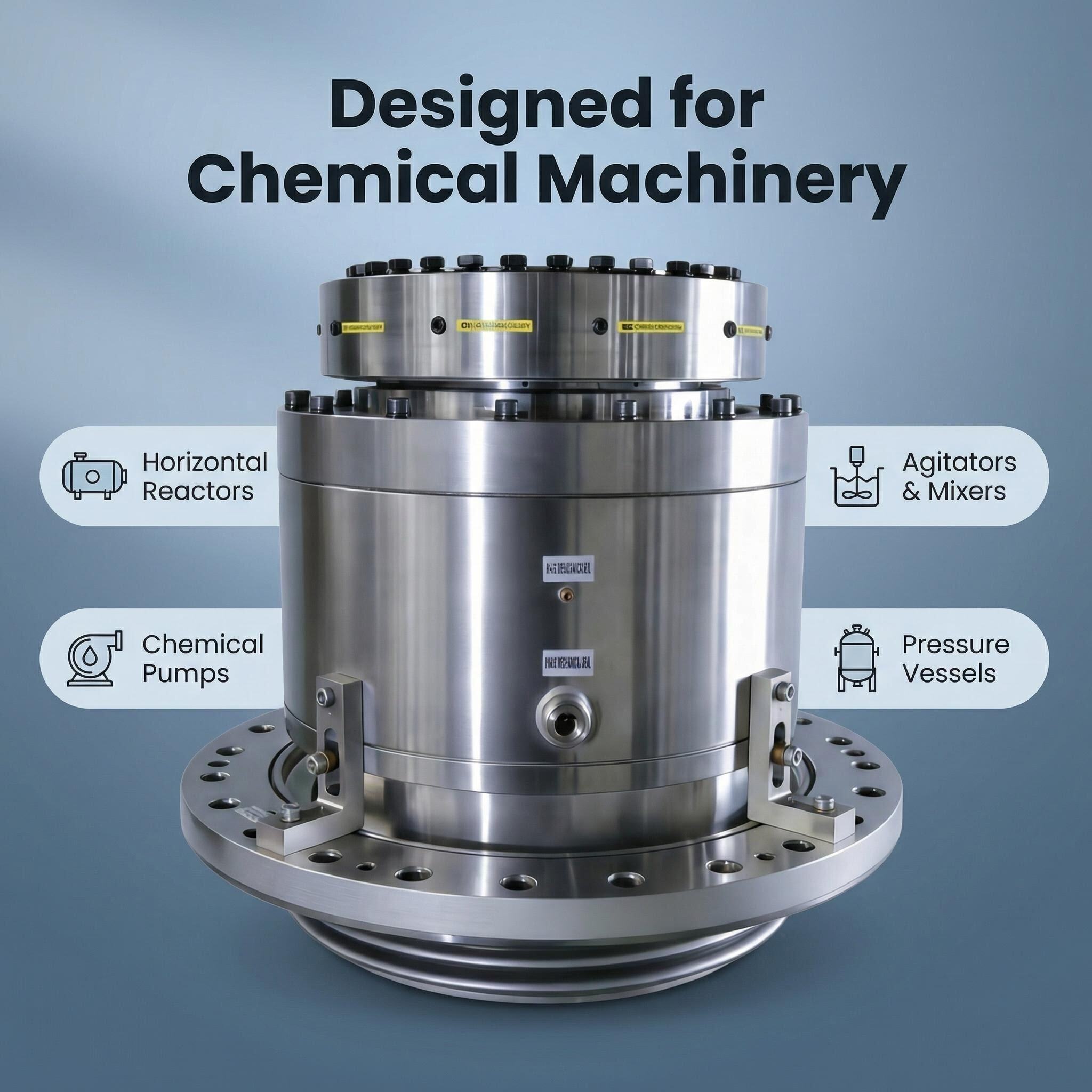
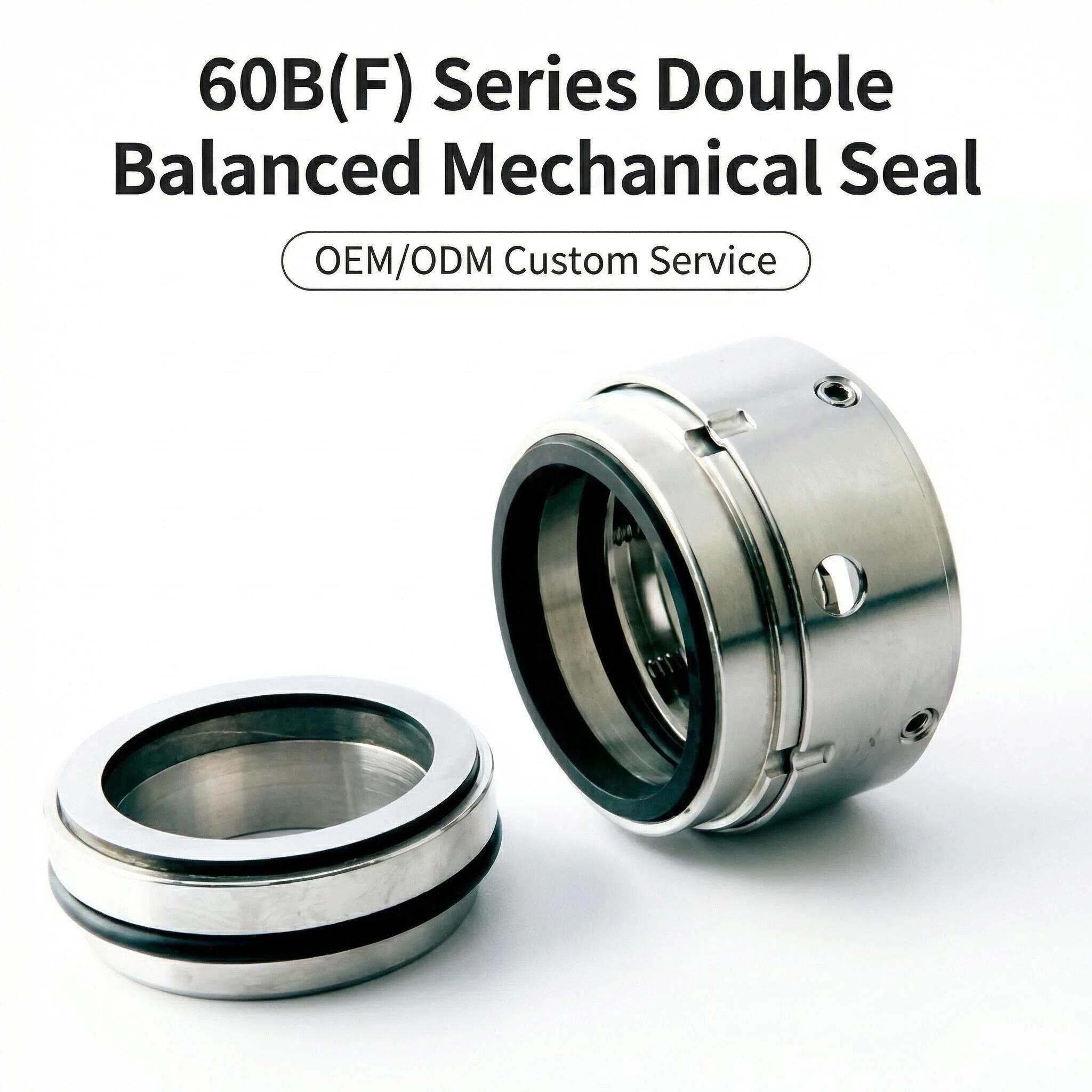
When it comes to maintaining reliable, leak-free performance in industrial and commercial pump systems, few components carry as much responsibility as water pump mechanical seals. These precision-engineered components sit at the heart of every rotating pump assembly, preventing fluid from escaping along the shaft while enduring constant mechanical stress, thermal cycling, and chemical exposure. Yet despite their critical role, the importance of material selection for water pump mechanical seals is frequently underestimated — often until a premature failure brings an entire system to a halt.
Material selection is not a secondary engineering consideration — it is, in fact, the primary determinant of whether water pump mechanical seals will deliver long service life or fail under operational demands. The right combination of face materials, elastomers, and metallic components can mean the difference between years of trouble-free operation and costly, disruptive maintenance cycles. This article explores exactly why material selection is so decisive and how engineers and procurement professionals can make better-informed choices for their specific applications.
The Functional Demands Placed on Water Pump Mechanical Seals
Understanding the Operating Environment
Water pump mechanical seals operate in environments that would degrade most materials rapidly if the wrong choice is made. They are simultaneously exposed to fluid pressure from the pumped medium, axial and radial shaft forces, rotational friction between the seal faces, and temperature extremes that can range from near-freezing in chilled water systems to well above 100°C in hot water or process applications. Each of these stressors acts on the seal material continuously and in combination.
The sealing faces — the two primary contact surfaces that prevent leakage — must maintain a precise, near-microscopic film of fluid between them for lubrication while simultaneously forming a barrier against bulk leakage. This requires materials with exceptional flatness retention, hardness, and thermal stability. Without the correct face material pairing, even minor operational deviations can result in accelerated wear, thermal cracking, or sudden face separation.
Secondary sealing elements such as O-rings, bellows, and gaskets must flex and compress under temperature and pressure swings without losing elasticity or chemically degrading in contact with the pumped fluid. The metallic hardware — springs, glands, and drive collars — must resist corrosion from both the process fluid and the surrounding atmosphere. Each of these functional demands points directly back to material selection as the master variable in seal performance.
Why Generic Material Choices Fall Short
A common misconception in industrial procurement is that water pump mechanical seals are largely interchangeable as long as the dimensional specifications match. In reality, two seals with identical dimensions but different material compositions can have wildly different service lives in the same application. A seal fitted with the wrong elastomer may swell or harden in contact with a mildly chemical-laden water stream, losing its sealing integrity within weeks rather than years.
Generic or off-the-shelf seal assemblies often use the most cost-effective material combinations available, which may not align with the specific demands of high-performance water pump systems. In applications involving elevated temperatures, abrasive particulates, or fluctuating pH levels, these generic water pump mechanical seals will consistently underperform. Recognizing this gap is the first step toward making material selection a deliberate, application-specific engineering decision.
Seal Face Materials and Their Impact on Performance
Silicon Carbide: The High-Performance Standard
Among the most widely used face materials in high-performance water pump mechanical seals is silicon carbide (SiC). This ceramic material offers an exceptional combination of hardness, thermal conductivity, and chemical resistance. Its hardness makes it highly resistant to abrasive wear, which is particularly valuable in water systems that carry fine particulates, suspended solids, or mineral scaling agents. In demanding pump applications, silicon carbide face pairings — where both the rotating and stationary faces are made of SiC — provide outstanding durability.
There are two main grades of silicon carbide used in water pump mechanical seals: reaction-bonded silicon carbide and sintered silicon carbide. Sintered SiC has higher purity and superior chemical resistance, making it the preferred choice for aggressive or chemically reactive water systems. Reaction-bonded SiC is more economical and still performs excellently in clean water or mildly contaminated applications. The choice between these grades should be driven by the specific chemistry and cleanliness of the pumped fluid.
The thermal conductivity of silicon carbide is another critical advantage. In high-speed pump applications, the seal faces generate heat through friction. A face material with good thermal conductivity dissipates this heat more effectively, reducing the risk of thermal shock, distortion, and premature failure. This makes silicon carbide particularly suited for water pump mechanical seals operating at high shaft speeds or under conditions of intermittent dry running.
Carbon Graphite: Versatility and Self-Lubrication
Carbon graphite is another foundational material in the design of water pump mechanical seals, often used as the softer counterface against harder materials like silicon carbide or tungsten carbide. Its inherent self-lubricating properties are a major asset — carbon graphite requires only a very thin fluid film between the seal faces to operate effectively, reducing the risk of dry running damage during momentary flow interruptions or startup conditions.
The grade and density of carbon graphite directly affect its performance in water pump mechanical seals. Higher-density grades offer improved mechanical strength and reduced porosity, which is important in preventing fluid ingress into the seal face material itself. Antimony-impregnated carbon grades provide enhanced chemical resistance and are commonly specified for industrial water pump applications where occasional exposure to mild acids or alkalis is anticipated.
However, carbon graphite has its limitations. It is relatively brittle compared to ceramic materials, making it vulnerable to mechanical shock or mishandling during installation. It also has a lower hardness rating, meaning that in highly abrasive water streams, a carbon graphite face will wear more rapidly and require more frequent inspection or replacement. Understanding these trade-offs is essential for engineers specifying water pump mechanical seals for challenging duty cycles.
Elastomer and Secondary Seal Material Considerations
NBR, EPDM, and Viton: Matching Elastomers to Water Chemistry
The elastomers used in water pump mechanical seals — primarily as O-rings, shaft sleeves, and bellows — are equally critical to long-term sealing performance. Nitrile rubber (NBR) is the most common general-purpose elastomer, offering good mechanical properties and compatibility with clean water and many lubricating fluids. It is cost-effective and widely available, making it the default choice in standard water pump mechanical seals for clean water applications.
EPDM (ethylene propylene diene monomer) rubber is the preferred elastomer when the pumped water contains chemicals such as chlorine, ozone, or mild alkaline solutions — conditions frequently encountered in municipal water treatment or HVAC systems. EPDM has excellent resistance to oxidizing agents and UV exposure, giving it a service advantage in outdoor or chemically treated water applications. For water pump mechanical seals in these environments, specifying EPDM over NBR can dramatically extend service life.
Viton (FKM fluoroelastomer) is the high-performance choice when elevated temperatures or concentrated chemical exposure is involved. Its resistance to a wide range of chemicals and its ability to maintain elasticity at temperatures exceeding 200°C make it the standard specification for high-temperature hot water pump systems. While Viton-based water pump mechanical seals carry a higher material cost, the extended service intervals and reduced risk of catastrophic failure make them a cost-effective choice over the full system lifecycle.
The Role of Metal Components in Seal Integrity
The metallic components of water pump mechanical seals — springs, gland plates, drive pins, and retaining hardware — must also be carefully selected based on the operating environment. Stainless steel grades such as 316 stainless are the most commonly specified metals, offering a practical balance of corrosion resistance and mechanical strength for the majority of industrial water pump applications. However, in highly corrosive water systems, higher-alloy grades or non-metallic alternatives may be necessary.
Spring design and material also influence seal performance. Hastelloy or Inconel spring materials offer superior corrosion resistance in aggressive chemical environments, preventing the spring element from weakening or fracturing due to stress corrosion cracking. A failed spring in a water pump mechanical seal means loss of closing force on the seal faces, which directly results in leakage. Selecting the appropriate spring material is therefore just as important as selecting the face or elastomer materials.
How Material Mismatches Lead to Premature Seal Failure
Chemical Incompatibility and Its Consequences
One of the most common root causes of premature water pump mechanical seal failure is chemical incompatibility between the seal materials and the pumped fluid. When an elastomer material is not chemically compatible with the fluid it contacts, it will either swell — losing its dimensional accuracy and sealing force — or harden and crack, allowing leakage pathways to develop. Both failure modes can occur even in water systems that appear chemically benign, particularly when additives, biocides, or descaling agents are periodically introduced.
Similarly, seal face materials that are chemically reactive with the pumped medium will experience accelerated corrosive wear or surface pitting. In water systems with elevated chloride content, for example, certain grades of carbon graphite may experience increased porosity over time, degrading their sealing effectiveness. Identifying these compatibility risks during the specification phase — rather than after installation — is a primary reason why material selection demands thorough upfront engineering analysis.
Thermal Mismatch and Thermal Shock Failure
Temperature cycling in water pump systems creates significant thermal stress on mechanical seal components. When materials with mismatched coefficients of thermal expansion are used together, repeated heating and cooling cycles generate internal stresses that lead to cracking, face distortion, or loss of press fits between components. This type of failure is particularly insidious because the seal may appear intact at ambient temperature while having developed micro-fractures that only become apparent under operating conditions.
High-performance water pump mechanical seals designed for thermal stability require careful matching of face material pairs and careful selection of metallic components with compatible expansion characteristics. In applications involving hot water or steam condensate, the risk of thermal shock — caused by a sudden introduction of cold water into a hot running seal — must also be factored into the material specification. Resilient face material grades and robust elastomer choices are the primary safeguards against thermal shock damage.
Making the Right Material Selection Decision
Application Data as the Foundation for Specification
Selecting the correct materials for water pump mechanical seals begins with a thorough characterization of the application. The key data points required include the nature and chemistry of the pumped fluid, operating temperature range, shaft speed and pressure, the presence of solids or abrasives, and any intermittent operating conditions such as dry running or rapid start-stop cycles. Without this foundational application data, even the most experienced seal engineer cannot make a confident material recommendation.
It is also important to consider the maintenance environment and the skill level of the personnel who will be installing and servicing the water pump mechanical seals. Some high-performance material combinations, while technically superior, require more careful handling during installation to avoid damage. A seal specification that is technically optimal but frequently damaged during installation may deliver worse real-world results than a more forgiving alternative. Balancing technical performance with practical operational considerations is part of comprehensive material selection.
Lifecycle Cost vs. Initial Cost in Material Decisions
One of the most important shifts in industrial thinking around water pump mechanical seals is the move from initial-cost to lifecycle-cost evaluation. A seal assembly using premium silicon carbide faces, Viton elastomers, and high-alloy metallic components will cost significantly more at the point of purchase than a standard seal with carbon/ceramic faces and NBR O-rings. However, if the premium seal lasts three to five times longer in a demanding application, the lifecycle cost per operating hour is dramatically lower.
Unplanned downtime is also a major cost factor that favors high-performance water pump mechanical seals. In industrial water systems, a seal failure that causes unscheduled production downtime can generate costs far exceeding the value of the seal itself. When viewed through this lens, investing in precisely matched material selection for water pump mechanical seals is not a luxury — it is a sound engineering and financial decision that reduces total cost of ownership across the system's service life.
FAQ
What are the most important material properties to consider when selecting water pump mechanical seals?
The most important properties include chemical compatibility with the pumped fluid, hardness and wear resistance of the seal faces, thermal stability across the operating temperature range, and the corrosion resistance of metallic components. For elastomers, flexibility retention and chemical resistance are the primary selection criteria. Each of these properties must be evaluated against the specific conditions of the application rather than relying on generic recommendations.
Can water pump mechanical seals in clean water applications use standard material combinations?
In genuinely clean, neutral-pH water applications at moderate temperatures and speeds, standard material combinations such as carbon graphite against ceramic with NBR O-rings and 304 stainless steel hardware can perform adequately. However, even in apparently clean water systems, it is important to verify water chemistry, temperature, and operating cycles before defaulting to standard materials. Many systems that appear benign contain trace chemicals or experience operational conditions that favor higher-specification water pump mechanical seals.
How does abrasion affect water pump mechanical seals and which materials resist it best?
Abrasion from suspended particles in the pumped fluid accelerates face wear, causing increased leakage rates and eventual seal failure. Silicon carbide is the most effective face material for resisting abrasive wear in water pump mechanical seals, particularly when both the rotating and stationary faces are made from SiC. This hard-on-hard pairing minimizes the material removed per cycle by abrasive particles, extending service life significantly compared to softer face material combinations.
How often should material specifications for water pump mechanical seals be reviewed?
Material specifications should be reviewed whenever there is a change in the pumped fluid composition, operating temperature, shaft speed, or system pressure. They should also be reviewed following any pattern of early seal failures, as repeated failures are frequently an indicator that the current material specification is no longer suitable for the actual operating conditions. For long-running systems, a periodic engineering review of water pump mechanical seals every two to three years is a prudent best practice.
Table of Contents
- The Functional Demands Placed on Water Pump Mechanical Seals
- Seal Face Materials and Their Impact on Performance
- Elastomer and Secondary Seal Material Considerations
- How Material Mismatches Lead to Premature Seal Failure
- Making the Right Material Selection Decision
-
FAQ
- What are the most important material properties to consider when selecting water pump mechanical seals?
- Can water pump mechanical seals in clean water applications use standard material combinations?
- How does abrasion affect water pump mechanical seals and which materials resist it best?
- How often should material specifications for water pump mechanical seals be reviewed?