
 EN
EN
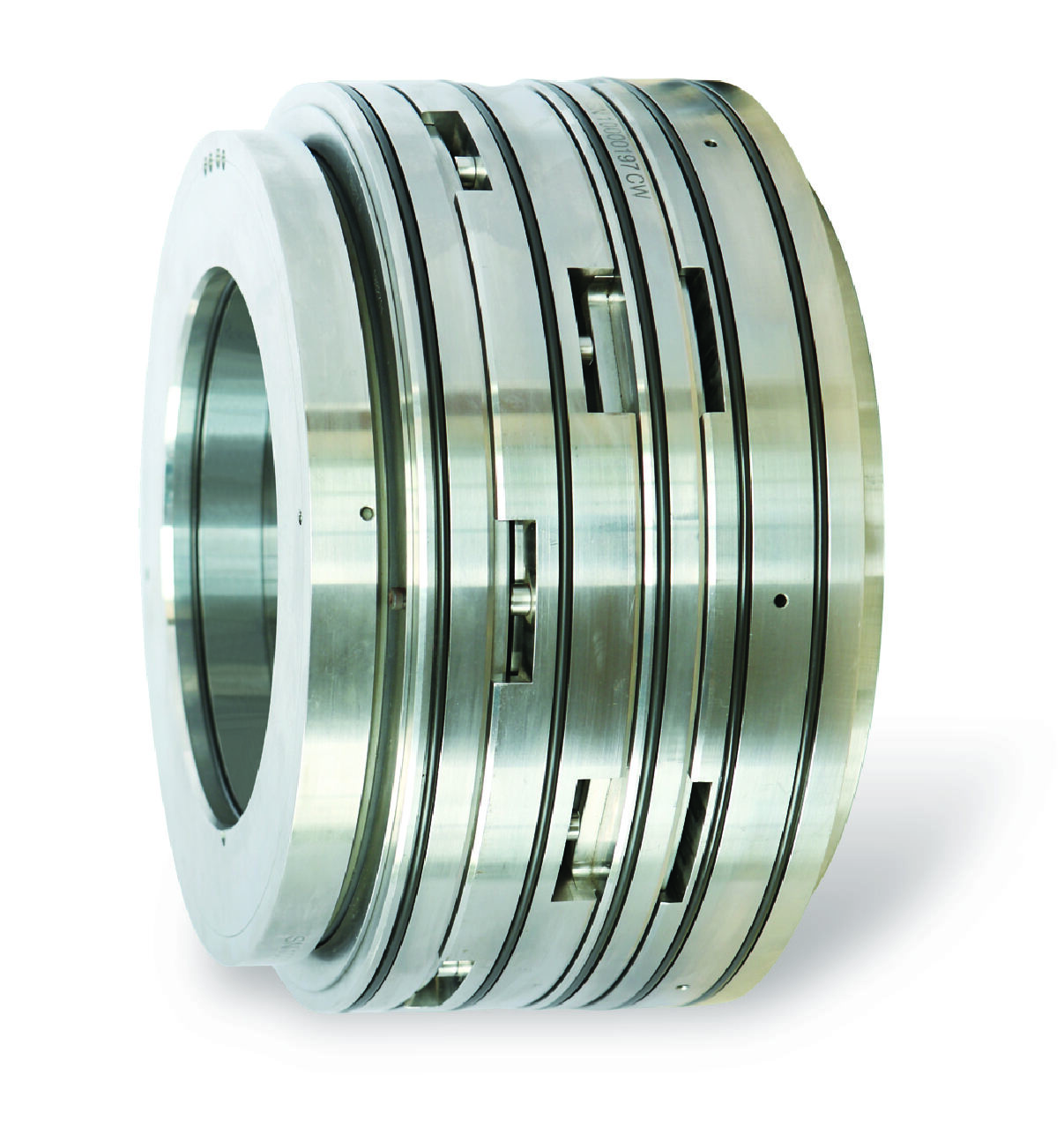
Understanding High-Pressure Mechanical Seal Fundamentals
What Defines a High-Pressure Mechanical Seal?
High pressure mechanical seals do a great job keeping process fluids contained in rotating equipment when pressures go beyond 1,500 psi or around 103 bar. At this point, regular seals start failing because they can't handle things like axial loading, face distortion problems, and those nasty thermal runaways that happen at extreme pressures. The good news is these specialized seals are built with solid structural designs and made from tough materials such as tungsten carbide or silicon carbide. These materials stand up to face pressures well over 400 psi without deforming. When we compare them to their low pressure counterparts, there's a clear difference in how they're constructed. High pressure versions focus on maintaining structural integrity even when faced with intense hydraulic forces and sudden changes in load distribution across the system. Most engineers will tell you API 682 remains the gold standard for testing these seals. It sets out rigorous requirements that manufacturers must meet before claiming their products work properly in actual industrial settings where pressures really matter.
Core Components and Operating Principles
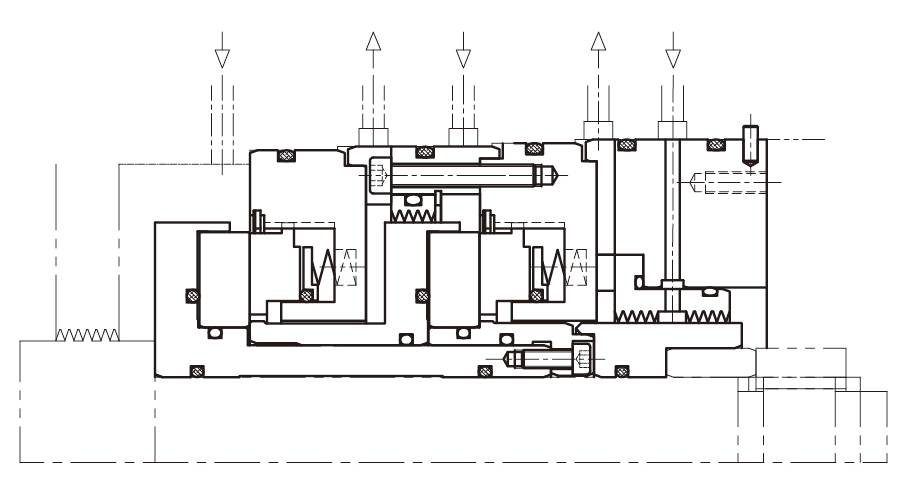
Four interdependent elements form the foundation of every high-pressure mechanical seal:
- Primary Sealing Faces: A rotating face contacts a stationary counterpart with flatness held within 2 helium light bands (¼0.4 microns), establishing the critical fluid barrier.
- Secondary Seals: O-rings or elastomeric bellows accommodate shaft misalignment and thermal expansion while sealing the periphery.
- Spring Mechanism: Multiple springs or metal bellows deliver consistent, pressure-responsive closure force—critical during vibration or transient pressure spikes.
- Hardware: Retainers and gland plates maintain precise axial and radial alignment under sustained mechanical load.
The system works through something called hydrodynamic lubrication where a very thin layer of fluid forms between surfaces. This allows just enough leakage to keep things cool without letting those parts actually touch each other directly. Good design incorporates steps into the geometry that help balance out the hydraulic forces. These features can cut down on how hard the components press together by around 35 percent. Keeping pressures manageable is crucial because when temperatures get really high, say about 5,000 pounds per square inch, materials tend to overheat quickly. By maintaining proper pressure levels, we not only avoid excessive heat buildup but also significantly prolong how long these systems will last before needing maintenance or replacement.
Critical Design Considerations for High-Pressure Applications
Face Geometry, Materials, and Pressure Balancing
The reliability of components under extreme pressure really comes down to two main factors: precision geometry and advances in material science. When surfaces are flatter than 0.4 microns Ra, they perform much better. Engineers also design special surface features like spiral grooves that actually create lift when fluid moves across them, which cuts down on friction by around 60% compared to regular flat surfaces. For materials, most manufacturers go with either silicon carbide or tungsten carbide because these substances have hardness ratings above 1,800 HV. They resist chemical damage too and can handle loads well over 10,000 psi without breaking down. The way pressure is balanced makes a big difference as well. By adjusting balance ratios between 65% and 85%, engineers cancel out the forces pushing against seal faces. This prevents warping that would otherwise lead to serious leaks. A recent study published by ASME in 2024 showed that properly balanced seals last nearly 68% longer when subjected to repeated cycles of 5,000 psi pressure than their unbalanced versions do.
Thermal Management and Stability at Elevated Loads
When operating under pressures above 5,000 psi, the temperature at seal faces often goes beyond 300 degrees Celsius, which leads to quick deterioration unless proper heat control measures are implemented. Using dual cooling channels along with materials that conduct heat well like diamond reinforced composites helps cut down thermal gradients by around 45 percent according to tests from API 682 standards. Getting the thermal expansion rates right between different parts matters just as much. If these rates don't match up properly at pressure levels reaching 8,000 psi, this mismatch actually causes nearly 90 percent of early component failures. Modern sealing solutions now incorporate axial flexibility features such as flexible bellows or special retainers designed to handle thermal changes. These improvements have been shown to extend equipment lifespan approximately two and a half times longer in tough conditions found within refineries and chemical plants where extreme temperatures are common.
Selecting the Right High-Pressure Mechanical Seal for Your System
Matching Seal Type to Process Conditions (e.g., API 682 Arrangements)
Choosing the right seal design means matching it to what the system actually faces day to day: pressure levels, operating temperatures, and how aggressive the media is. When dealing with pressures over 200 PSIG, particularly when handling things like volatile hydrocarbons or gritty slurries, going with dual mechanical seals according to API 682 standards (think Plan 52 or 53) becomes really important. These setups create a protective layer between the main seal and whatever's going on in the process, so there's no direct contact with those intense pressures that could lead to major failures. For steam services running hot above around 260 degrees Celsius, metal bellows seals tend to work better than rubber ones because they handle heat much better and won't suffer from compression set issues over time.
Key Specification Parameters: Pressure Rating, Speed, and Media Compatibility
Media abrasiveness further dictates hard-face pairing: silicon carbide demonstrates superior resistance to particulate-laden flows in mining slurry pumps, whereas tungsten carbide offers better toughness in high-impact, lower-pH environments.
Installation, Maintenance, and Troubleshooting Best Practices
Installation demands strict adherence to manufacturer specifications—including shaft alignment within ±0.002 inches and contamination control—since even minor deviations amplify stress concentrations at high pressure. Post-installation, schedule maintenance checks every 500 operational hours, focusing on leakage trends, vibration signatures, and face wear pattern analysis. For rapid diagnostics:
- Excessive leakage typically signals face misalignment, damaged secondary seals, or loss of barrier fluid pressure in dual-seal arrangements.
- Unusual heat generation (surface temperature 120°F/49°C) points to insufficient lubrication, blocked cooling paths, or incorrect balance ratio.
- Premature wear most often stems from abrasive ingress, improper flush plan selection, or unbalanced hydraulic loading.
Proactive maintenance reduces failure rates by 65%, according to Machinery Lubrication (2023). Pairing root-cause analysis with structured performance logging—tracking pressure transients, temperature excursions, and intervention history—increases mean time between failures (MTBF) by 40% and enables predictive replacement scheduling.
FAQ
What is a high-pressure mechanical seal?
A high-pressure mechanical seal is designed to keep process fluids contained within rotating equipment operating at pressures above 1,500 psi (around 103 bar). They are constructed with robust materials like tungsten carbide or silicon carbide to withstand high-pressure environments and prevent issues like axial loading and thermal runaway.
What are the key components of a high-pressure mechanical seal?
High-pressure mechanical seals comprise primary sealing faces, secondary seals (such as O-rings), a spring mechanism, and hardware like retainers and gland plates. These components work together to maintain a stable seal under high-pressure conditions.
How can I ensure the proper functioning of high-pressure mechanical seals?
Ensure the seal's surface finish, balance ratio, and material hardness meet recommended thresholds. Regularly check for excessive leakage, manage thermal expansion rates, and conduct scheduled maintenance to maintain optimal performance.
How do I select the right seal for my system?
Choose seals based on your system's pressure levels, operating temperatures, and media characteristics. Match seal types and arrangements, like API 682 standards, to specific process requirements for optimal performance.