
 EN
EN
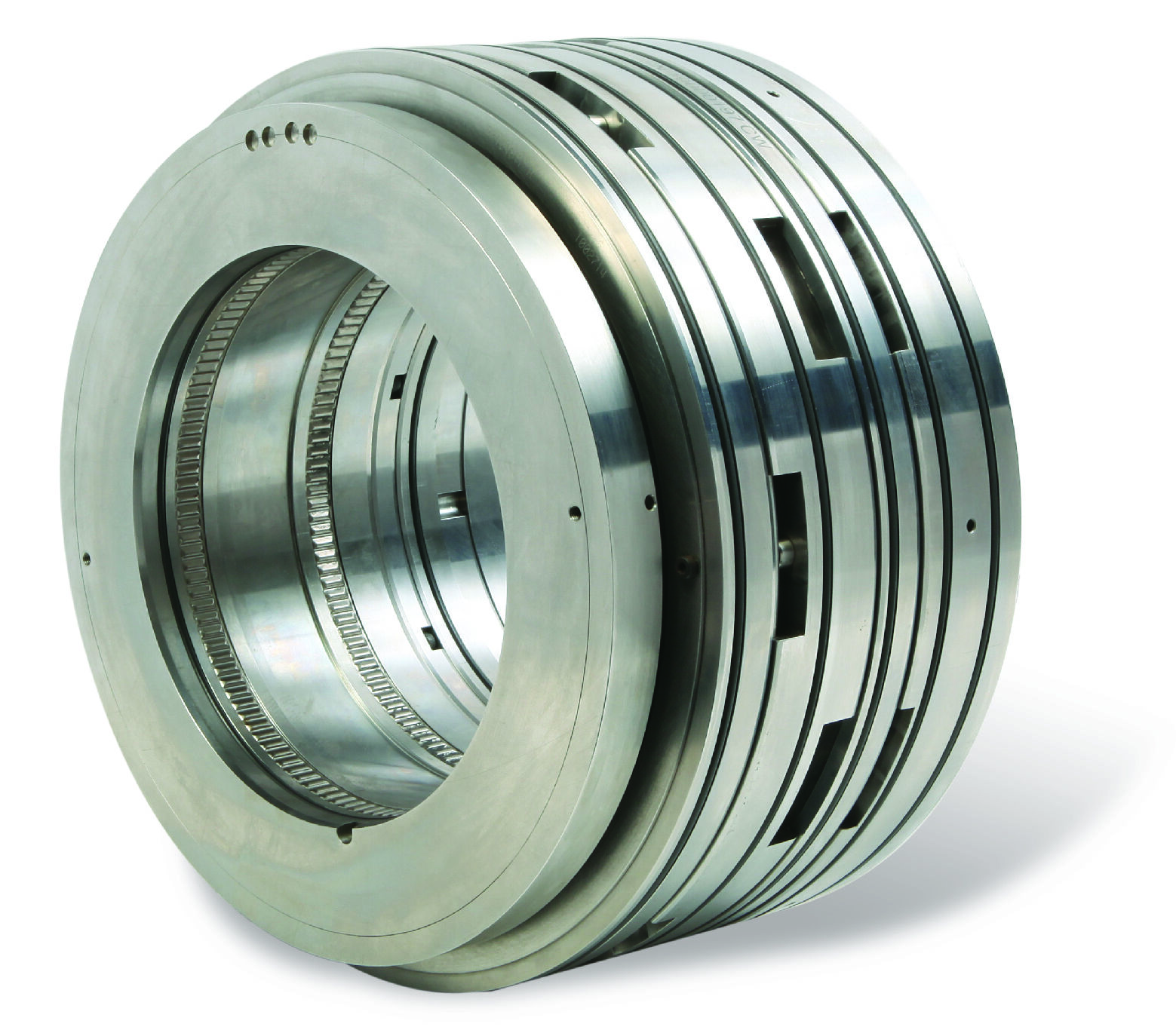
High-Pressure Mechanical Seals: Hydraulic Stability via Advanced Double Seal Configurations
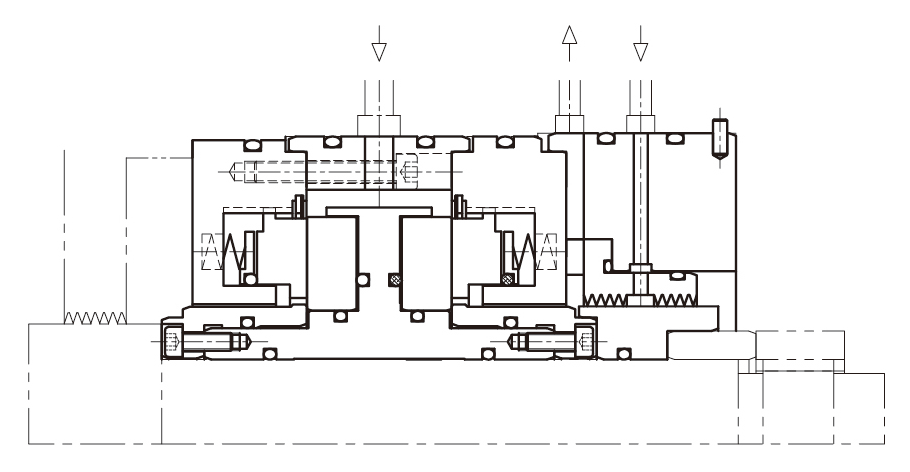
Unstable Face Contact and Thermal Distortion Above 20 MPa
When operating above 20 MPa, mechanical seals start showing serious instability problems because of uneven hydraulic loading that causes face deflection issues. The heat generated from friction creates temperature differences that distort the seal surface beyond 0.3 micrometers, which is actually enough to break the protective fluid film between parts. Once this film gets damaged, wear happens much faster and leakage increases significantly, sometimes by as much as 15% in refinery pump applications. To combat these challenges, engineers have developed advanced double-seal systems with better face geometry design. These improved designs help maintain even pressure distribution across the whole sealing area, making them more reliable under extreme conditions.
Staged Pressure Containment and Hydraulic Balance in Tandem Arrangements
In tandem seal setups, hydraulic stability comes from how pressure gets contained in stages. The main seal takes on around 80% of the system pressure, leaving the secondary seal to manage whatever remains, helped along by barrier fluid. This split actually cuts down face loading by about 40%. That makes a real difference because it helps prevent material from being squeezed out and keeps stress levels stable across the interface. For proper hydraulic balance, engineers look at specific ratio numbers usually somewhere between 0.65 and 0.75. These figures are outlined in the third edition of API RP 682, a standard many professionals rely on when designing systems that need to handle serious pressure conditions reliably.
Case Study: Dual-Seal System Implementation in Petrochemical Hydrocrackers
One major player in fluid machinery recently put tandem seals to work in their hydrocracker charge pumps running at around 25 MPa pressure levels. Their setup combined staged pressure containment alongside continuous monitoring of barrier fluids plus automatic pressure adjustments. The results were impressive: fugitive emissions plummeted nearly 92 percent while the average time between equipment failures stretched out to 28 months. What really matters though is how the backup seal kept working even when the main seal started to fail. This meant no sudden breakdowns and allowed technicians to schedule repairs rather than dealing with unexpected shutdowns that disrupt operations.
High-Performance Face Materials for Reliable High-Pressure Mechanical Seal Operation
Wear and Micro-Fracturing Limitations of Conventional Carbon Faces
Regular carbon faces might be cheap but they just don't cut it when operating pressures go over 20 MPa for long periods. The problem is their brittleness causes tiny cracks to form whenever there's repeated mechanical stress, and if there happen to be any abrasive particles floating around in the system, those little cracks get worse real fast. Things get even worse at temperatures above 150 degrees Celsius because the carbon starts breaking down thermally, which weakens the whole structure until it eventually fails. Because of all these issues, carbon simply won't work in today's high pressure mechanical seals where operators need something reliable enough to keep things running safely without leaking emissions into the environment.
Crack Resistance in Silicon Carbide–Tungsten Carbide Composites and DLC Coatings
The combination of silicon carbide and tungsten carbide creates materials that resist cracking better than standard carbon options while maintaining stability at high temperatures. This comes from how their crystal structures lock together at microscopic levels. These materials can handle pretty serious stress too, staying intact even when subjected to forces over 250 megapascals. Add Diamond-Like Carbon (DLC) coatings to these composites and things get really interesting. The DLC layer cuts down on friction by around 40 percent and stops those annoying surface flakes we call spalling. Field tests show equipment parts made with this hybrid approach last about three times longer in refinery operations and petrochemical processing plants. The improved durability helps maintain stable hydraulic films between moving parts and keeps emissions within required limits, something plant managers confirm after running these materials through proper testing procedures according to ISO 21049 guidelines.
Precision Manufacturing and Metrology-Driven Quality Control for High-Pressure Mechanical Seals
Impact of Face Flatness Deviations (0.1 µm) on Load Distribution and Failure
When face flatness goes beyond 0.1 microns, it messes up how pressure spreads evenly across the seal surface. This creates spots where stress builds up locally, which speeds up wear and causes tiny cracks to form over time. For equipment running at pressures above 20 MPa, these kinds of flaws can lead to problems with hydraulic stability and heat distortion. Some real world tests show failure rates jump around 60% higher in rotating machinery when this happens. To get those sub-micron levels of flatness, manufacturers typically rely on precision grinding techniques. They check the results with laser interferometry methods to make sure contact pressure stays consistent and proper film forms even in tough operating conditions.
Linking Sub-0.02 µm Surface Roughness (Ra) to Stable Hydraulic Film Formation
Getting surface roughness (Ra) down under 0.02 microns really matters when it comes to creating and maintaining that stable hydraulic film between seal surfaces. The super smooth finish cuts boundary friction almost half compared to regular finishes out there, which helps maintain laminar flow patterns and keeps heat from building up too much. To check these Ra numbers, engineers typically run white light interferometry tests, something that confirms whether the surface meets those strict quality standards set forth in ISO 11439 for critical sealing applications. When seals actually hit this spec, they tend to last around 30 percent longer in service. Why? Because they avoid those dry running situations and stop adhesive wear from becoming the main reason seals fail, especially under pressure where most problems occur anyway.
FAQ
What are the main issues with mechanical seals operating above 20 MPa?
Mechanical seals face instability above 20 MPa due to uneven hydraulic loading, which can cause face deflection and thermal distortion, breaking the protective fluid film and accelerating wear and leakage.
How do tandem seal setups improve hydraulic stability?
Tandem seal setups improve stability by staging pressure containment; the main seal handles most of the pressure, reducing face loading by about 40% and ensuring hydraulic balance.
What are the drawbacks of conventional carbon faces in high-pressure applications?
Conventional carbon faces are prone to cracking under stress and degrade thermally at high temperatures, making them unsuitable for high-pressure applications.
Why are silicon carbide–tungsten carbide composites preferred in high-pressure mechanical seals?
These materials offer superior crack resistance and high-temperature stability, making them reliable under stress conditions over 250 MPa, especially with the added benefit of DLC coatings.
How does precision manufacturing affect high-pressure mechanical seals?
Precision manufacturing ensures face flatness and surface roughness within specified limits, which is crucial for maintaining hydraulic stability and extending the lifespan of mechanical seals.
Table of Contents
- High-Performance Face Materials for Reliable High-Pressure Mechanical Seal Operation
- Precision Manufacturing and Metrology-Driven Quality Control for High-Pressure Mechanical Seals
-
FAQ
- What are the main issues with mechanical seals operating above 20 MPa?
- How do tandem seal setups improve hydraulic stability?
- What are the drawbacks of conventional carbon faces in high-pressure applications?
- Why are silicon carbide–tungsten carbide composites preferred in high-pressure mechanical seals?
- How does precision manufacturing affect high-pressure mechanical seals?