
 EN
EN
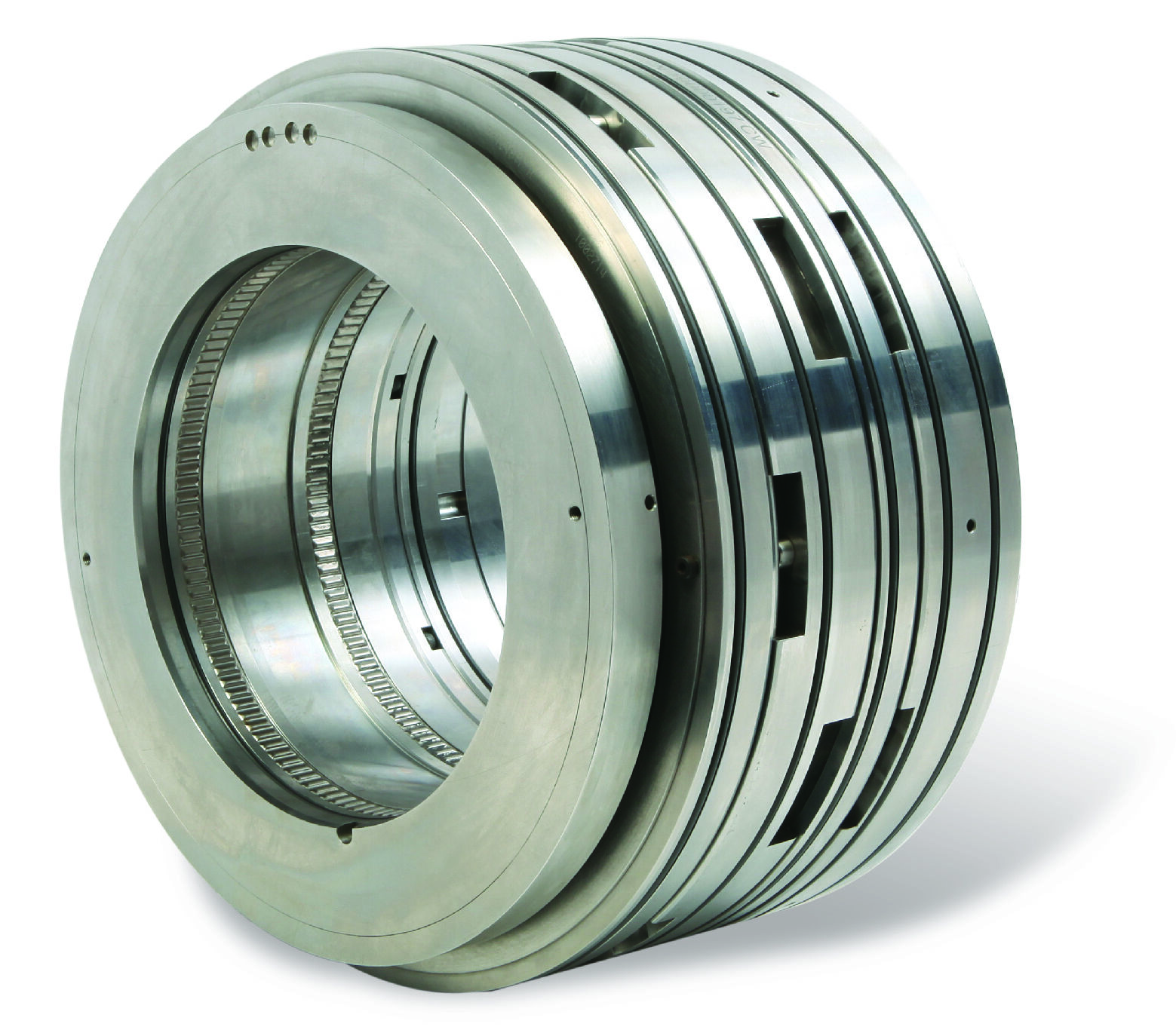
The Critical Need for Reliable Leak Prevention in High-Pressure Mechanical Seal
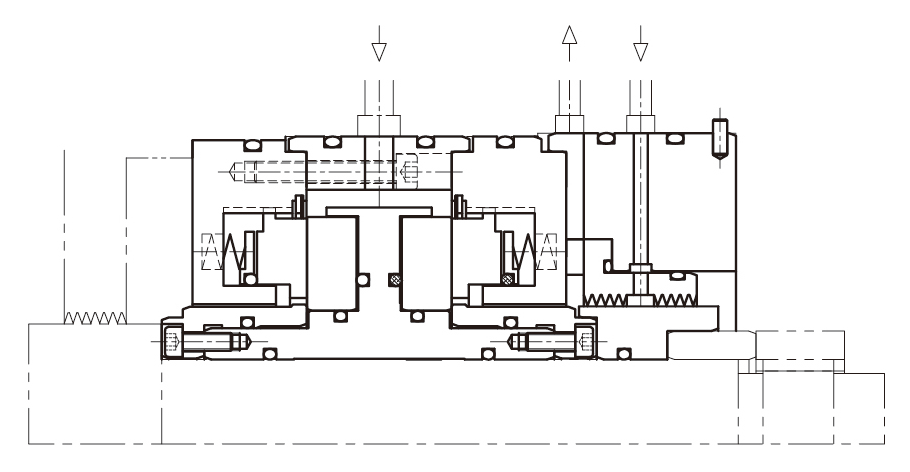
Systems running at pressures above 10,000 psi are common in places like oil refineries, deep sea energy operations, and hydraulics plants. These setups absolutely need reliable leak prevention measures. When a seal fails unnoticed, the consequences can be disastrous. Industrial plants typically lose around $740,000 each time there's unexpected downtime according to Ponemon research from last year. And if hydrocarbons escape into the environment, companies might end up paying over $60,000 per barrel spilled in areas with strict regulations. Safety becomes another major concern too. Workers could face serious dangers from sudden pressure releases or exposure to harmful substances. Traditional sealing methods just don't hold up well against repeated stress cycles. Pressure changes happening faster than 5,000 psi per minute cause materials to break down over time. This problem gets worse in systems dealing with gritty stuff like drilling muds, where particles get inside and wear out seals about three times quicker than when working with clean fluids, as noted by the Fluid Sealing Association in their 2024 report. Looking at how things actually work on site, regular rubber seals and compression fittings simply won't keep liquids contained in these tough conditions. With standards such as ISO 15848 getting stricter about what emissions are allowed, many facilities find themselves under increasing pressure to switch to better engineered sealing solutions that truly prevent leaks even during intense pressure swings, temperature changes, and all sorts of mechanical stresses.
How High-Pressure Mechanical Seals Achieve Zero-Leak Integrity
Dual-Stage Balancing and Hydrodynamic Lift Design
Mechanical seals designed for high pressure keep their leak-free performance thanks to something called dual-pressure balancing. This system spreads out the axial forces over two separate stages, cutting down face loading by around 70% when compared to older single stage models according to Fluid Sealing Association data from 2023. At the same time, those tiny engineered grooves create what's known as hydrodynamic lift. They form a stable fluid film about 3 microns thick, which stops parts from touching each other even when the shaft moves out of alignment. The whole package works so well that leakage stays under 0.01 ml per minute at pressures exceeding 100 bars. Plus, these seals last much longer before needing replacement, with failure intervals increasing nearly 2.5 times over conventional designs.
Material Synergy: Silicon Carbide vs. Tungsten Carbide Under Dynamic Loads
The extreme hardness of silicon carbide at around 2600 HV makes it really good at resisting those pesky abrasive particles that float around in process streams. Tungsten carbide on the other hand has this nice property called fracture toughness measuring about 10 MPa√m which helps it handle pressure spikes well beyond 420 bar. When these materials are used together in rotating and stationary faces, something interesting happens. Their different strengths work together to keep seal faces flat even when temperatures swing wildly between minus 40 degrees Celsius and a scorching 260 degrees Celsius. This kind of stability keeps things running smoothly for much longer periods. Pump reliability studies actually show that centrifugal compressors need replacements 40% less often when using this combination, which is pretty impressive if you ask me.
Proven Performance: Real-World Validation of High-Pressure Mechanical Seals
Offshore Subsea Pump Application: 42 MPa Operation with <0.001 g/h Leakage Rate
Mechanical seal systems operating under high pressure have proven themselves dependable even in tough underwater conditions where depths go beyond 500 meters. These seals kept running non-stop for 14 months at pressures around 42 MPa or roughly 6,100 psi, while keeping leakage down to just 0.001 grams each hour. To put that into perspective, this means only about a teaspoon worth of fluid would be lost over the course of a whole year during vital operations. The seals hold up remarkably well against intense pressure differences and constant contact with salt water. When there's less chance of fluids getting inside, maintenance crews see about 78% fewer problems with corrosion eating away at pump components according to recent findings published in Subsea Engineering Journal back in 2023.
Optimizing Total Cost of Ownership with High-Pressure Mechanical Seals
Looking at sealing economics means thinking about everything that happens after buying something too. High pressure mechanical seals actually turn what used to be a cost center into something valuable for operations. These seals are built tough with features like dual stage pressure balancing plus hydrodynamic lift technology, which keeps them completely leak free even when pressures exceed 42 MPa. That kind of reliability stops those expensive production stoppages we all dread. According to industry research published in Plant Engineering last year, unexpected downtime hits processing plants at around $250k every single hour. So when leaks force plant shutdowns, the financial damage is massive. The real value comes from avoiding losses not just in products but also from potential environmental violations and workplace accidents. Many companies have seen their insurance premiums drop significantly after switching to these advanced sealing solutions, sometimes saving hundreds of thousands in potential liabilities down the road.
New materials such as silicon carbide compared to traditional tungsten carbide can extend maintenance intervals threefold in abrasive service environments. This translates to roughly 40% savings on labor expenses and significantly lower spare parts stock requirements for most operations. The geometry of optimized seal faces makes a real difference too, cutting down energy usage somewhere around 12 to 15 percent simply by reducing friction losses during operation. Looking at the bigger picture, these seals last longer and help avoid compliance issues, so many facilities find their return on investment happens pretty quickly, usually within about a year and a half. Beyond being just another part to install, high pressure mechanical seals actually serve as smart investments that build stronger operational foundations over time.
FAQ Section
Why are high-pressure systems prone to leaks?
High-pressure systems face rapid pressure changes, material stress, and abrasive particles in their operations, which can wear out seals quickly and lead to leaks.
How do mechanical seals prevent leaks in high-pressure systems?
Mechanical seals use dual-stage balancing and hydrodynamic lift designs to manage pressure and reduce friction, allowing them to maintain leak-free integrity even under high pressure.
What materials are used in high-pressure mechanical seals?
Silicon carbide for its extreme hardness and tungsten carbide for its fracture toughness are commonly used, providing a balanced synergy to withstand dynamic loads and temperature variations.
What are the economic benefits of high-pressure mechanical seals?
These seals can reduce downtime, lower maintenance costs, decrease energy usage, and help avoid compliance issues, offering long-term cost savings and quick ROI for facilities.
Table of Contents
- The Critical Need for Reliable Leak Prevention in High-Pressure Mechanical Seal
- How High-Pressure Mechanical Seals Achieve Zero-Leak Integrity
- Proven Performance: Real-World Validation of High-Pressure Mechanical Seals
- Optimizing Total Cost of Ownership with High-Pressure Mechanical Seals
- FAQ Section