
 EN
EN
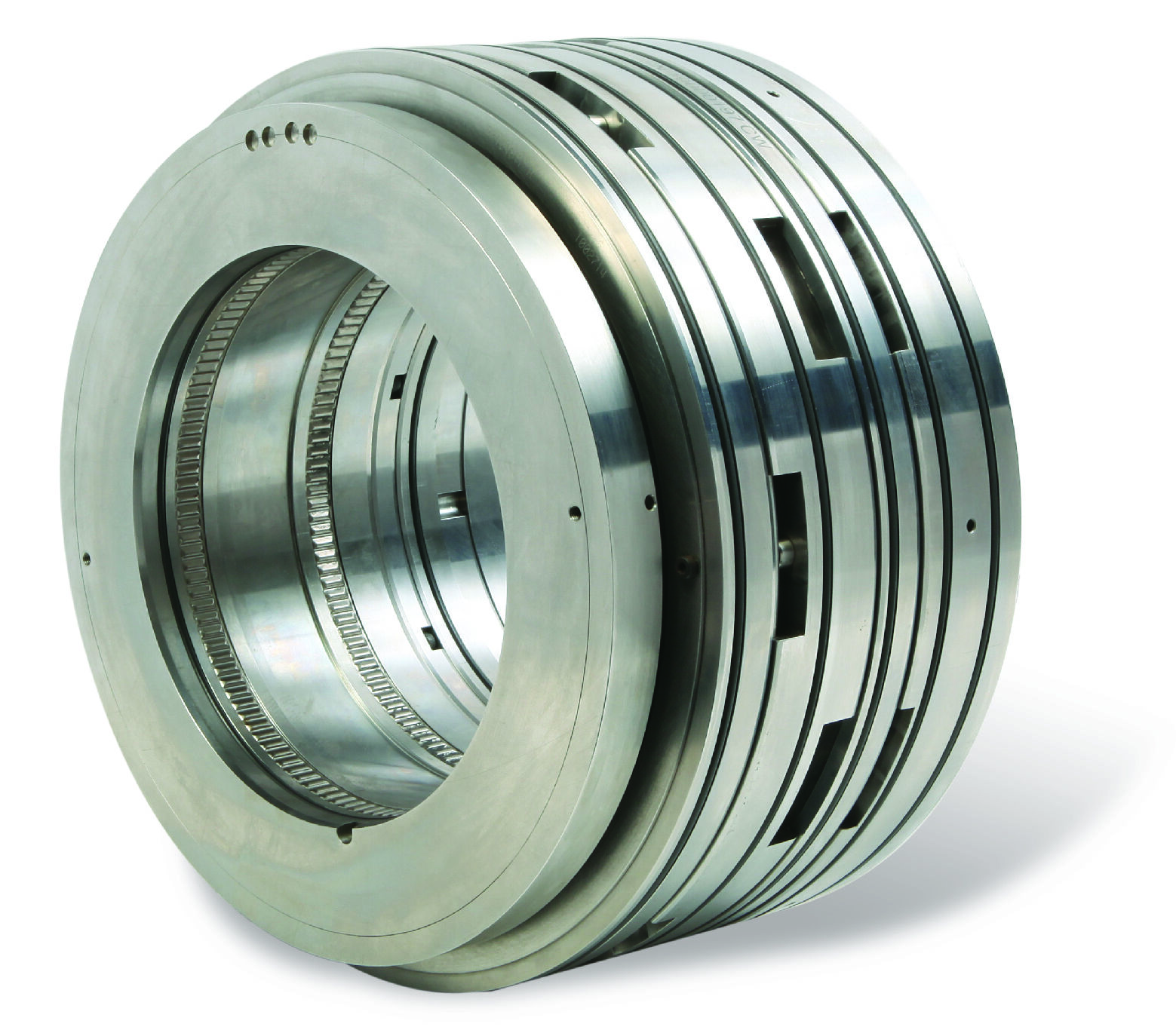
Core Reliability Mechanisms of High-Pressure Mechanical Seals
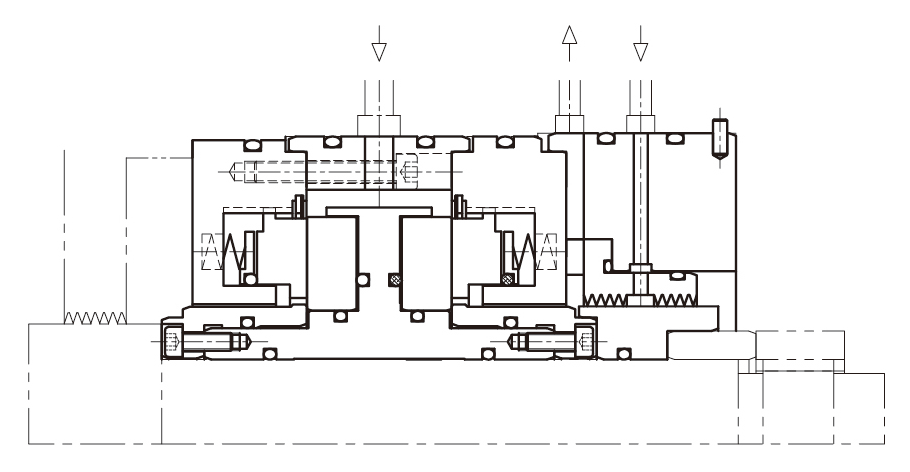
Leak Prevention in Dynamic High-Pressure Regimes (10 MPa)
Mechanical seals designed for high pressure stop leaks by balancing hydraulic forces that counteract differences in pressure over 10 MPa. When axial forces are spread evenly across the seal surfaces, the system maintains good contact between parts even when there are sudden pressure spikes or vibrations from rotation. This matters a lot in tough environments where pumps move dangerous substances like volatile chemicals or extremely hot steam. The balanced forces also help keep things cool because too much friction creates heat. Materials start breaking down at around 150 degrees Celsius, so controlling temperature is really important for preventing leaks. Flexible metal bellows act as backup seals in these systems. They adjust to movements in the shaft caused by changing loads without creating new places where fluid could escape, which makes them essential components in reliable sealing solutions.
Wear Resistance: Friction Control and Surface Fatigue Life at 20–50 MPa
Resistance to wear when dealing with extreme pressure depends largely on both the materials used and how surfaces are engineered. Tungsten carbide pairs find common application in slurry services where pressures reach around 30 MPa. These materials achieve Vickers hardness values above 1,500 HV which helps them stand up against damage from abrasive particles. When laser texturing is applied to face surfaces, it creates what's called micro-hydrodynamic lift. This actually lowers the friction coefficient during boundary lubrication conditions down below 0.05. The result? Fatigue life gets extended past 25,000 operating hours because cracks don't start forming as easily under repeated loading cycles. Tests have shown something pretty remarkable too: ultra smooth surface finishes with Ra measurements under 0.1 micrometers reduce adhesive wear rates by about two thirds compared to regular finishes when subjected to 50 MPa loads. This clearly shows why controlling surface quality so precisely matters so much for ensuring components last longer in service.
Material and Structural Innovation for Extreme-Condition Performance
Tungsten Carbide vs. Silicon Carbide: Thermal Conductivity, Hardness, and Interface Stability
Tungsten carbide (TC) and silicon carbide (SiC) each bring something special to the table when it comes to sealing under extreme conditions. Tungsten carbide stands out because it can handle impacts really well, with fracture toughness around 15 to 20 MPa√m. That makes it great for systems where there's a lot of shock loading, especially when pressures go above 20 MPa. On the other side of things, silicon carbide has something TC doesn't – excellent thermal conductivity, about 40% better actually. This helps get rid of the heat generated at those rotating parts where friction builds up. The result? Face flatness stays within just 0.0003 inches even after running continuously at temperatures hitting 300°C, which cuts down on those annoying thermal cracks. And let's not forget the hardness factor either. At over 2500 HV, SiC resists wear from particles in fluids much better than most materials. Industry folks are now combining these two materials using gradient bonding techniques. By merging TC's strength with SiC's heat handling properties, these new hybrid seals last about 60% longer in boiler feed pumps compared to older designs that used only one material or the other. Makes sense why manufacturers are getting excited about this development.
Metal Bellows Design: Eliminating Secondary Seals and Enhancing Axial Flexibility
The biggest headache in high pressure systems has always been those pesky elastomeric secondary seals. Industry data shows they cause around 70% of early failures when pressures exceed 10 MPa. Metal bellows technology tackles this problem head on. Made from one solid piece of corrosion resistant alloy such as Hastelloy and built using welding instead of assembly techniques, these components eliminate possible leak spots and handle compression forces reaching up to 50 MPa. The unique accordion shape gives them about three times more flexibility along the axis compared to regular spring loaded options. This means better face contact even during sudden pressure changes that happen all the time in oil and gas compressor operations. For facilities dealing with hydrogen sulfide rich environments, operators report maintenance cycles stretching out roughly 18 months with metal bellows versus just weeks for conventional seals that tend to break down quickly because of material permeation issues and chemical damage over time.
Validated High-Pressure Mechanical Seal Applications Across Critical Industries
Boiler Feed Pumps: Managing Cyclic Pressure Spikes and Cavitation-Induced Loads
Boiler feed pumps face serious cyclic stresses including pressure surges exceeding 20 MPa and damaging cavitation forces that wear away seal faces through tiny implosions. To tackle these problems, high performance seals now incorporate hardened silicon carbide surfaces along with specially designed hydrodynamic wave patterns that maintain the integrity of the fluid film when conditions change suddenly. These advanced features stop the pump from running dry during quick load shifts and also handle the different rates at which rotating parts expand compared to fixed components as temperatures fluctuate. Real world testing across various power plants has demonstrated about a 60% drop in seal related failures for these improved pumps versus older models, especially noticeable during startup periods when pressure variations can reach frequencies around 35 Hz.
Oil & Gas Compressors: Resilience to H₂S, pH Extremes, and Transient Overpressure Events
Mechanical seals used in hydrocarbon processing face some serious challenges at once. They need to handle hydrogen sulfide levels over 5,000 parts per million, deal with drastic pH changes ranging from extremely acidic to highly alkaline conditions, and survive sudden pressure surges hitting as high as 50 megapascals. Better quality seal designs now combine tungsten carbide faces with nickel alloy bellows structures, which means no rubber components are needed anymore. These metal only constructions stop harmful gas penetration while still allowing proper movement when pressures spike for about half a second, often going way beyond what's normally expected. Field tests following NACE MR0175 guidelines show these improved seals last almost 80% longer before needing replacement in compressor applications dealing with sour gases. This makes them much more reliable compared to older seal technologies that just couldn't keep up with such harsh environments.
FAQ
What are mechanical seals and why are they important?
Mechanical seals are devices used to prevent leakage between rotating and stationary components in various systems, especially those involving high pressures. They are crucial in maintaining the integrity of the system by preventing fluid leaks, extending the life of components, and reducing maintenance costs.
How do high-pressure mechanical seals prevent leaks?
High-pressure mechanical seals prevent leaks by balancing hydraulic forces that counteract pressure differences, thus maintaining good contact between sealing surfaces even amidst pressure spikes or vibrations.
What materials are commonly used in high-pressure seals?
Materials such as tungsten carbide and silicon carbide are commonly used due to their wear resistance, thermal conductivity, and hardness. These materials effectively withstand high pressures and temperatures, providing reliability and durability.
What industries benefit the most from high-pressure mechanical seals?
Industries like oil and gas, chemical processing, power generation, and any sector dealing with hazardous or volatile substances benefit significantly from using high-pressure mechanical seals, given their ability to handle extreme conditions and extend maintenance cycles.