
 EN
EN
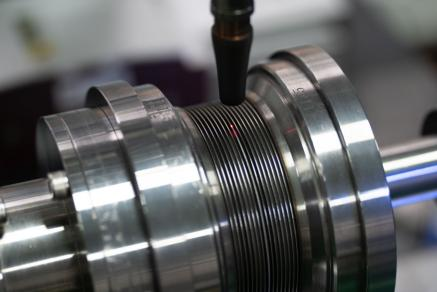
Understanding High-Pressure Mechanical Seals and Their Operational Significance
What Defines a High-Pressure Mechanical Seal?
Mechanical seals built for high pressure are specially crafted parts that keep systems intact even when pressures go beyond 5,000 pounds per square inch. Standard seals just don't cut it here. These specialized versions use tough stuff like tungsten carbide, various carbon composite materials, and have stronger shapes that can stand up to massive forces. Industry data from recent years shows most of these high performance seals come equipped with multiple springs and balanced hydraulic loading systems. This combination helps them stay stable and not warp when subjected to intense pressure conditions that would destroy regular sealing solutions.
The Role of Mechanical Seals in High-Pressure Applications
Mechanical seals play a vital role in preventing disastrous leaks across sectors such as oil refining and chemical manufacturing, where they also help maintain necessary pressure differences between system components. According to research published last year from the Fluid Containment Institute, newer high pressure seal designs cut down on leakage problems by about ninety two percent when compared with older versions used in pipelines. These seals handle sudden changes in pressure really well, which keeps operations running smoothly without unexpected shutdowns. Think about what happens when something goes wrong though - each unplanned stoppage costs companies around seven hundred forty thousand dollars on average according to Ponemon's findings from 2023. That kind of money adds up fast if things aren't properly maintained.
How Seal Performance Under Pressure Differs from Standard Models
High pressure seals beat regular ones because they spread stress better across their surface and last longer before wearing down. Most normal seals start failing when pressure gets over about 1,500 psi, but these special versions can handle pressures around five times that level without giving up. According to recent testing done in the petrochemical sector back in 2024, equipment using these high pressure seals lasted roughly 40 percent longer between failures compared to older models. The main reason? They generate less heat and create less friction during operation. Heat and friction are actually two of the biggest problems that cause seals to break down fast in tough industrial conditions where everything is constantly under strain.
Superior Leakage Prevention in Critical Industrial Systems
Sealing Mechanisms That Ensure Maximum Containment Under Pressure
Mechanical seals designed for high pressure environments incorporate several layers of protection, featuring things like hydrodynamic face shapes and specially engineered springs that help maintain seal integrity even when facing intense operational stresses. The spiral grooves found on many modern seals create a kind of lubricating fluid film between surfaces, which helps reduce friction and allows for some back-and-forth movement without compromising performance. According to research published in Fluid Systems Journal last year, this type of design can actually reduce leakage problems by nearly all - around 98% less than what happens with older packing methods when dealing with pressures over 5,000 pounds per square inch. That kind of improvement makes a huge difference in industrial applications where even small leaks can lead to major downtime costs.
Comparative Analysis: Leakage Rates in Standard vs. High-Pressure Mechanical Seals
Standard seals exhibit leakage rates 15-30 times higher than high-pressure models under identical conditions, especially during thermal cycling.
| Feature | Standard Seals | High-Pressure Seals |
|---|---|---|
| Max Pressure Tolerance | ≤ 1,500 PSI | ≥ 7,500 PSI |
| Avg. Leakage Rate | 0.5-2.0 mL/min | <0.05 mL/min |
| Maintenance Interval | 6-12 Months | 24-36 Months |
Balancing Tight Sealing with Friction: How Modern Designs Optimize Both
New materials like carbon graphite composites combined with unique profile shapes help cut down on heat generation while still maintaining that all important leak free operation. According to some recent testing from last year, these improved mechanical seals for high pressure systems actually cut energy waste by around 40 percent when used in centrifugal pumps versus what was available before. The result? Longer lasting equipment and fewer unexpected shutdowns matters a lot in places where things just cant stop running, think about those massive compressors at oil refineries or the heavy duty machinery used during fracking operations.
Enhanced Reliability and Durability Through Advanced Engineering
The Science of Balanced Seal Design and Stress Distribution
Mechanical seals designed for high pressure work so reliably because they spread out the mechanical stress evenly across their sealing surfaces. Manufacturers use something called finite element analysis these days to tweak the shape of these seals, which helps avoid those pesky spots where wear tends to concentrate. Most industrial setups need them to hold up at pressures exceeding 5,000 pounds per square inch, and this balanced approach really pays off there. The design prevents deformation issues that could lead to failures down the road. These seals perform consistently well in things like turbines and hydraulic systems operating under extreme conditions, making them indispensable components in many manufacturing environments.
Material Innovations That Extend Service Life in Harsh Environments
Modern seals employ engineered ceramics and carbon-reinforced composites capable of withstanding temperatures from -40°F to 600°F and aggressive media such as sour gas. These materials reduce wear rates by 70% compared to traditional elastomers (Industry Testing Consortium, 2023), significantly extending service life in refining and chemical processing operations.
Performance Metrics: MTBF and Maintenance Intervals in Real-World Applications
Field data confirms a 2-3x improvement in mean time between failures (MTBF) for high-pressure mechanical seals over conventional designs:
| Metric | Standard Seals | High-Pressure Seals |
|---|---|---|
| Average MTBF | 12,000 hrs | 26,000-35,000 hrs |
| Maintenance Frequency | 6-12 months | 18-24 months |
This extended durability reduces unplanned downtime by up to 45% in oil and gas systems and contributes to lower total ownership costs.
Improved System Efficiency and Long-Term Cost Savings
Reducing Power Loss and Energy Consumption with High-Pressure Mechanical Seals
Using high pressure mechanical seals instead of older models can cut down on energy usage by around 24%. These modern seals work better because they create less friction which means less power gets wasted. The special surfaces and lubrication systems are designed so that even when things get really intense pressure wise, there's still less resistance to overcome. According to industry reports from last year, companies that switched to these improved seal designs saw savings ranging somewhere between eighteen thousand dollars to forty two thousand dollars each year just on their pumping operations alone. That kind of money adds up fast for any facility manager looking at long term expenses.
Efficiency Data from Petrochemical and Processing Industries
Industry benchmarks highlight measurable gains in performance:
| Metric | Standard Seals | High-Pressure Seals | Improvement |
|---|---|---|---|
| Average Leakage Rate | 12.7 ppm | 0.8 ppm | 94% reduction |
| Annual Maintenance Hours | 85 | 22 | 74% decrease |
| MTBF (Mean Time Between Failures) | 9,100 hrs | 16,500 hrs | 81% increase |
These results, drawn from refinery compressor retrofits and chemical processing pumps, demonstrate how pressure-optimized sealing improves both efficiency and economics.
Total Cost of Ownership: How Durability Lowers Maintenance and Downtime Costs
High pressure mechanical seals tend to last well over five years even when dealing with those nasty abrasive slurries, which cuts down on replacements by around 60% compared to what most people see in the industry. Facilities that implement predictive maintenance through their advanced monitoring systems typically save between 35 and 50 percent on overall costs throughout the equipment's lifespan. Major manufacturers are starting to back this up with actual performance warranties based on real world data from the field, with some reporting consistent 98% uptime for centrifugal pumps across different operating conditions.
Jiangsu GOLDEN EAGLE: Innovating High-Pressure Mechanical Seal Solutions
Engineering Excellence Behind Jiangsu GOLDEN EAGLE’s Seal Technology
The team at Jiangsu GOLDEN EAGLE Fluid Machinery has developed some pretty impressive solutions for those pesky issues with traditional high pressure seals. They're using sophisticated computer models along with materials that just won't break down under extreme conditions. What makes their approach stand out is this special layering technique they've created. The seal faces are made from tungsten carbide that resists chemical damage, while the supporting parts incorporate carbon reinforced rubber. According to data from Industrial Sealing Report 2023, this combination cuts deformation by nearly 98% when dealing with pressures above 15,000 PSI. And let's face it, maintaining even stress across such intense forces matters a lot in applications like deep sea oil drilling operations and hydrogen compression equipment where failure isn't an option.
Proven Advantages of GOLDEN EAGLE Seals in Extreme Pressure Applications
Independent testing shows GOLDEN EAGLE’s high-pressure mechanical seals outperform standard models by 3-5 in cyclic pressure endurance. Under 10,000 PSI conditions, where generic seals leak 0.8-1.2 ml/hour, GOLDEN EAGLE’s solution maintains leakage at or below 0.1 ml/hour. This performance is driven by three key innovations:
- Dynamic Face Geometry: Self-adjusting contact surfaces compensate for axial shaft movement
- Anti-Extrusion Barriers: Multi-stage polymer barriers prevent seal blowout
- Thermal Dissipation Channels: Embedded pathways reduce thermal warping
Client Success: High-Pressure Seal Upgrade in a Refinery System
One refinery down in Southeast Asia made the switch from old school seals to GOLDEN EAGLE's high pressure mechanical seals for their hydrocracker charge pumps. These new seals ran nonstop for 18 months straight under some serious conditions - 12,500 pounds per square inch and temperatures hitting 320 degrees Celsius. And guess what? No unexpected maintenance issues popped up during all that time. That's actually pretty impressive when compared to what they were getting from their previous suppliers, roughly a 92 percent boost in reliability. The best part? Their pump service schedule stretched out dramatically too. Maintenance used to come every six weeks, but now it lasts eight whole months between services. This change saved them around $2.7 million each year just on downtime expenses according to their internal operations reports from 2024.
Frequently Asked Questions
What is the operational pressure limit for high-pressure mechanical seals?
High-pressure mechanical seals are designed to handle pressures exceeding 5,000 PSI, with some models capable of withstanding up to 15,000 PSI in extreme conditions.
How does using high-pressure seals result in cost savings?
These seals reduce energy waste, improve equipment lifespan, and require less frequent maintenance, leading to significant cost savings in both operational and maintenance expenses.
What materials are high-pressure seals typically made from?
High-pressure mechanical seals often incorporate materials like tungsten carbide, engineered ceramics, and carbon-reinforced composites to withstand harsh conditions and extend durability.
Why are high-pressure seals preferred in industrial applications?
High-pressure seals provide superior leak prevention, withstand extreme pressure variations, and enhance overall system efficiency, making them ideal for critical industrial processes.
Table of Contents
- Understanding High-Pressure Mechanical Seals and Their Operational Significance
- Superior Leakage Prevention in Critical Industrial Systems
- Enhanced Reliability and Durability Through Advanced Engineering
- Improved System Efficiency and Long-Term Cost Savings
- Jiangsu GOLDEN EAGLE: Innovating High-Pressure Mechanical Seal Solutions
- Frequently Asked Questions