
 EN
EN
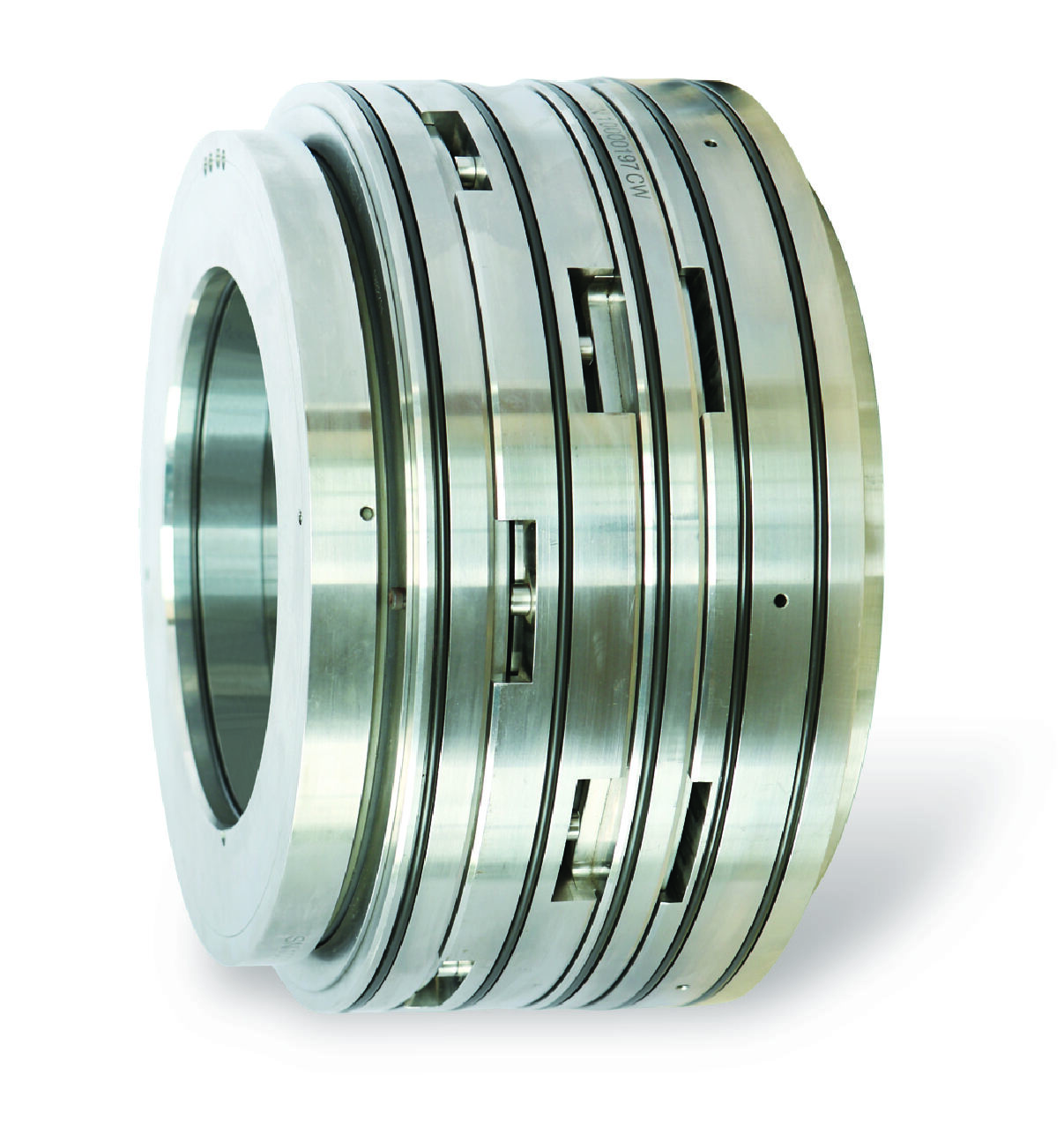
Dry Gas Seal Fundamentals: Definition, Operating Principle, and Key Advantages
Dry gas seals, or DGS for short, work differently from regular mechanical seals. Instead of relying on physical contact, they create a barrier using pressurized gas to stop leaks in rotating machinery like centrifugal compressors. What makes them stand out compared to old school oil-based seals is that there's no actual touching between the moving parts and the stationary components. This happens because of something called hydrodynamic lift. The result? A completely different approach to sealing that just works better over time and requires less maintenance than conventional methods.
How Dry Gas Seals Eliminate Contact Wear Through Hydrodynamic Lift
The spinning surface has tiny spiral grooves that are precision engineered at microscopic levels. When running at normal operating speeds, these special grooves actually suck gas towards the center, creating a thin barrier film around 3 to 5 microns thick between the surfaces. The resulting hydrodynamic effect keeps the parts from touching each other, which means no wear happens during operation. This design allows for dependable performance even when shafts spin over 10,000 rpm according to API 692 standards. Maintenance requirements drop significantly too, with some reports showing as much as a 70% reduction in service calls compared to traditional sealing methods.
Critical Performance Benefits: Zero Lubrication, Low Emissions, and Extended Service Life
- Zero Lubrication: Removes dependency on complex oil systems and eliminates contamination risk in process gas streams
- Emissions Reduction: Achieves leakage rates under 1 ppm, meeting ISO 15848-1 requirements for fugitive emissions control
- Extended Lifespan: Non-contact design supports continuous service for 5–8 years (or 50,000+ hours) without overhaul
- Energy Efficiency: Lower friction reduces power consumption by 3–9% versus wet seals
These advantages directly lower total cost of ownership while advancing sustainability goals across oil and gas, petrochemical, and hydrogen compression applications.
Dry Gas Seal Architecture: Core Components and Their Integrated Function
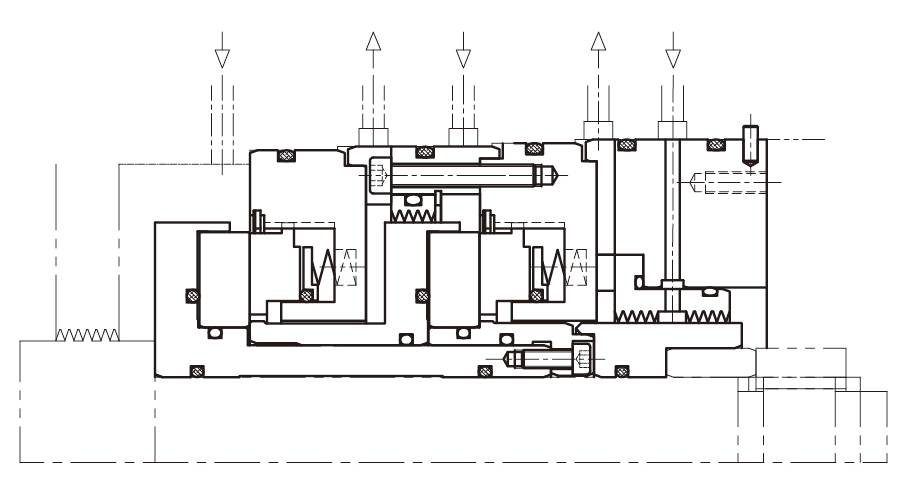
Rotating and Stationary Faces, Groove Geometry, and Buffer Gas Inlet Design
Dry gas seals work because of components that need to be perfectly aligned together. There's the rotating face which sits on top of the compressor shaft, and then there's the stationary face fixed inside the seal housing. These two parts are kept apart by a thin layer of controlled gas. The rotating face actually has spiral grooves etched into it using laser technology. These grooves create what engineers call hydrodynamic lift, which keeps the gap between faces around 3 to 5 microns consistently. The way these parts are shaped allows them to handle pressure differences as high as 25 bar according to ASME standards from 2022. What makes this system so impressive is that it can maintain this non-contact operation stability even when running at incredibly fast speeds like 15,000 revolutions per minute.
The buffer gas inlet brings in either filtered nitrogen or clean process gas under controlled pressure. It does two main things at once: acts as a barrier against leaks and also serves as a coolant. When we position these inlets correctly and design those tapered flow channels properly, it helps spread everything out evenly while keeping turbulence to a minimum. This setup gets us down below 1 part per million for leakage rates. That's pretty impressive actually, about 99.7 percent better than what we see with traditional wet seals according to the latest EPA numbers from 2023.
Dry Gas Seal Integration in Centrifugal Compressors: Workflow, Gas Management, and Monitoring
Buffer Gas Selection (Nitrogen vs. Process Gas) and Pressure Cascade Optimization
Choosing the right buffer gas really comes down to two main factors: whether it works well with other materials and how pure it is. Nitrogen has become the go to option because it doesn't react with most things and plays nicely with different materials, particularly important when dealing with process gases that might have impurities or reactive components mixed in. When operators can clean and test process gas thoroughly against seal materials, they often find that reusing it cuts down both expenses and overall gas needs. Most facilities rely on solid pressure cascade systems to keep things running smoothly. These systems create just enough pressure difference usually around half to one bar higher than what's needed in the process itself to stop unwanted backflow while still making efficient use of gas resources. For maintaining stable films during all sorts of changing conditions, having real time pressure monitoring paired with automatic valve controls isn't just helpful, it's practically mandatory in modern operations.
Leakage Rate Monitoring, Temperature Thresholds, and Predictive Failure Prevention
The primary vent leakage rate stands out as one of the earliest signs something might be wrong with seals. If it keeps going over 5 to 10 SCFM consistently, that's definitely time to take a closer look. Temperature checks matter too, especially around those bearings and right at the seal face area. Running things hot for long periods above 90 degrees Celsius just wears materials down faster than they should. Combine all this data with regular vibration checks and what happens? Well, smart systems start picking up on problems way before actual failures happen. Industry folks have seen some pretty impressive results from this method actually cutting down unexpected shutdowns somewhere between forty and sixty percent across different plants.
FAQ
What are dry gas seals?
Dry gas seals are sealing mechanisms used in rotating machinery, like centrifugal compressors, that use pressurized gas to prevent leaks without physical contact between parts.
How do dry gas seals work?
They rely on hydrodynamic lift created by grooves on the rotating surface. This lift creates a gas barrier, preventing contact and reducing wear.
What are the benefits of using dry gas seals?
The benefits include zero lubrication, low emissions, extended service life, and increased energy efficiency.
What materials are used in dry gas seals?
High-performance materials like silicon carbide are used, which resist thermal degradation and help maintain durability.
How is buffer gas selected for dry gas seals?
Buffer gas is chosen based on compatibility with materials and purity, with nitrogen being a common choice due to its inert nature.