
 EN
EN
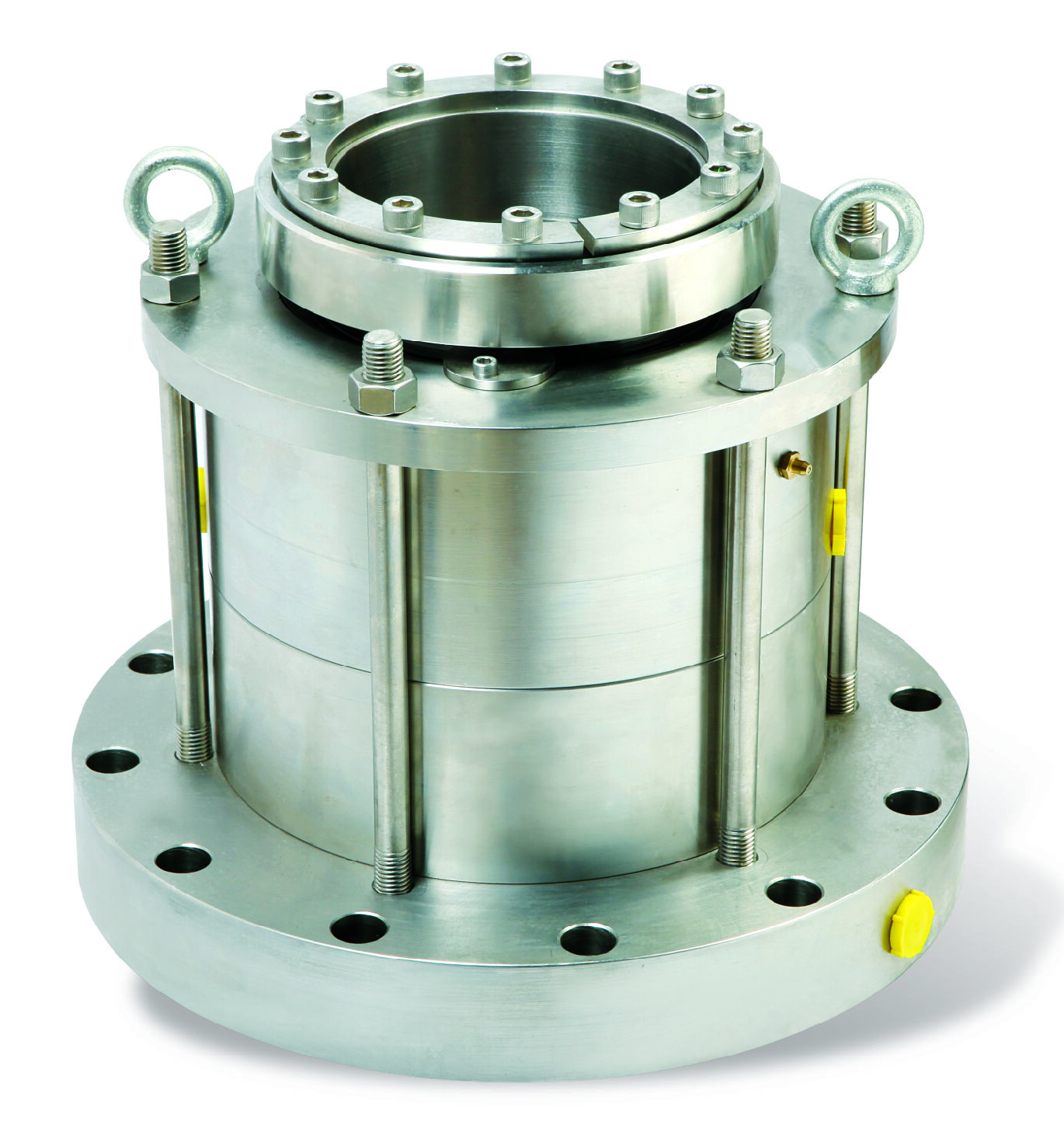
Superior Environmental Performance: Near-Zero Emissions and Regulatory Alignment
Eliminating Fugitive Methane Leaks and Oil-Induced Process Contamination
Dry gas seals stop oil from getting into process streams, which prevents hydrocarbon contamination in important areas such as natural gas compression equipment. When we switch out old oil lubricated seals for these dry gas versions, we basically get rid of those pesky methane leaks. And this matters a lot because methane is about 84 times worse than CO2 when it comes to warming our planet over two decades according to research published in Environmental Research last year. These seals work without touching surfaces directly, so products stay pure and clean. Plus, they cut down on greenhouse gas escape by more than 99 percent when compared with what most plants use now. That kind of improvement makes them worth considering for any facility looking to reduce environmental impact.
Compliance with EPA, EU F-Gas, and ISO 14064 via <0.1 g/h Leakage Rates
Today's dry gas seal technology can keep leakage rates under 0.1 grams each hour, which actually beats many strict international standards out there. We're talking about things like the EPA's Subpart OOOOa rules, the EU's F-Gas Regulation timeline for reducing emissions, plus those ISO 14064 guidelines about tracking emissions properly. Plants that switch to these seals show they meet regulations without needing expensive extra equipment for cleanup. Independent tests back this up too, showing that most facilities maintain those low leakage rates throughout almost all their operating cycles according to a study published in Industrial Emissions Journal last year.
Lower Total Cost of Ownership: Reduced Maintenance, Downtime, and Inventory
40–60% Reduction in Scheduled Outages and Spare Parts Demand (Per API 617 Field Data)
Dry gas seals bring significant cost savings because they change how maintenance works in practice. According to field data referenced in API RP 617 standards, facilities see around 40 to 60 percent fewer scheduled shutdowns and require much less spare parts stock compared to traditional oil-based systems. The design doesn't actually touch moving parts, so there's no issue with oil breaking down over time or leaks happening anywhere. This means companies don't need those complicated oil filters anymore, nor do they have to constantly replace lubricants which saves on labor costs too. Overall, maintenance crews spend about 70% less time working on these systems, and nobody has to deal with unexpected stoppages caused by oil problems anymore.
The operational impact extends beyond immediate repairs:
- Inventory optimization: Elimination of oil seals, cartridge replacements, and lubricant additives reduces warehouse costs by 30–45%
- Downtime prevention: Consistent <0.1 g/h leakage prevents process shutdowns for environmental remediation
- Lifecycle savings: 50% longer mean time between replacements (MTBR) significantly reduces capital spend on spares
Over five years, facilities report 35% lower total cost of ownership despite higher initial investment—validating the economic advantage of dry gas seals in rotating machinery.
Unmatched Reliability and Long-Term Durability in Critical Turbomachinery
Non-Contacting Dry Gas Seal Design Enables 100,000-Hour MTBF
Dry gas seals work differently from traditional ones because they create a tiny layer of gas between moving parts instead of relying on direct contact. This means there's no rubbing surfaces to wear down, no heat damage over time, and definitely no problems with lubricants breaking down. What does this actually translate to? Equipment lasts way longer between breakdowns, sometimes over 100 thousand hours of running before needing attention. When compared to those old oil-based seals, these dry versions handle temperature extremes much better too. They don't suffer from oil getting too thick or thin when it gets hot or cold, nor do they break down when contaminants get mixed in. Real world tests at refineries have shown something pretty impressive actually. After switching to dry gas seals, plants saw about 80 percent fewer unexpected shutdowns, and workers could go three to five whole years between maintenance checks instead of just a couple months. Plus, since nothing leaks into the system, the bearings stay clean and protected from harmful gases that would otherwise ruin their lubrication.
Real-World Validation: 99.98% Uptime in LNG Train Compressor Retrofit
When an LNG facility upgraded its equipment, it showed just how reliable dry gas seals can be during intense operating conditions. The plant swapped out old oil seals for dry gas seals on those big centrifugal compressors working with super cold methane at -160 degrees Celsius. What happened next was impressive: these units ran almost nonstop for three whole years, clocking in at about 99.98% uptime. That means less than two hours lost each year to unexpected shutdowns. Before this change, they were losing around 3 to 5% of their production every week because those oil seals kept failing. Switching to dry gas seals completely stopped the problem of oil getting into the cryogenic process and saved the company around $740,000 per year on maintenance according to a study from the Ponemon Institute back in 2023. These results speak volumes about the long term value of making such improvements.
| Performance Indicator | Oil Seals | Dry Gas Seals | Improvement |
|---|---|---|---|
| Annual downtime | 120 hours | <2 hours | 98% reduction |
| Seal-related failures | 18/year | 0.2/year | 99% reduction |
| Maintenance cost | $1.2M/year | $460k/year | 62% savings |
This real-world validation confirms how dry gas seal technology elevates reliability benchmarks in mission-critical hydrocarbon processing.
Energy Efficiency Gains: Frictionless Sealing for Lower Power Consumption
Dry gas seals save quite a bit of energy because they get rid of fluid friction completely. These seals work differently than traditional ones since there's no actual contact between parts. Instead, they create a very thin layer of gas that keeps everything apart while spinning around. This actually cuts down on wasted power by about 25% for things like compressors and turbines. Take a standard 5 megawatt compressor for example it can save roughly seven hundred forty thousand dollars each year just on electricity costs according to Industrial Energy Analysis from last year. What makes these seals so efficient? Well, first off, there's no drag caused by lubricants anymore. The seal faces are specially designed to maintain those stable gas layers we mentioned earlier. Plus, they have built-in controls that adjust themselves to keep metals from touching each other. When facilities install these kinds of seals, they not only cut their energy bills but also make progress toward greener operations across the board.
FAQ
What are dry gas seals and how do they work?
Dry gas seals are used in turbomachinery to prevent gas leakage and reduce emissions. They operate without direct contact between surfaces, using a thin layer of gas to create a seal.
How do dry gas seals contribute to environmental protection?
Dry gas seals prevent methane leaks and oil contamination, drastically reducing greenhouse gas emissions.
Are dry gas seals cost-effective?
Yes, despite a higher initial investment, dry gas seals reduce maintenance costs, downtime, and inventory requirements, leading to a lower total cost of ownership.
How reliable are dry gas seals?
They offer greater reliability compared to traditional seals, with MTBF exceeding 100,000 hours, and uptime of 99.98% has been demonstrated in real-world scenarios.
Do dry gas seals save energy?
Yes, they reduce power consumption by eliminating fluid friction, leading to significant energy savings.
Table of Contents
- Superior Environmental Performance: Near-Zero Emissions and Regulatory Alignment
- Lower Total Cost of Ownership: Reduced Maintenance, Downtime, and Inventory
- Unmatched Reliability and Long-Term Durability in Critical Turbomachinery
- Energy Efficiency Gains: Frictionless Sealing for Lower Power Consumption
- FAQ