
 EN
EN
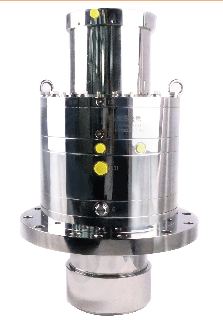
Regulatory Drivers: How API Standards and Methane Emissions Rules Accelerate Dry Gas Seal Adoption
API 692 Compliance as the Technical Benchmark for Dry Gas Seal Design and Qualification
The API 692 standard from the American Petroleum Institute basically sets the rules for how dry gas seals should work in centrifugal compressors. It covers things like making sure designs are validated properly, checking if materials will actually work together, and testing how these systems perform when pushed to their limits. The standard requires companies to run tests that mimic what happens in real operations, with pressures going as high as 450 bar and temperatures swinging between minus 50 degrees Celsius all the way up to 260 degrees. What makes API 692 stand out is its requirement for detailed testing against contaminants and repeated heating/cooling cycles. This helps cut down on guesswork in design and keeps emissions within acceptable levels most of the time. Looking at data from compressor failures across different facilities, there's evidence that following this standard can cut unexpected downtime by around 23%, though results do vary depending on maintenance practices too.
Meeting EPA and EU Methane Regulations Through Zero-Process-Fluid Leakage Performance
Dry gas seals can get down to almost zero leakage of process fluids (less than 1 part per million) because they don't need any liquid lubricants at all. This is a big deal when it comes to meeting strict methane rules such as those set out in the US EPA's Subpart OOOOb regulations and under the European Union's Methane Strategy. The way these seals work without actual contact stops hydrocarbons from leaking out during tricky situations like sudden changes in pressure, when starting up equipment, shutting it down, or running at lower loads - times when traditional oil seals tend to fail badly. Most regulations now require compressor stations to keep methane slip below 0.1%, which dry gas seals actually hit pretty consistently. Plants that switched to this technology have seen about a 98% drop in measurable emissions during their routine leak detection and repair checks. For companies trying to stay on the right side of environmental laws, these seals really make a difference in day-to-day operations.
Reliability & Lifecycle Advantage: Why Dry Gas Seals Reduce Maintenance and Extend Compressor Uptime
Eliminating Oil Reservoirs, Piping, and Associated Failure Modes
Dry gas seals get rid of all those oil lubrication parts like reservoirs, pumps, coolers, filters and their connecting pipes that cause so many problems in regular wet seals. According to Turbomachinery International from last year, about 63 percent of downtime related to seals actually comes from issues with the oil systems themselves. Think about it: leaks happening everywhere, clogged filters, dirty coolers getting worse over time, and oil that just breaks down eventually. Getting rid of this whole setup makes things simpler mechanically speaking. Plus there's no risk of environmental damage when hydrocarbons spill out anymore. Maintenance becomes much easier too since we don't have to deal with taking samples, testing them, or constantly replacing oil.
Field Data: MTBF Gains of 3–5× in Centrifugal Compressor Fleets Using Dry Gas Seals
Field experience shows that dry gas seals really outperform traditional options throughout their lifespan. An extended study on an offshore installation revealed something pretty impressive: compressors upgraded with these seals lasted 4.2 times longer between failures compared to those with oil seals. And this reliability makes a big difference for operations. The average uptime jumped from around 89% to nearly 97%. Why does this happen? Mainly because there's no oil getting on the seal faces anymore, plus they handle changes in gas pressure much better. These benefits just keep adding up as time goes on. Gas transmission companies are seeing real money savings too. Maintenance expenses drop by about 40% each year for individual compressors when switching to dry gas seal technology.
Operational Performance: Dry Gas Seal Stability Under Real-World Process Conditions
Managing Temperature Gradients, Pressure Transients, and Low-MW Gas Effects on Face Dynamics
Dry gas seals keep things running smoothly even when faced with tough process conditions involving temperature differences, sudden pressure shifts, and those tricky lightweight gases that give regular seals so much trouble. These seals handle the job better than their oil-based counterparts because they can maintain exact spacing between faces even when there's a thermal difference of over 200 to 300 degrees Celsius. They achieve this through special materials that match up thermally and built-in channels that balance pressure passively. When pressure jumps suddenly beyond 100 bar per second, these clever flow paths stop any dangerous pressure imbalances from forming. For lighter gases such as hydrogen or methane, the seal grooves are specially designed to create proper gas films despite the low stickiness of these gases, which keeps the seal operating without contact. Real world testing shows these seals typically maintain face gaps under half a mil during about 98% of their operation time. This means they can run continuously for well over 50 thousand hours while keeping leakage below one part per million.
Critical Success Factors: Ensuring Dry Gas Seal Integrity Through Gas Quality and System Design
The Non-Negotiable Role of Seal Gas Dryness, Filtration, and Dew Point Control
The quality of seal gas really makes all the difference when it comes to how long dry gas seals last and how well they perform. Even tiny particles measuring just 3 microns can wear down the seal faces permanently. Moisture is another big problem because it leads to corrosion pits and ice buildup when pressure drops suddenly, which often results in serious leaks. Good systems keep dew points around 20 degrees Celsius lower than whatever the minimum process temperature might be. They also rely on two stage filters that catch about 99.98% of stuff down to 0.3 microns. Industry research shows that without proper protection like this, leakage problems tend to triple within half a year or so. That kind of failure rate adds up fast for anyone running industrial equipment.
Mitigating Startup/Shutdown Risks: Reverse Pressurization and Hold Condition Protocols
The startup and shutdown periods are actually some of the most dangerous times for equipment because sudden changes in pressure can really mess up those sealing surfaces and cause damage when they come into contact. What works well is something called reverse pressurization, which basically means pumping in clean dry gas against the normal flow direction when shutting things down. This helps maintain proper spacing between the faces and stops them from coming apart completely. When there are longer shutdowns happening, facilities need to follow specific hold conditions that keep pressure inside the seal cavity higher than regular atmospheric pressure. This blocks moisture from getting in and keeps those critical surfaces intact. Plants that adopt these two methods together see about a 70 percent drop in unexpected seal failures versus places that just fix problems after they happen.
FAQs
What is the API 692 standard?
The API 692 standard is a set of guidelines from the American Petroleum Institute that governs the design and operation of dry gas seals in centrifugal compressors, focusing on validation, material compatibility, and performance testing.
How do dry gas seals contribute to reducing methane emissions?
Dry gas seals minimize methane emissions by eliminating process fluid leakage. By not using liquid lubricants, these seals prevent hydrocarbon leaks, thus helping facilities comply with EPA and EU methane regulations.
What maintenance benefits do dry gas seals offer over traditional oil seals?
Dry gas seals eliminate the need for oil lubrication systems, reducing the associated risks of leaks and maintenance such as sampling and oil replacement. This results in decreased downtime and maintenance costs.
Why are dry gas seals considered reliable under various process conditions?
Dry gas seals maintain precise spacing between seal faces under extreme temperature gradients, pressure changes, and with lightweight gases, ensuring stable operation and low leakage rates.
What are the critical factors for ensuring the integrity of dry gas seals?
Key factors include maintaining the dryness, quality, and dew point control of the sealing gas, along with employing proper filtration systems to prevent particulate contamination.
Table of Contents
- Regulatory Drivers: How API Standards and Methane Emissions Rules Accelerate Dry Gas Seal Adoption
- Reliability & Lifecycle Advantage: Why Dry Gas Seals Reduce Maintenance and Extend Compressor Uptime
- Operational Performance: Dry Gas Seal Stability Under Real-World Process Conditions
-
Critical Success Factors: Ensuring Dry Gas Seal Integrity Through Gas Quality and System Design
- The Non-Negotiable Role of Seal Gas Dryness, Filtration, and Dew Point Control
- Mitigating Startup/Shutdown Risks: Reverse Pressurization and Hold Condition Protocols
- FAQs
- What is the API 692 standard?
- How do dry gas seals contribute to reducing methane emissions?
- What maintenance benefits do dry gas seals offer over traditional oil seals?
- Why are dry gas seals considered reliable under various process conditions?
- What are the critical factors for ensuring the integrity of dry gas seals?