
 EN
EN
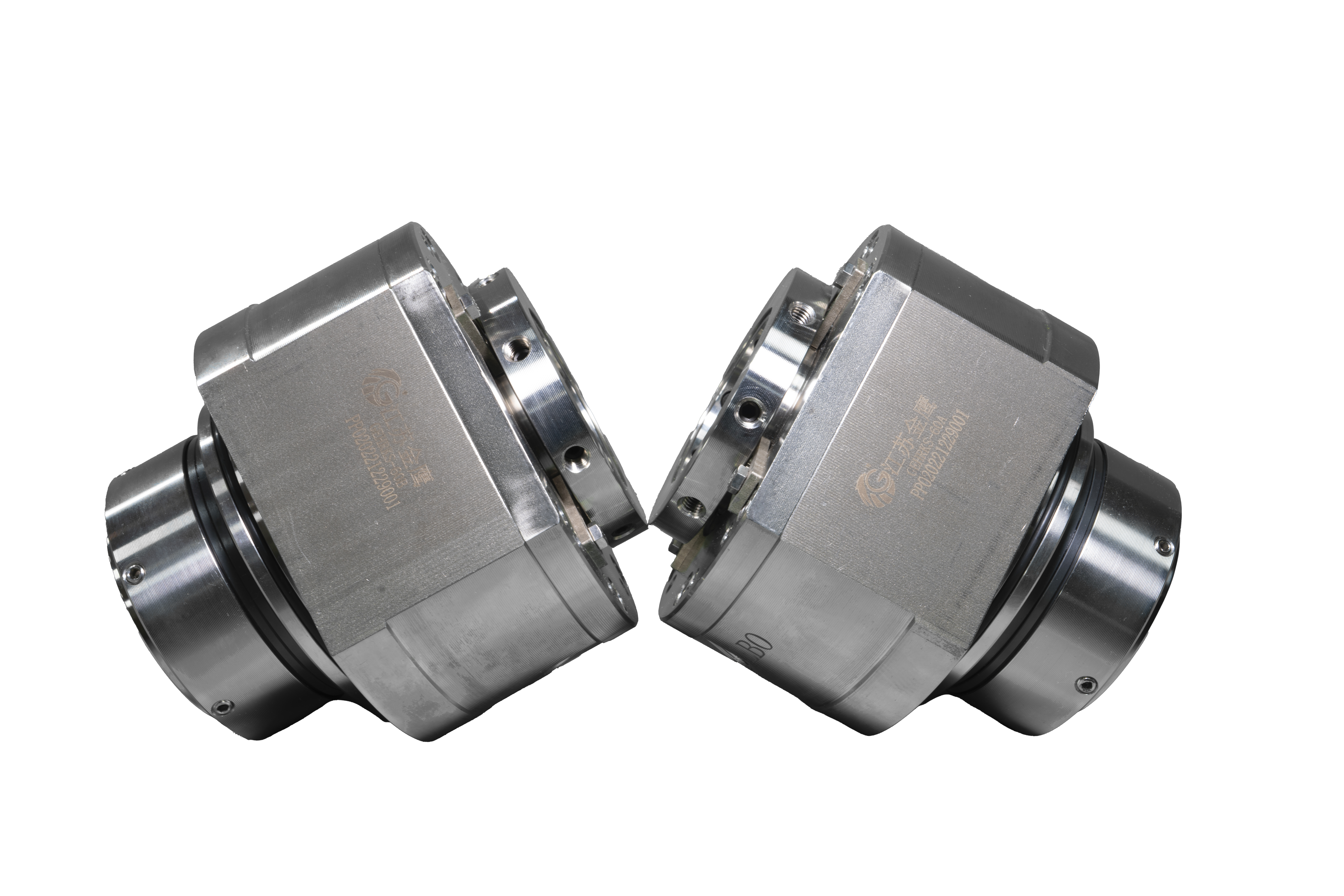
How the Non-Contacting Design of Dry Gas Seals Eliminates Mechanical Wear
Zero Physical Contact Prevents Friction, Scoring, and Surface Fatigue
Dry gas seals work differently from conventional seals because there's no actual touching between the moving parts and the fixed components. Instead, they rely on a very thin layer of gas, usually nitrogen or whatever gas happens to be part of the process itself, to keep everything separated while things spin around. This setup gets rid of all those annoying wear problems we see in older style seals where parts rub together. Think about it: when parts touch, they create heat through friction, scratch each other at microscopic levels, and eventually break down due to constant pounding against surfaces. According to recent field data collected across various industrial sectors, these non-contact designs cut down on wear particles by more than 90 percent when compared with their lubricated counterparts. And since nothing actually touches anything else, three major ways seals fail just disappear entirely from the equation.
- Friction losses that degrade seal face flatness
- Micro-scoring from trapped contaminants
- Surface fatigue cracks propagating from cyclic loading
Thermal Stability and Minimal Heat Generation Preserve Rotor Dynamics
Dry gas seals work differently because they don't create much friction at all, so they produce very little heat when running. This lack of heat buildup really matters for keeping those tight rotor clearances needed in high speed centrifugal compressors. Wet seals are another story entirely since they bring along viscous drag issues plus problems with thermal expansion across different parts. Gas film seals on the other hand keep those face gaps pretty steady around 3 to 5 microns thick. The difference makes a big impact too. When bearings stay aligned properly despite temperature changes, we avoid rotor instability caused by hot spots forming somewhere unexpected. Plus, lubricants last longer before breaking down in nearby equipment components. Real world testing shows these dry gas seals can hold shaft positions within about 0.1 mils or roughly 2.5 micrometers even when operating at full capacity. According to recent industry benchmarks from CRM's 2023 report on rotating equipment reliability, this kind of performance actually extends bearing life by approximately 40 percent in important turbomachinery applications.
Dry Gas Seal Reliability: Quantifiable Lifespan Gains Over Wet Seals
3–5 Higher MTBF in Centrifugal Compressors: Field Data from ISO Class 8+ Installations
Real world performance data collected at ISO Class 8+ facilities shows that dry gas seals last anywhere from 3 to 5 times longer between failures when compared to conventional wet seals used in centrifugal compressors. Equipment running on dry gas technology typically sees maintenance intervals stretching between 45,000 and 60,000 operating hours, whereas wet seal systems generally need attention every 12,000 to 20,000 hours. The reason behind this improved reliability lies in their design principle – since they operate without physical contact, there's no friction related wear happening inside the system. Plus, there's no lubricating oil involved which means we avoid problems like oil degradation over time and potential contamination issues. When looking at bottom line impacts, those extended intervals between failures translate into significant savings both on spare parts inventory and most importantly, reduced downtime costs that happen whenever production gets interrupted by unexpected equipment failure.
| Seal Type | Avg. MTBF (hours) | Failure Rate Reduction | Maintenance Interval |
|---|---|---|---|
| Wet Seals | 12,000–20,000 | Baseline | 6–12 months |
| Dry Gas Seals | 45,000–60,000 | 67–75% | 3–5 years |
Table: Operational comparison based on field data from hydrocarbon processing facilities (2024 Compressor Reliability Report)
Failure Mode Shift: From Catastrophic Leakage and Coking to Predictable Monitoring-Based Intervention
The failure profile of dry gas seals changes things completely compared to traditional methods where problems often lead to total system failures. Wet seals tend to go bad all at once, usually because of sudden leaks when the seal faces get damaged or when oil turns into carbon deposits at high temps which causes plants to shut down fast and creates serious safety issues. Dry gas seals tell a different story though. They break down slowly over time, showing warning signs like higher gas escape rates, strange vibrations, and temperature differences across components. Plant operators can actually track these changes day to day using regular monitoring systems, so they know exactly when maintenance needs doing during normal scheduled stops rather than waiting for emergencies. A real world example comes from an LNG facility that cut their urgent repair calls by about three quarters after switching to dry gas technology. That kind of change isn't just impressive on paper either it translates to actual savings too, cutting daily downtime expenses around half a million dollars in key operations areas and giving compressors much longer working lives between replacements.
Reduced Maintenance Burden and Unplanned Downtime with Dry Gas Seals
Case Evidence: 72% Drop in Unscheduled Seal Interventions After Dry Gas Seal Retrofit
When facilities upgrade their centrifugal compressors with dry gas seals, they typically see around a 72% drop in those unexpected maintenance problems. The reason? These new seals get rid of all those pesky mechanical wear issues like scoring, metal fatigue, and failures caused by constant friction that plague traditional wet seals. Looking at real world operations over about five years, plants report saving somewhere around 450 maintenance hours for each compressor unit installed this way. Plus, production time goes up by roughly 11 to 15% annually. This isn't just theory either. A recent study covering 17 different industrial sites that made this switch confirmed exactly these kinds of improvements according to the latest Compressor Reliability data from 2024.
Operational and Economic Impact of Extended Equipment Lifespan
Putting dry gas seals into place can significantly extend how long equipment lasts, bringing real money savings and better operations across the board. When machines don't break down early, companies save big time on replacing them entirely. Think about it: no need to shell out around $740,000 for brand new industrial compressors, plus avoid those annoying 2 to 4 week downtimes during installation, not to mention all the headaches that come with integrating fresh gear into existing systems. Over a decade, these savings typically cut total ownership costs somewhere between 18% and 25%. Longer lasting assets mean spreading out those expensive purchases over more years, which boosts ROI and keeps cash available for other important projects. And let's talk about maintenance: facilities report cutting unexpected repairs by about 72%, which means fewer production stoppages. For plants where every hour lost costs upwards of $50k, this makes all the difference. Looking at the bigger picture, there are multiple wins here: more predictable operations day to day, lower environmental footprint since we're making fewer new parts, and better protection when supply chains get disrupted and replacement parts become hard to find.
FAQ
What is a dry gas seal?
A dry gas seal is a type of sealing system used in rotating equipment such as compressors. It operates with a thin layer of gas to eliminate physical contact between parts, reducing wear and extending the equipment life.
How do dry gas seals prevent mechanical wear?
They prevent mechanical wear by using a non-contacting design that separates moving and stationary components with a thin gas film, eliminating friction and related wear issues.
What are the cost benefits of using dry gas seals?
Dry gas seals lead to longer maintenance intervals, reduced unscheduled interventions, and extended equipment lifespans, resulting in significant cost savings in terms of maintenance and potential downtime.
How do dry gas seals improve reliability over wet seals?
By avoiding physical contact and eliminating the need for lubricants, dry gas seals offer a higher mean time between failures (MTBF), often lasting 3 to 5 times longer than wet seals.