
 EN
EN
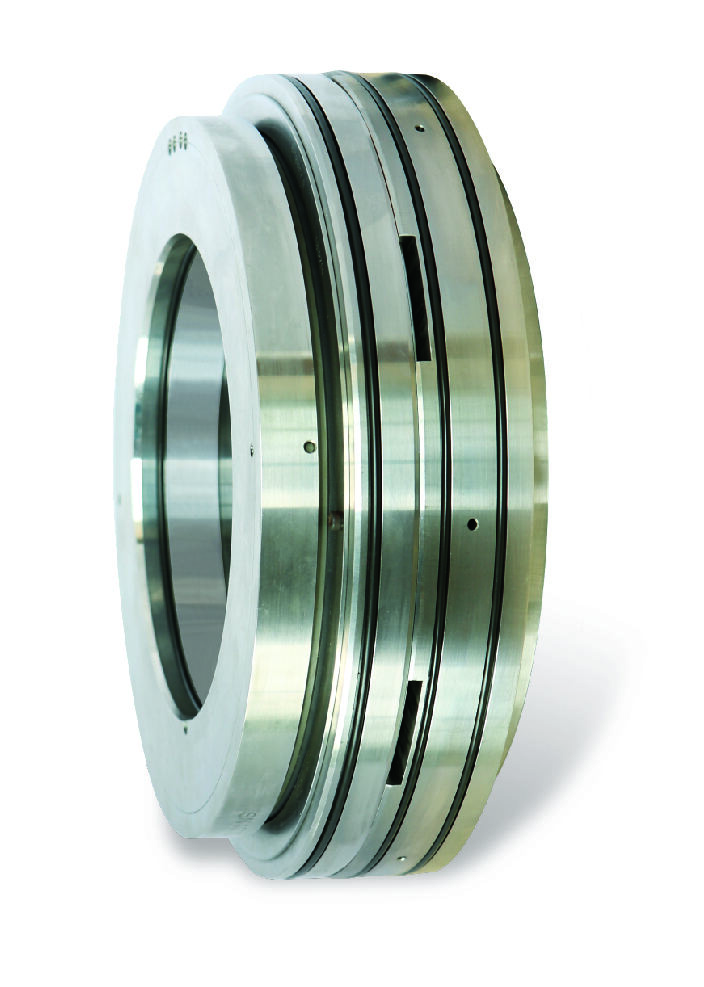
How Smart Monitoring Transforms Dry Gas Seal Reliability
Real-Time Condition Monitoring and Predictive Analytics for Dry Gas Seals
Today's dry gas seals come equipped with built-in sensors that keep track of various parameters including temperature changes, pressure differences, vibrations, and tiny leaks. These sensors send their findings to advanced analytics systems which use machine learning techniques to spot signs of wear and tear long before anything actually breaks down sometimes as much as three days ahead of time. When something unusual happens, like when friction starts generating extra heat or pressure readings start fluctuating strangely, operators get alerts they can act on. This means repairs happen during regular maintenance windows instead of emergency fixes after breakdowns occur. Plants that have adopted this technology see around 30 percent fewer unexpected shutdowns and save about 25 percent on repair bills according to Deloitte's latest research from last year. Fine tuning how these systems operate through artificial intelligence helps prolong the lifespan of the seals while keeping major accidents at bay, especially important for equipment like those massive compressors found in oil refineries where downtime costs millions.
IoT-Enabled Edge Diagnostics: Reducing False Alarms and Downtime
When edge computing devices sit right next to dry gas seals, they handle data processing locally. This helps tell real seal problems apart from just temporary process noise like those brief pressure spikes that happen all the time. Plants report around 40% fewer false alarms after implementing this approach. Maintenance crews don't waste time chasing phantom issues anymore because these smart devices check alerts at the source before sending anything to the main control room. That means quicker responses when there actually is a problem worth fixing. These edge devices also come with built-in data storage so diagnostics keep going even if the internet cuts out somewhere. This matters a lot for pipelines stretching across deserts or equipment floating out at sea where getting good signal can be tough. Looking at industry research from 2023 shows facilities that adopted edge diagnostics saw about 15% reduction in downtime overall. Plus, when something does go wrong, technicians fix it roughly 20% quicker compared to traditional methods, especially helpful in areas where reliable connections are hard to come by.
Next-Generation Materials Advancing Dry Gas Seal Performance
Ceramic and Carbon Composites: Optimizing Wear Resistance and Thermal Stability in Dry Gas Seals
Dry gas seals made from ceramic and carbon composites last much longer when exposed to harsh operating conditions. These materials resist wear better than standard metal alloys, cutting down on friction losses by around 60%. Plus they stay stable even at temperatures over 500 degrees Celsius or about 930 Fahrenheit. The way these composites react to heat is another big plus point. They expand very little when heated, so there's less chance of the seal faces warping during those sudden compressor starts that often lead to failures in refineries where equipment goes through constant heating and cooling cycles. Real world testing shows that switching to composite seals means maintenance crews can go nearly two and a half extra years before needing to repair centrifugal compressors working with sour gas mixtures.
Nanocomposite Coatings for Extreme-Condition Dry Gas Seal Applications
When ceramic nanoparticles such as silicon carbide are mixed into polymer materials, we get these special nanocomposite coatings that really stand up to tough conditions where corrosion and pressure are big problems. Even when applied at less than 50 microns thick, these coatings can reach hardness levels above 1,800 on the Vickers scale, which means they resist wear three times better than surfaces without any coating at all. What makes them so effective is their ability to block hydrogen sulfide completely, cutting down chemical damage by almost 90 percent in those offshore gas processing facilities. Plus there's something else going for them too their self lubricating nature stops micro welding from happening during those sudden emergency shutdown situations that often cause failures in liquefied natural gas operations across the industry.
Integrated Smart–Material Solutions: Driving Autonomous Dry Gas Seal Management
Smart monitoring systems combined with cutting edge materials are making it possible to manage dry gas seals without constant human oversight. These systems have tiny IoT sensors built right into them that send live performance info to AI analysis tools. The AI looks for signs of stress in the materials and notices when environmental conditions change. Then it makes automatic adjustments to things like pressure differences and how much gas is flowing through. Special nanocomposite coatings can actually spot tiny cracks forming before they get big enough to cause problems. Meanwhile, ceramic components adapt on their own to temperature changes happening all around them. When these parts work together with local computing diagnostics at the equipment site, maintenance schedules become much more accurate. Most facilities report being able to plan maintenance about 5% better than before, and many say they've stopped around 9 out of 10 unexpected shutdowns in compressors across different industries.
Autonomous dry gas seals deliver measurable value: a 40% reduction in maintenance labor requirements in refineries; up to 15% lower energy consumption through optimized friction control; and a threefold increase in mean time between failures (MTBF) versus conventional seals.
Proven Operational Impact: Uptime, Cost, and Sustainability Gains from Modern Dry Gas Seals
Quantified Reliability Improvements Across Refinery and Petrochemical Compressor Trains
New dry gas seal tech has basically shut down those contamination routes that used to cause around 42% of all unexpected shutdowns, which costs plants roughly $42 million each year according to Deloitte's 2024 report. Top tier refineries are seeing about 30% less money spent on maintenance work and their machines stay running about 25% longer when they switch to these advanced seals featuring built-in monitoring systems and special nanocomposite coatings. What makes these systems so effective? They stop oil from getting where it shouldn't, cut down on nitrogen usage by almost half, and keep things running smoothly for over 50,000 hours even in those tough high heat environments common in petrochemical processing. Facilities implementing this technology typically experience fewer sudden compressor failures, save energy because each unit produces more output while consuming less power, and get their carbon investment back 15 to 20% faster across all their rotating equipment.
| Improvement Area | Industry Impact | Verified Outcome |
|---|---|---|
| Maintenance Costs | Refinery compressor trains | 30% reduction |
| Operational Uptime | Petrochemical processing units | 25% increase |
| Resource Consumption | Nitrogen-dependent systems | 40% decrease |
| Seal Lifespan | High-temperature applications | 50,000 hours MTBF |
FAQ
How do smart monitoring systems help in dry gas seal reliability?
Smart monitoring systems equipped with sensors track various parameters and send data to analytics systems that predict wear and tear, thus preventing unexpected breakdowns.
What is the role of IoT-enabled edge diagnostics?
IoT-enabled edge diagnostics help to differentiate real seal issues from temporary noise and reduce false alarms, ensuring timely maintenance actions.
Why are ceramic and carbon composites used in dry gas seals?
Ceramic and carbon composites optimize wear resistance and thermal stability, prolonging the life of dry gas seals even in harsh conditions.
What advantages do nanocomposite coatings provide?
Nanocomposite coatings offer excellent wear resistance and corrosion protection while preventing chemical damage, especially in extreme environments.
What are the operational benefits of modern dry gas seals?
Modern dry gas seals offer improved uptime, reduced maintenance costs, lower resource consumption, and longer lifespan, resulting in sustainability gains for industrial operations.