
 EN
EN
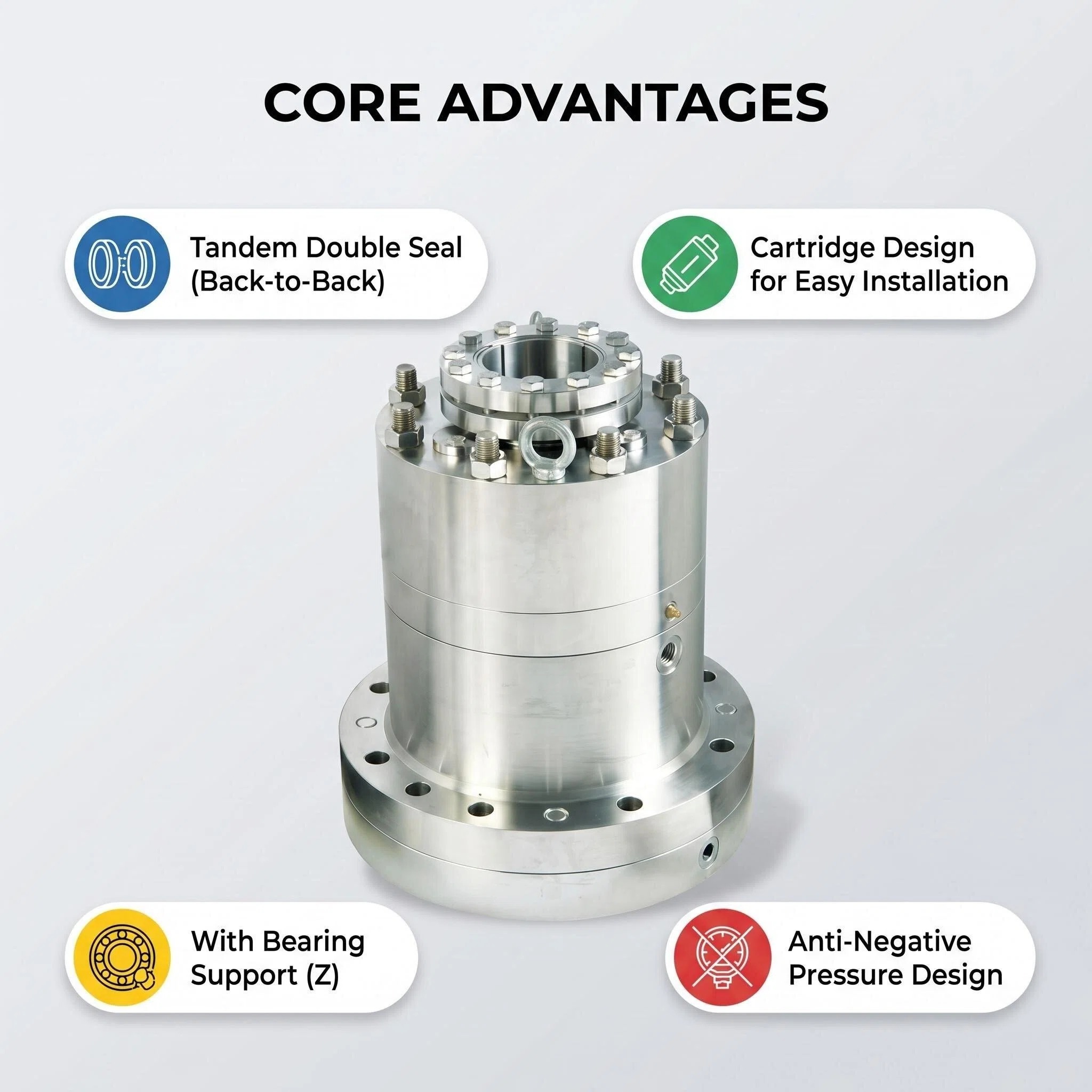
Industrial operations demand equipment that performs reliably under the harshest conditions imaginable. When systems operate at extreme pressures and temperatures, the pump seal becomes one of the most critical components determining whether equipment succeeds or fails catastrophically. A pump seal that cannot handle extreme operating conditions will lead to fluid leakage, contamination, equipment damage, and costly downtime. Understanding how a pump seal functions under such demanding circumstances is essential for engineers, maintenance professionals, and procurement teams who must select and maintain pumping systems. The pump seal acts as the barrier between internal and external environments, and when conditions become extreme, this component must perform flawlessly to protect both equipment investment and operational safety.
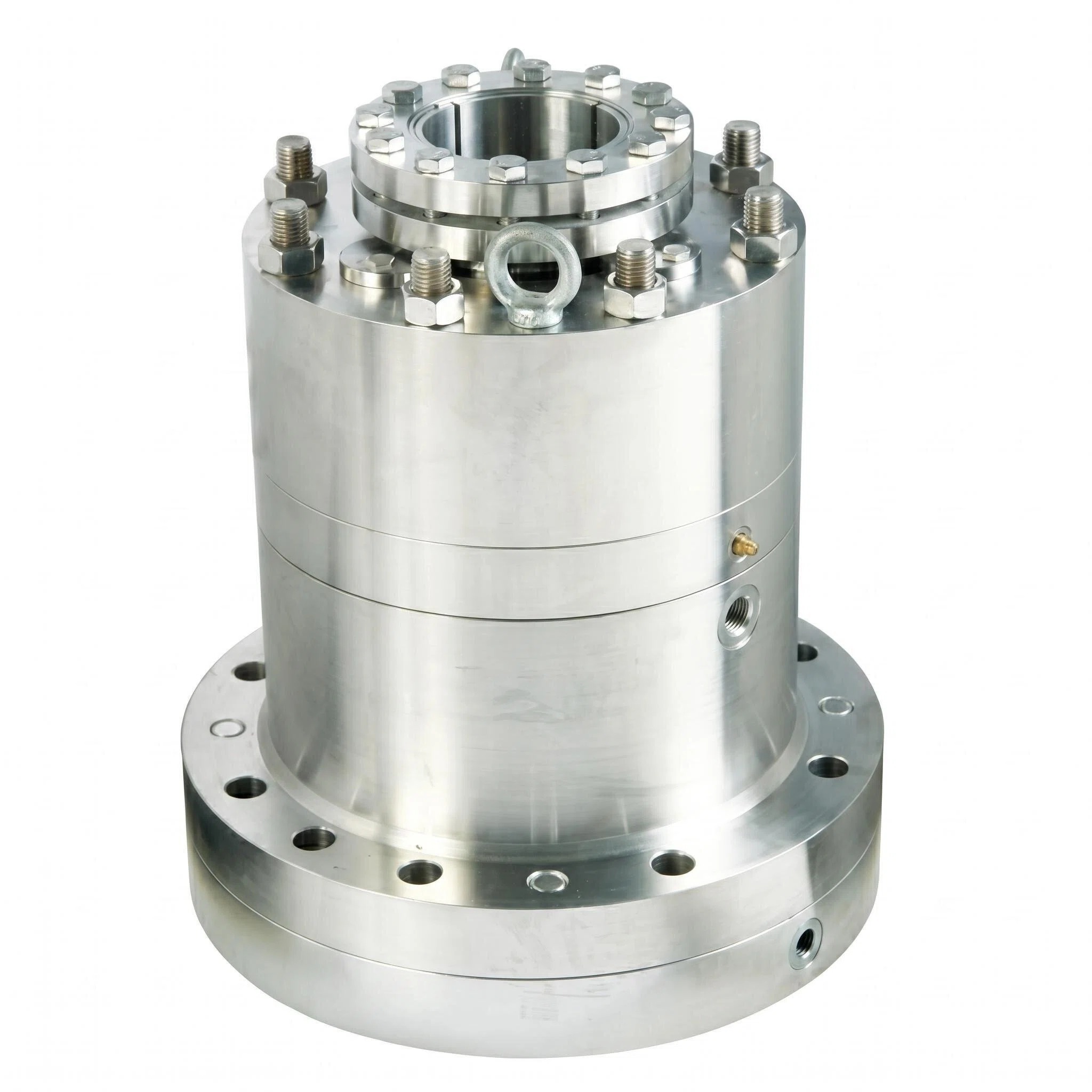
The engineering behind a pump seal designed for extreme conditions involves careful material selection, precise manufacturing tolerances, and sophisticated design strategies. Extreme operating conditions include sustained high pressures exceeding several thousand pounds per square inch, temperatures ranging from cryogenic to several hundred degrees Celsius, corrosive fluid environments, and abrasive particle contamination. A pump seal must maintain its integrity and sealing capability across all these variables simultaneously. Modern pump seal technology combines elastomers, metals, and ceramic components into integrated assemblies that work together to provide reliable performance. The pump seal industry has evolved significantly over decades, driven by demands from oil and gas, chemical processing, power generation, and aerospace sectors.
Material Selection and Performance Under Pressure
Elastomer Compounds and Temperature Resistance
The elastomer component of a pump seal must maintain flexibility and sealing effectiveness across extreme temperature ranges. Fluorocarbon elastomers like Viton provide excellent resistance to heat and many aggressive chemicals, making them ideal for petroleum and chemical applications where pump seal performance at elevated temperatures is critical. For cryogenic applications, different elastomer formulations become necessary because standard materials become brittle and lose sealing capability at very low temperatures. Nitrile and other specialized elastomer compounds are engineered to retain elasticity in these extreme environments, ensuring the pump seal continues functioning when conventional materials would fail. The pump seal elastomer also resists degradation from oxidation and solvents that would destroy inferior materials, extending equipment life and reducing maintenance frequency.
Metal and Ceramic Component Integration
Beyond elastomers, a pump seal incorporates metal and ceramic elements that withstand extreme mechanical stress and chemical attack. Stainless steel and specialized alloys form the mechanical structure of the pump seal, providing strength to resist deformation under high pressure. Ceramic faces in dual-face pump seal designs offer superior hardness and wear resistance compared to softer materials, reducing friction and heat generation that would otherwise compromise seal function. Tungsten carbide and silicon carbide are among the premium materials used in pump seal constructions for the most demanding applications. These materials work synergistically within the pump seal assembly to create a system capable of maintaining pressure differentials while preventing fluid escape. When extreme operating conditions involve both high pressure and corrosive environments, the pump seal material combination becomes even more critical to preventing premature failure.
Design Strategies for Extreme Pressure and Temperature Management
Dual-Face Pump Seal Architecture
Dual-face pump seal designs represent a significant advancement in handling extreme operating conditions by using two opposing seal faces that minimize wear and leakage. In this pump seal configuration, stationary and rotating elements create a controlled gap where lubricating film prevents direct contact between seal faces. The pump seal in dual-face arrangement distributes mechanical loads more evenly and generates lower friction heat than single-face designs, critical when operating temperatures already approach material limits. This pump seal architecture also accommodates axial and radial shaft movements that occur under thermal expansion and vibration, maintaining sealing effectiveness throughout temperature swings. The dual-face pump seal design has become the industry standard for applications involving extreme pressures because it provides superior reliability and longer operational intervals compared to older seal technologies.
Pressure Balancing and Load Distribution
Extreme pressure creates tremendous mechanical loading on a pump seal, and design engineers implement pressure balancing features to prevent catastrophic seal face damage. A properly designed pump seal incorporates pressure relief passages and balance cavities that equalize internal and external pressure differentials, reducing the closing force on seal faces. This pump seal pressure management allows the sealing interface to operate within material stress limits even when system pressure climbs to extreme levels. Spring systems within the pump seal provide consistent sealing force while accommodation features allow for thermal expansion and shaft runout. The pump seal design philosophy emphasizes distributing forces across larger contact areas rather than concentrating them at single points, a principle that enables reliable performance under extreme conditions that would overwhelm conventional seal designs.
Operational Monitoring and Performance Validation
Predictive Maintenance Indicators for Pump Seal Systems
Industries operating equipment with pump seals under extreme conditions implement comprehensive monitoring programs to detect performance degradation before catastrophic failure. Temperature sensors positioned near pump seal locations track whether operating temperature remains within design specifications or creeps upward indicating increased friction and potential early-stage wear. Vibration analysis can reveal developing issues within a pump seal assembly where component misalignment or bearing wear would increase seal face separation and reduce sealing capability. Pressure drop measurement across the pump seal provides another diagnostic tool, with excessive pressure loss indicating fluid bypass that signals impending pump seal failure. Fluid sampling analysis detects seal wear debris circulating through the system, providing early warning that a pump seal needs replacement before complete failure occurs. The pump seal operating within normal parameters produces minimal wear particles, while a deteriorating pump seal generates increasing amounts of metallic and elastomer debris detectable through oil analysis.
Real-World Performance Documentation
Engineering teams across industries continuously document pump seal performance under genuine extreme operating conditions to validate design capabilities and refine future iterations. Offshore drilling operations expose pump seals to simultaneous high pressure, low temperatures, and corrosive saltwater environments, creating test conditions impossible to replicate in laboratories. Power generation facilities push pump seals to sustained high temperatures for years while chemical processing plants challenge them with aggressive fluids that dissolve conventional materials. Aerospace applications involve rapid pressure cycling and extreme temperature variations that test pump seal materials and designs in unique ways. This accumulated real-world data demonstrates that properly engineered pump seal solutions can maintain reliable performance across conditions once considered impossible, validating the engineering innovations that make modern equipment possible.
Maintenance Practices and Failure Prevention
Installation Quality and Alignment Requirements
Even the finest engineering cannot deliver reliable pump seal performance if installation procedures do not meet exacting standards. Shaft alignment within specified tolerances ensures that pump seal faces remain parallel and maintain uniform contact pressure, critical when operating at extreme conditions where misalignment would accelerate wear. Proper installation of the pump seal housing requires cleanliness to prevent contamination from entering the sealing chamber, where particles can embed in elastomer components and compromise sealing surfaces. Technicians must verify correct seal direction, proper spring preload, and secure fastening before operating equipment with pump seals under extreme conditions. The pump seal installation procedure documentation provided by manufacturers reflects decades of field experience and represents the difference between reliable long-term operation and premature failure.
Fluid Cleanliness and Temperature Control
The pump seal operates within its design envelope only when supported by proper system maintenance, particularly fluid management. Fluid cleanliness directly impacts pump seal longevity because abrasive particles suspended in the working fluid damage seal faces and create leakage pathways during extreme pressure operation. Filtration systems maintaining fluid cleanliness to ISO standards protect the pump seal from accelerated wear that would occur with contaminated fluid. Temperature control through adequate cooling maintains pump seal operating temperature within design specifications, preventing the material degradation that occurs when elastomers and ceramics exceed their temperature limits. Systems lacking proper fluid management will see pump seal life measured in weeks or months rather than years, making fluid condition monitoring an essential pump seal protection strategy.
FAQ
What makes a pump seal fail under extreme operating conditions?
A pump seal fails under extreme conditions through several mechanisms including material degradation from excessive heat, plastic deformation from mechanical overload, chemical attack from aggressive fluids, and wear from abrasive contamination. When operating conditions exceed the design envelope of the pump seal, elastomer compounds harden and crack, metal components deform, and ceramic faces develop stress fractures. Fluid leakage often begins gradually as the pump seal develops micro-damage, accelerating to catastrophic failure as the seal faces separate. The pump seal failure process can be rapid or gradual depending on whether conditions exceed design limits by a small margin or dramatically exceed rated capabilities.
How do engineers select the right pump seal for extreme applications?
Selection of a pump seal for extreme applications requires detailed analysis of system operating conditions including maximum pressure, temperature range, fluid chemistry, duty cycle, and acceptable leakage rates. Engineers consult pump seal manufacturer technical data comparing material options, construction styles, and design features against specific application requirements. Dual-face pump seal designs typically provide superior performance in extreme applications compared to simpler alternatives, though cost and installation complexity must be evaluated. Industry standards and equipment manufacturer recommendations guide pump seal selection, with many critical applications utilizing proven designs that have demonstrated reliability through years of real-world service under comparable extreme conditions.
How frequently should pump seals be inspected in extreme duty applications?
Pump seal inspection frequency in extreme duty applications should follow equipment manufacturer recommendations, typically ranging from quarterly to annual intervals depending on operational demands and failure consequences. Condition monitoring through temperature measurement, vibration analysis, and fluid sampling allows technicians to assess pump seal condition without disassembly, enabling predictive maintenance scheduling. When operated under extreme conditions, a pump seal showing early signs of degradation should be replaced proactively rather than waiting for complete failure, as the consequences of unplanned equipment shutdown often vastly exceed the cost of preventive maintenance. Organizations operating critical systems with pump seals under extreme conditions typically implement comprehensive monitoring programs and maintain spare seal assemblies for rapid replacement when needed.