
 EN
EN
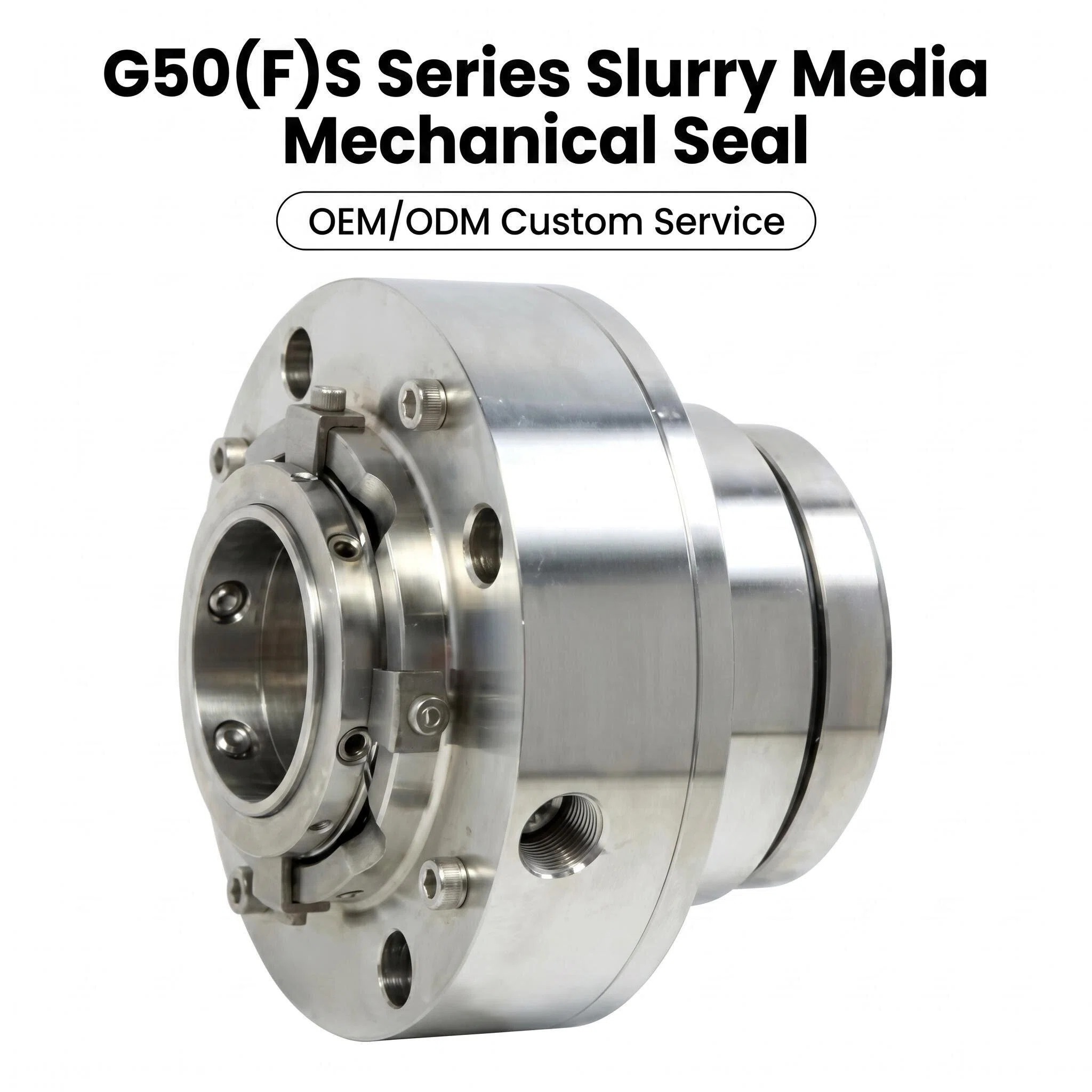
Maintaining pump seals is critical for ensuring reliable equipment operation and preventing costly downtime in industrial settings. A pump seal is the component that prevents fluid leakage at the point where the pump shaft exits the housing, and its proper maintenance directly impacts both operational safety and long-term performance. When pump seal maintenance is neglected, equipment failures accelerate, production schedules suffer, and maintenance costs escalate rapidly. Understanding how to care for pump seals extends their service life, reduces unplanned shutdowns, and protects your investment in critical pumping equipment.
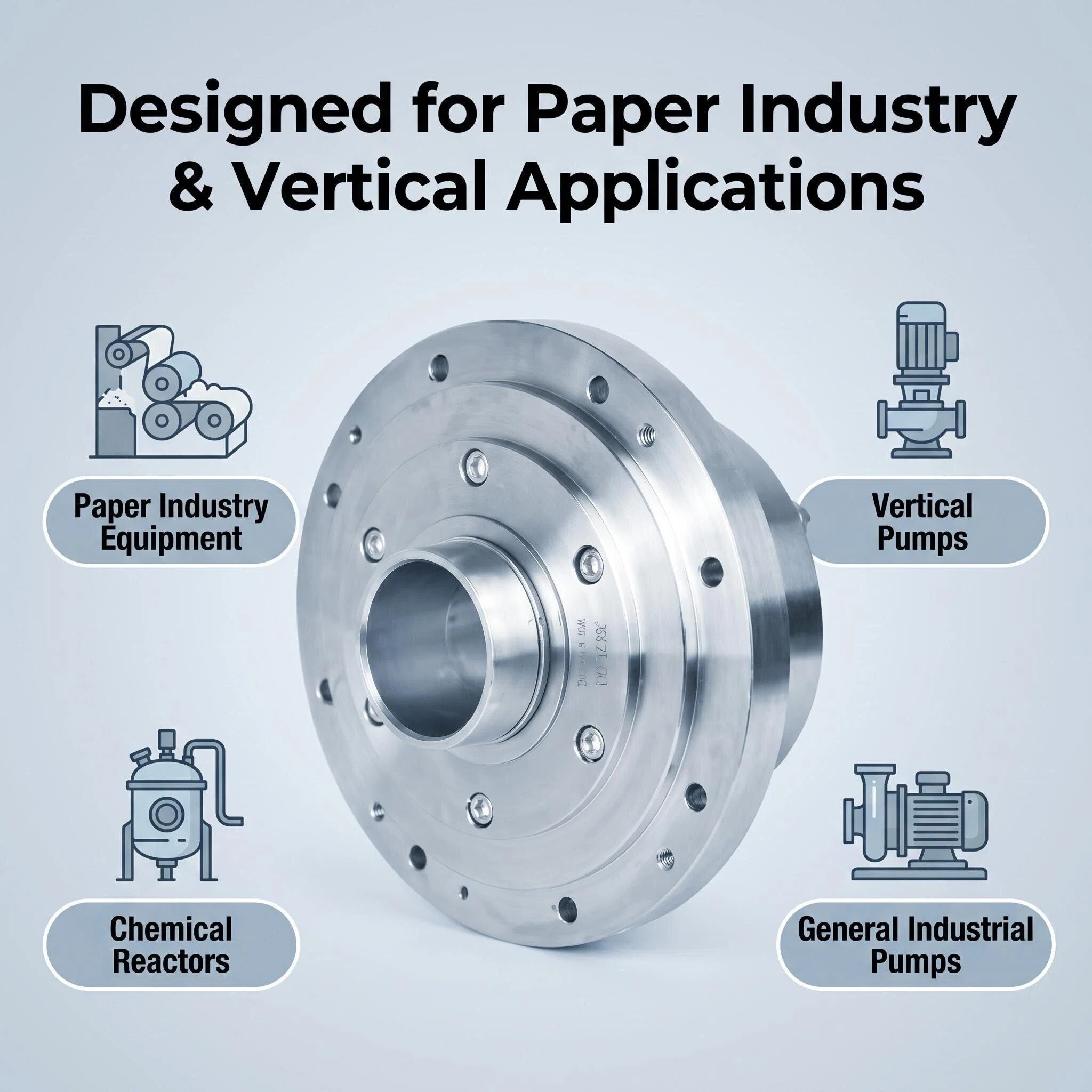
The performance and longevity of a pump seal depend on multiple interconnected factors including temperature control, fluid cleanliness, mechanical alignment, and monitoring protocols. Industrial operators who implement proactive pump seal maintenance strategies see measurable improvements in equipment reliability and cost management. This guide outlines the essential practices for maintaining pump seal integrity and maximizing equipment uptime across various industrial applications.
Understanding Pump Seal Fundamentals and Maintenance Requirements
What Makes a Pump Seal Vulnerable to Failure
Pump seals face extreme operational stresses that make them susceptible to accelerated wear and failure. The pump seal must withstand continuous rotation, pressure differentials, temperature fluctuations, and mechanical vibration simultaneously. Common failure modes include mechanical wear, thermal distortion, chemical degradation, and contamination-induced damage. When pump seal degradation begins, subtle warning signs often go unnoticed until catastrophic failure occurs. Understanding these vulnerability points helps operators implement targeted maintenance strategies that address root causes rather than just symptoms.
The Critical Role of Pump Seal Condition in System Efficiency
A healthy pump seal operates with minimal energy loss and maintains system fluid integrity, while a deteriorating pump seal creates progressive leakage that reduces efficiency and compromises fluid quality. Poor pump seal condition forces the system to work harder, consuming excess energy and generating unnecessary heat. The financial impact extends beyond energy costs to include fluid replacement, environmental cleanup, equipment corrosion, and potential regulatory compliance violations. Preventive pump seal maintenance eliminates these cascading problems by addressing wear patterns before they develop into system failures.
Core Maintenance Practices for Pump Seal Longevity
Temperature Management and Thermal Monitoring
Temperature control stands as one of the most critical factors in pump seal preservation. Excessive heat accelerates chemical breakdown of elastomeric components and warps mechanical surfaces that create the sealing interface. A pump seal operates most effectively within manufacturer-specified temperature ranges, typically between 140°F and 180°F for mineral oil systems. Installing thermometers or digital sensors at the pump housing allows operators to monitor real-time temperature data and identify heat spikes before they damage the pump seal. Cooling system maintenance, proper ventilation, and load optimization work together to keep pump seal temperatures within safe operating windows.
Fluid Quality and Contamination Control
The pump seal is only as reliable as the fluid it contacts, and contamination dramatically accelerates degradation. Particulate matter, water ingress, and chemical degradation products all compromise pump seal performance by creating abrasive surfaces and chemical corrosion. Implementing a fluid management program that includes regular fluid sampling, particle counting, and water content analysis protects the pump seal from internal damage. High-efficiency filtration systems maintain ISO cleanliness targets that preserve pump seal integrity and extend service intervals. Most pump seal failures linked to contamination could have been prevented through basic fluid monitoring and maintenance discipline.
Mechanical Alignment and Vibration Control
Misalignment between the pump shaft and motor shaft creates lateral loads that accelerate pump seal wear and compromise the sealing surface. Coupling misalignment generates vibration patterns that destabilize the pump seal interface, allowing fluid to seep around the seal faces. Precision alignment using laser systems during installation and periodic realignment after major maintenance ensures the pump seal operates under optimal mechanical conditions. Vibration analysis provides early detection of developing alignment problems before they damage the pump seal. Regular inspection of mounting bolts, bearing preload, and coupling condition prevents the creeping misalignment that degrades pump seal performance over time.
Monitoring Strategies and Predictive Maintenance Approaches
Real-Time Performance Indicators and Early Warning Signs
Observing visible pump seal performance indicators allows operators to catch problems during early stages when corrective action is still possible. Slight weeping around the pump seal housing, typically a few drops per hour, represents normal operation, while steady dripping indicates pump seal wear requiring intervention. Temperature spikes, unusual vibration patterns, or fluid discoloration all suggest pump seal degradation in progress. Establishing baseline performance metrics during commissioning provides a reference standard for detecting abnormal conditions. Operators trained in these recognition patterns can schedule maintenance proactively rather than responding to emergencies.
Scheduled Inspections and Predictive Testing Protocols
A structured inspection schedule catches pump seal problems during planned maintenance windows rather than through catastrophic failure. Monthly visual inspections, quarterly fluid analysis, and annual thermal imaging create overlapping detection layers that prevent extended operation with compromised pump seals. Oil analysis results showing elevated wear metals often indicate pump seal deterioration before external symptoms become obvious. Vibration trending and thermal monitoring build historical databases that reveal pump seal degradation patterns specific to your equipment. This data-driven approach transforms reactive maintenance into predictive strategies that maximize uptime and minimize emergency repairs.
Documentation and Performance Tracking Systems
Comprehensive maintenance records create the institutional memory needed to optimize pump seal service life across multiple pieces of equipment. Tracking replacement dates, operating hours, failure modes, and environmental conditions reveals patterns that guide future maintenance decisions. Comparing performance across similar pump installations identifies best practices and failure prevention techniques that work in your specific operating environment. Digital systems that consolidate this data enable predictive analytics that forecast when individual pump seals will likely approach end-of-life conditions. This systematic approach eliminates guesswork and replaces it with evidence-based maintenance planning.
Preventive Maintenance Procedures and Best Practices
Installation Techniques That Establish Pump Seal Foundation
The service life of any pump seal begins at installation, where procedural discipline directly determines long-term performance. Using manufacturer-specified assembly procedures, proper torque sequences, and correct alignment techniques establishes the foundation for extended pump seal operation. Installing a pump seal with contaminated hands or unclean tools introduces particles that damage sealing surfaces immediately. Flushing systems with fresh, clean fluid before commissioning removes manufacturing residues that would otherwise compromise pump seal integrity from day one. Documenting installation procedures and conditions creates baseline data for interpreting future performance changes.
Routine Maintenance Activities and Component Care
Regular maintenance tasks performed on established schedules prevent minor issues from developing into pump seal failures. Cleaning pump external surfaces prevents dirt accumulation that migrates into seal cavities and contaminates the pump seal environment. Checking and adjusting coupling alignment twice annually catches mechanical drift before it damages the pump seal. Verifying that cooling water flows freely ensures temperature management systems function at full capacity to protect pump seal surfaces. Rotating equipment isolation procedures ensure that maintenance work can proceed safely without exposing workers to hazards from the pump seal assembly.
Replacement Timing and Component Selection Strategies
Knowing when to replace a pump seal before it fails requires understanding failure progression and remaining useful life. Most pump seals begin showing measurable performance degradation around 80 percent of their expected service life, signaling that replacement should be scheduled during the next available maintenance window. Selecting replacement pump seals that match original specifications ensures compatibility with cooling systems, pressure ratings, and environmental conditions. Higher-specification pump seal materials may cost more initially but often provide extended service life that justifies the additional investment. Planning replacement during seasonal low-production periods minimizes operational disruption and allows thorough inspection of related components during the same maintenance event.
FAQ
How often should pump seals be replaced in typical industrial operations?
Pump seal replacement intervals typically range from 2 to 5 years depending on operating conditions, maintenance quality, and application demands. Equipment operating under controlled conditions with excellent maintenance may extend pump seal life to 5 years or beyond, while harsh environments or inadequate maintenance may require replacement every 18 to 24 months. Regular monitoring through fluid analysis and thermal imaging provides specific data to forecast pump seal replacement timing rather than relying on generic schedules. Consulting with equipment manufacturers and analyzing your facility's historical performance data establishes realistic intervals tailored to your operating environment.
What is the difference between planned pump seal maintenance and emergency replacement?
Planned pump seal maintenance allows scheduling replacement during convenient production windows, minimizing downtime and enabling thorough system inspection alongside the replacement. Emergency replacement occurs during unexpected failures, forcing production shutdowns and preventing comprehensive component evaluation. Emergency failures typically damage surrounding components and reduce overall system reliability through shock loads and contamination spread. The cost difference between planned and emergency pump seal replacement often exceeds 300 percent when accounting for production loss, expedited labor, and secondary damage. Investing in monitoring systems and preventive maintenance transforms pump seal management into planned activities that optimize both equipment performance and operational budgets.
Can pump seal performance be extended through operational adjustments?
Operating pumps within their design envelope significantly extends pump seal life by reducing thermal stress and mechanical loading. Maintaining flow rates and pressure differentials within manufacturer specifications prevents the accelerated wear that occurs when equipment operates beyond rated capacity. Temperature management through proper cooling system maintenance and load distribution provides measurable pump seal longevity improvements. Avoiding rapid start-stop cycles and shock loads protects pump seal surfaces from mechanical damage. These operational practices work complementarily with scheduled maintenance to maximize equipment reliability and extend the service life of individual pump seals.