
 EN
EN
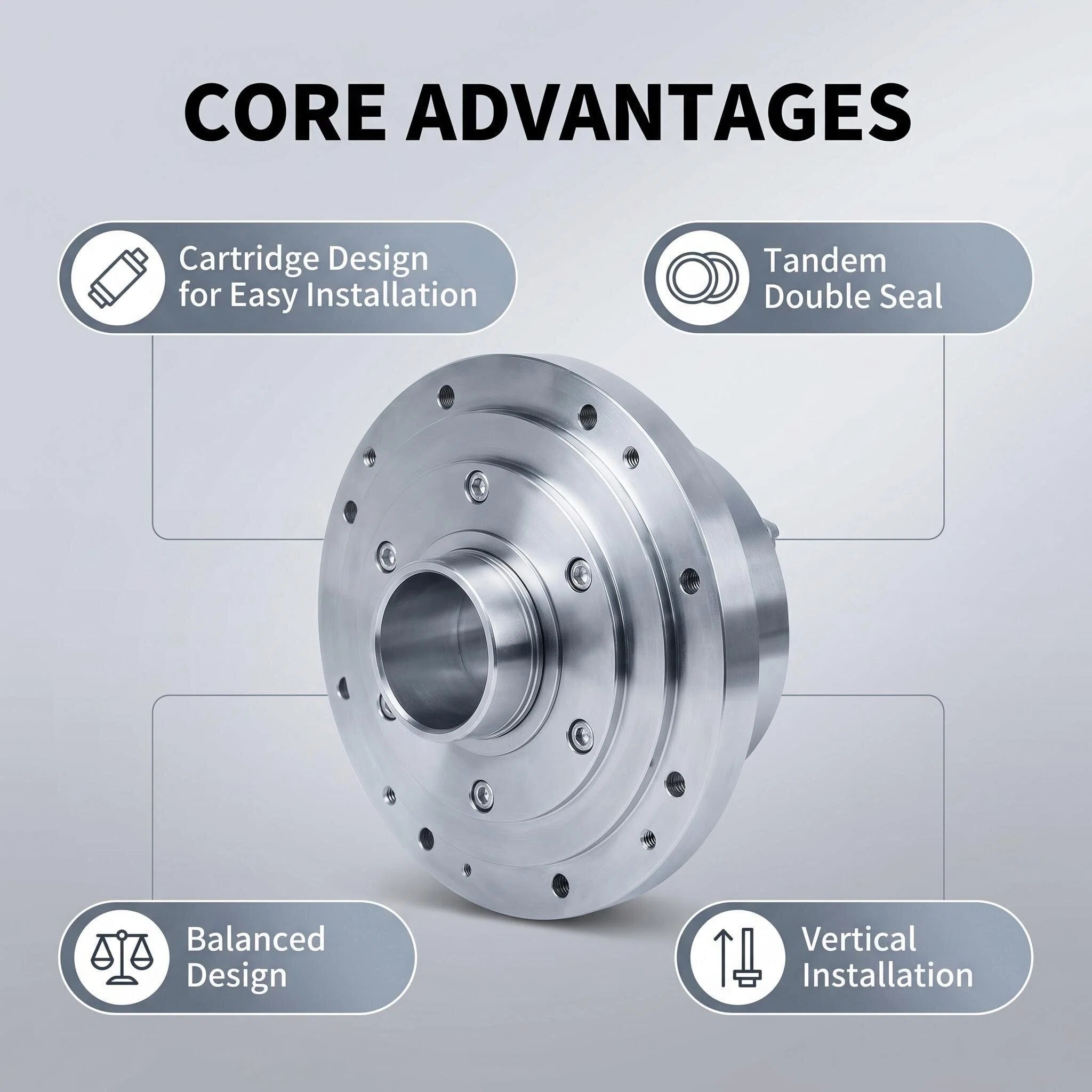
Corrosive environments demand precision engineering and materials that can withstand extreme chemical exposure without compromising operational reliability. The selection of an appropriate pump seal becomes critical when processing aggressive fluids, harsh solvents, or chemically reactive substances. Standard elastomer-based seals frequently fail in these demanding conditions, leading to equipment downtime, environmental contamination, and substantial replacement costs. Metal bellows technology represents a proven solution that addresses these challenges by combining superior material composition with innovative design principles specifically engineered for corrosive fluid handling.
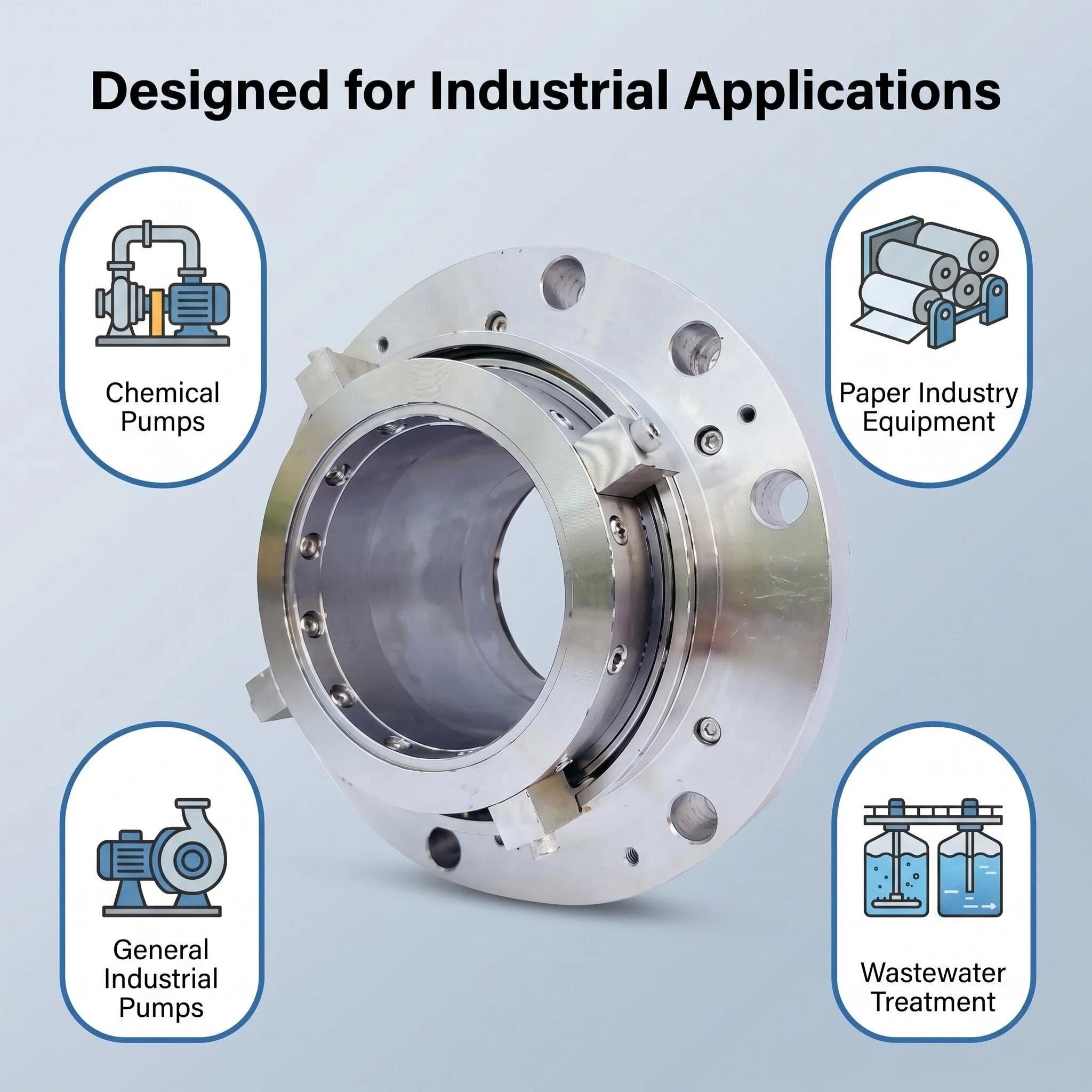
The fundamental advantage of a metal bellows pump seal lies in its construction methodology and material resilience. Unlike traditional elastomer seals that degrade when exposed to corrosive chemicals, metal bellows designs employ stainless steel or specialized alloy compositions that resist chemical attack. This structural integrity ensures that your industrial equipment maintains leak-free operation even when processing sulfuric acid, hydrochloric acid, bleach, aggressive solvents, and other highly corrosive substances. Organizations across chemical processing, pharmaceutical manufacturing, water treatment, and metal finishing industries have adopted metal bellows technology to extend equipment lifespan and reduce maintenance overhead.
Understanding Metal Bellows Pump Seal Design and Materials
Core Design Architecture of the Metal Bellows Pump Seal
The metal bellows pump seal functions through a sophisticated design that replaces traditional rubber or polymer components with precision-engineered metallic elements. At the heart of this design sits a welded metal bellows chamber constructed from duplex stainless steel, super duplex, or specialized alloys like Hastelloy, depending on the specific corrosive environment. This bellows structure compresses and expands during pump operation, accommodating shaft movement and pressure fluctuations while maintaining a hermetic seal that prevents fluid leakage. The pump seal configuration typically includes a primary sealing face, often made from ceramic or tungsten carbide, which engages against a rotating or stationary mating surface to create a zero-leakage barrier.
Material Selection and Chemical Resistance Properties
Selecting the correct material composition for your metal bellows pump seal determines its longevity in specific corrosive environments. Duplex stainless steel (grade 2205) offers excellent resistance to chloride corrosion and organic acids, making it suitable for general chemical processing applications. Super duplex materials provide enhanced performance in highly aggressive environments containing chloride ions or requiring superior pitting resistance. For exceptionally corrosive conditions involving strong oxidizing agents or extreme chemical combinations, Hastelloy or titanium-based metal bellows pump seal designs deliver unmatched durability. The secondary components, including elastomer bellows springs and backup rings, are carefully selected to resist the specific chemicals processed by your pump system, ensuring comprehensive corrosion protection throughout the entire pump seal assembly.
Performance Advantages in Corrosive Applications
Extended Equipment Lifespan and Reduced Downtime
Organizations implementing metal bellows pump seal technology experience dramatically extended equipment operational periods compared to traditional seal designs. While conventional elastomer seals may require replacement every 6–12 months in corrosive applications, a properly selected metal bellows pump seal often operates reliably for 3–5 years or longer. This extended service life translates directly to reduced maintenance scheduling, lower spare parts inventory requirements, and diminished emergency repair situations that interrupt production workflows. The reliability of a metal bellows pump seal in handling aggressive chemicals means your team can focus resources on core business activities rather than managing seal failures and equipment repairs.
Zero-Leakage Performance and Environmental Compliance
Environmental regulations and safety standards increasingly demand zero-leakage performance from equipment handling hazardous chemicals. A metal bellows pump seal achieves this requirement through precision engineering that creates an impermeable barrier against fluid escape. The hermetically sealed bellows chamber prevents any contact between corrosive fluids and the external environment, eliminating both worker exposure risks and environmental contamination potential. This environmental protection capability makes the metal bellows pump seal an essential component for facilities subject to strict EPA compliance, OSHA regulations, or international environmental protection standards. The zero-leakage characteristic also reduces chemical waste, supporting cost reduction initiatives while fulfilling corporate sustainability objectives.
Industrial Applications and Suitability Across Market Segments
Chemical Processing and Specialty Manufacturing Industries
The chemical processing sector represents the primary domain where metal bellows pump seal technology delivers exceptional value. Facilities processing sulfuric acid, hydrochloric acid, nitric acid, and other mineral acids depend on reliable metal bellows pump seal performance to prevent catastrophic leaks and equipment failure. Specialty chemical manufacturers handling fluorine compounds, bromine, and other highly reactive substances require the corrosion resistance that only advanced metal bellows pump seal designs can provide. Pharmaceutical manufacturers processing aggressive cleaning solvents and sterilizing agents benefit from the durability and compliance capabilities inherent in metal bellows pump seal technology. These industries recognize that investing in superior pump seal solutions reduces total cost of ownership through extended service intervals and eliminated emergency repairs.
Water Treatment and Environmental Protection Applications
Municipal and industrial water treatment facilities handle chemically aggressive fluids that systematically damage conventional seals. A robust metal bellows pump seal withstands continuous exposure to chlorine, sodium hypochlorite, and oxidizing treatment chemicals that would quickly degrade elastomer alternatives. Wastewater treatment plants processing acidic or highly alkaline solutions depend on the corrosion resistance of metal bellows pump seal designs to maintain reliable operation across seasonal variations and fluctuating chemical concentrations. The metal bellows pump seal technology enables treatment facilities to maintain consistent operational performance while meeting increasingly stringent environmental discharge standards and water quality requirements. By selecting an appropriate metal bellows pump seal configuration, water treatment operators ensure regulatory compliance while minimizing equipment replacement frequency and associated downtime costs.
Selection Criteria and Implementation Considerations
Evaluating Environmental Compatibility and Material Matching
Successfully implementing a metal bellows pump seal begins with comprehensive analysis of your specific corrosive environment and fluid chemistry. Document the precise chemical composition, operating temperature range, pressure parameters, and expected exposure duration to enable accurate material selection. Consult detailed corrosion resistance tables and compatibility matrices to identify which metal bellows pump seal material composition provides optimal performance for your application. Some corrosive environments may require custom-engineered metal bellows pump seal configurations combining multiple specialized materials to achieve the necessary chemical resistance. This methodical evaluation process ensures your selected pump seal solution delivers reliable long-term performance rather than requiring premature replacement due to material incompatibility or underestimated corrosive severity.
Installation, Maintenance, and Operational Best Practices
Proper installation techniques significantly influence the operational longevity of your metal bellows pump seal investment. Follow manufacturer specifications regarding shaft runout tolerances, mating surface preparation, and installation pressure parameters to ensure the pump seal components engage correctly. Implement preventive maintenance schedules that include periodic vibration monitoring, temperature observation, and pressure verification to detect potential metal bellows pump seal degradation before critical failure occurs. Maintain detailed records documenting when your metal bellows pump seal was installed, chemical exposure history, operating conditions, and any observed performance changes. This documentation enables your maintenance team to optimize replacement intervals and identify any patterns suggesting environmental factors that might compromise pump seal performance. Training operational staff on proper startup procedures and shutdown sequences helps minimize stress on the metal bellows pump seal and extends its reliable service period.
FAQ
What makes a metal bellows pump seal superior to elastomer alternatives in corrosive environments?
Metal bellows pump seal designs offer fundamentally superior chemical resistance because they replace vulnerable elastomer components with corrosion-resistant metallic materials like duplex stainless steel or Hastelloy. Elastomer seals absorb aggressive chemicals, swell, degrade, and eventually fail, while metal construction prevents chemical penetration entirely. Additionally, the metal bellows pump seal architecture eliminates direct contact between corrosive fluids and structural components, creating a hermetically sealed environment that maintains integrity even under extreme chemical exposure. This material advantage translates to service life extending 3–5 years compared to 6–12 months for traditional solutions.
How do I select the correct material composition for my specific corrosive environment?
Material selection for a metal bellows pump seal requires detailed chemical compatibility analysis specific to your fluid composition and operating conditions. Start by documenting your exact chemicals, concentrations, operating temperatures, and pressure ranges. Consult corrosion resistance reference guides and compatibility matrices provided by pump seal manufacturers to identify suitable material options. For complex multi-chemical environments or aggressive conditions, work directly with experienced pump seal engineers who can recommend custom metal bellows pump seal configurations that match your unique requirements. Testing small quantities with candidate pump seal materials before full-scale implementation helps confirm compatibility and expected performance.
What cost savings can organizations expect from implementing metal bellows pump seals?
While metal bellows pump seal solutions require higher initial investment than conventional seals, total cost of ownership typically favors this technology through substantially extended service intervals and eliminated emergency downtime. Organizations frequently reduce annual maintenance costs by 40–60% through decreased replacement frequency, lower spare parts inventory, and eliminated emergency repair labor. Environmental compliance benefits and reduced chemical waste further offset the pump seal investment through decreased regulatory penalties and improved operational efficiency. The extended 3–5 year service life of a quality metal bellows pump seal typically provides superior economic value over a 5–10 year operational period compared to repeatedly replacing damaged elastomer alternatives.