
 EN
EN
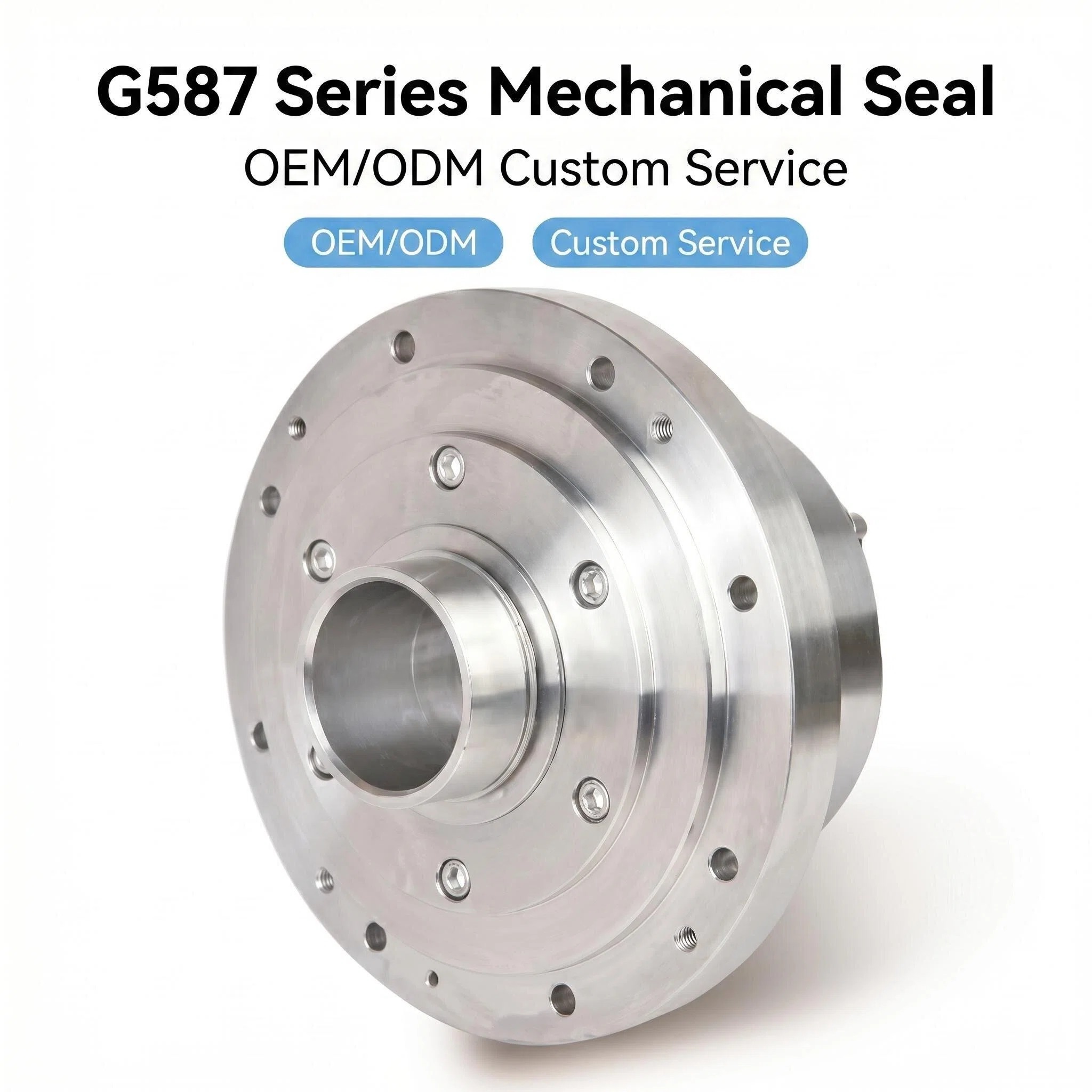
Understanding the distinction between single and double mechanical pump seals is essential for selecting the right sealing solution in industrial applications. Each pump seal type serves a specific purpose and operates under different conditions, making it crucial for engineers and maintenance professionals to recognize how they function differently. The choice between single and double configurations directly affects equipment reliability, maintenance frequency, and operational costs. This guide explores the fundamental differences between these two pump seal designs and helps you determine which option best fits your operational requirements.
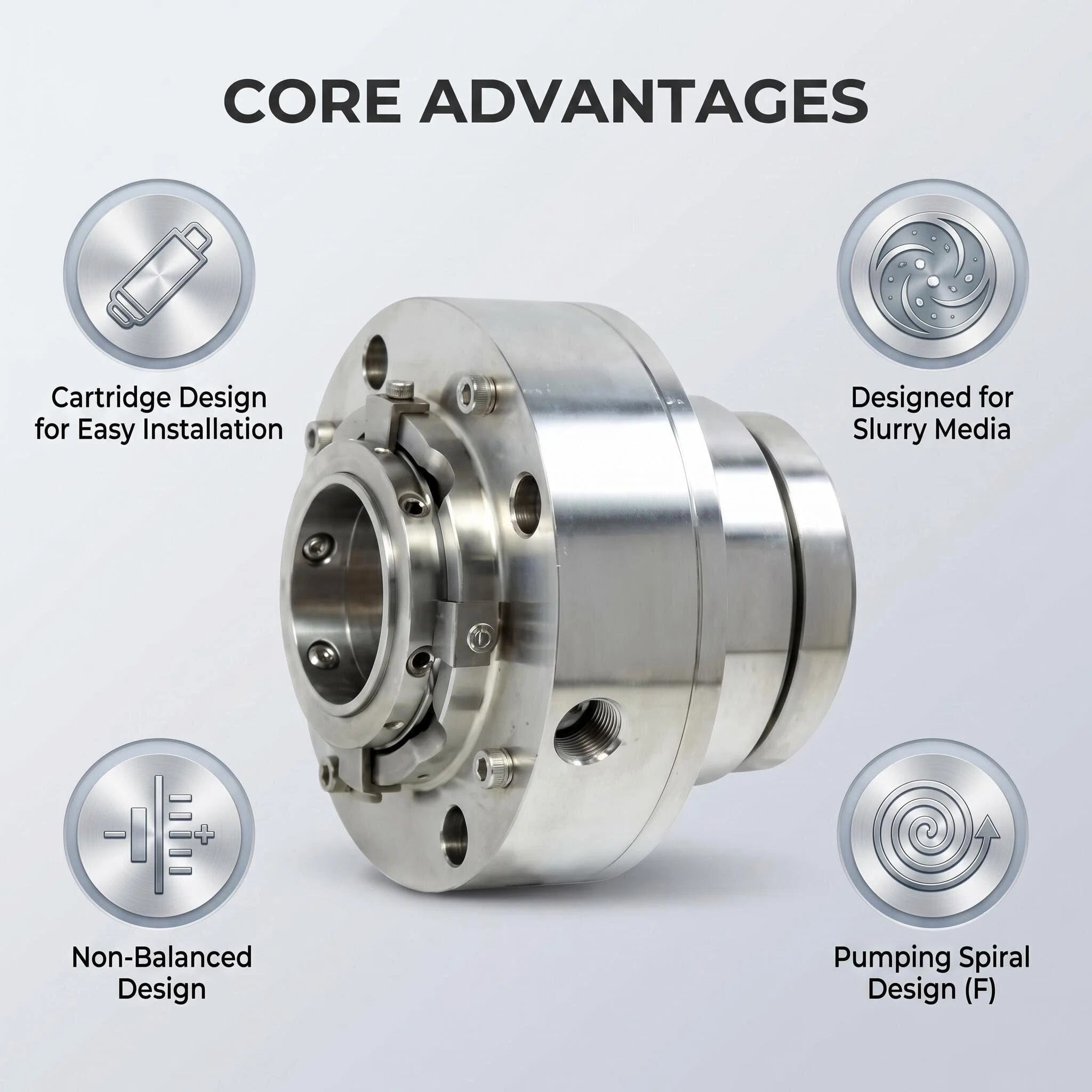
Single and double mechanical pump seal configurations represent two distinct approaches to preventing fluid leakage in rotating equipment. A pump seal manages the critical interface between stationary and rotating components, where leakage risks are highest. Double configurations provide enhanced protection through redundancy, while single pump seal designs offer simplicity and cost efficiency. Knowing the operational differences helps you optimize equipment performance and extend service intervals.
Understanding Single Mechanical Pump Seal Design
Core Function and Structure
A single pump seal consists of one sealing interface where two carefully matched faces meet under spring pressure. The primary pump seal face remains stationary, while the mating face rotates with the pump shaft. This fundamental pump seal arrangement creates a narrow film of liquid that lubricates and cools the sealing surfaces during operation. The single pump seal design minimizes complexity by using fewer components, which reduces both initial cost and installation time. Spring tension maintains consistent contact pressure, ensuring the pump seal adapts to minor shaft runout variations while preventing excessive leakage.
Operational Characteristics and Limitations
Single pump seal performance depends heavily on consistent operating conditions and proper installation. Temperature fluctuations and pressure spikes can challenge single configurations more readily than alternative pump seal designs. The pump seal operates with only one barrier between the sealed fluid and the external environment, meaning any degradation directly compromises system integrity. Single pump seal systems work well in stable, low-contamination applications where fluid properties remain constant. However, abrasive particles or thermally unstable fluids may accelerate wear on the pump seal surfaces, shortening service intervals. Many industries favor single configurations for cost-sensitive applications where maintenance resources are readily available.
Exploring Double Mechanical Pump Seal Functionality
Enhanced Protection Through Redundancy
Double pump seal systems employ two sealing stages in series, creating a backup barrier that significantly improves safety margins. The primary pump seal prevents main fluid leakage, while the secondary pump seal captures any microleakage that escapes the first stage. A collection chamber between the two stages allows for monitoring or controlled drainage, preventing pressure buildup that could damage equipment. This dual-stage pump seal arrangement is particularly valuable in critical processes where even small leakage volumes could compromise product quality or safety. Double pump seal configurations reduce the statistical likelihood of catastrophic failure because both sealing surfaces must fail simultaneously for complete leakage to occur. Industries handling hazardous, toxic, or valuable fluids frequently specify double pump seal systems as a non-negotiable requirement.
Complex Operation and Maintenance Demands
Double pump seal systems introduce greater complexity into maintenance routines and installation procedures. Each pump seal stage requires precise alignment and pressure management to function optimally. The intermediate chamber between the two pump seal stages must be monitored, drained, or circulated depending on the specific dual-seal design. Maintenance technicians need additional training to troubleshoot double configurations effectively, as multiple variables affect overall performance. Despite higher complexity, many operators consider the added pump seal stages a worthwhile investment when dealing with expensive fluids, hazardous materials, or processes requiring maximum uptime. The double pump seal design extends service intervals significantly by distributing wear across multiple sealing surfaces rather than concentrating stress on a single pump seal interface.
Comparative Performance Factors and Selection Criteria
Pressure and Temperature Tolerances
Single pump seal designs typically handle moderate pressure and temperature ranges effectively, making them suitable for standard industrial pumping applications. When operating conditions exceed design parameters, a single pump seal may experience accelerated degradation or unexpected failure. Double pump seal systems excel under extreme conditions because the secondary pump seal provides backup protection as the primary stage faces mounting stress. High-pressure operations, cryogenic applications, and elevated-temperature services benefit substantially from dual-stage pump seal redundancy. Temperature cycling is particularly challenging for single configurations because thermal expansion and contraction create micro-movements that gradually degrade pump seal surface finish. The secondary pump seal in double systems absorbs thermal shock, protecting the primary pump seal and maintaining overall system integrity.
Leakage Control and Environmental Compliance
Environmental regulations increasingly demand stringent leakage control in industrial pumping systems. Single pump seal designs typically allow small amounts of controlled leakage into external environments, which may violate modern emission standards. Double pump seal configurations can achieve near-zero external leakage by capturing any escape at the secondary pump seal stage. When the intermediate chamber is connected to a closed drainage system, virtually no environmental discharge occurs. This advantage makes double pump seal solutions attractive for facilities in strict regulatory jurisdictions or those handling environmentally sensitive fluids. The pump seal redundancy also provides documented compliance evidence during regulatory audits, reducing liability and operational risk.
FAQ
When should I choose a single pump seal over a double configuration?
Single pump seal systems are ideal for cost-sensitive applications with stable operating conditions, moderate pressures, and non-hazardous fluids. Choose a single pump seal when your process allows occasional leakage into approved drainage systems and when equipment downtime carries minimal financial consequences. Single configurations work well in food processing, standard industrial pumping, and internal circulation systems where regulatory pressure is minimal. A single pump seal reduces capital expenditure, simplifies maintenance training, and shortens installation timelines. Evaluate whether your facility can absorb the higher maintenance frequency and potential replacement costs associated with single pump seal wear patterns before making the final selection.
What are the maintenance differences between single and double pump seal systems?
Single pump seal maintenance focuses on monitoring temperature, pressure, and leakage rates to detect surface degradation early. Technicians typically replace a single pump seal when leakage exceeds acceptable thresholds or when visual inspection reveals surface damage. Double pump seal maintenance is more involved because both the primary pump seal and secondary pump seal require independent assessment. The intermediate chamber must be drained or monitored regularly to detect contamination or leakage accumulation. Double configurations often include a flush plan using external fluid circulation to cool and protect pump seal surfaces. Invest in proper training and documentation to ensure maintenance personnel understand the specific requirements of your double pump seal system and follow recommended service intervals consistently.
Can a single pump seal be retrofitted to a double configuration?
Retrofitting a single pump seal system to double configuration is often technically feasible but requires careful planning and component evaluation. Equipment originally designed for single pump seal operation may need structural modifications to accommodate the secondary pump seal stage and intermediate chamber. Pump casings may require ports for flush fluid injection or leakage monitoring depending on your chosen double pump seal design. Professional engineering consultation is essential to confirm compatibility and ensure the retrofit maintains equipment reliability and manufacturer warranties. In many cases, upgrading to equipment manufactured with double pump seal capability built-in proves more cost-effective than retrofitting existing single pump seal installations, particularly when considering long-term operational benefits and reduced maintenance complexity.