
 EN
EN
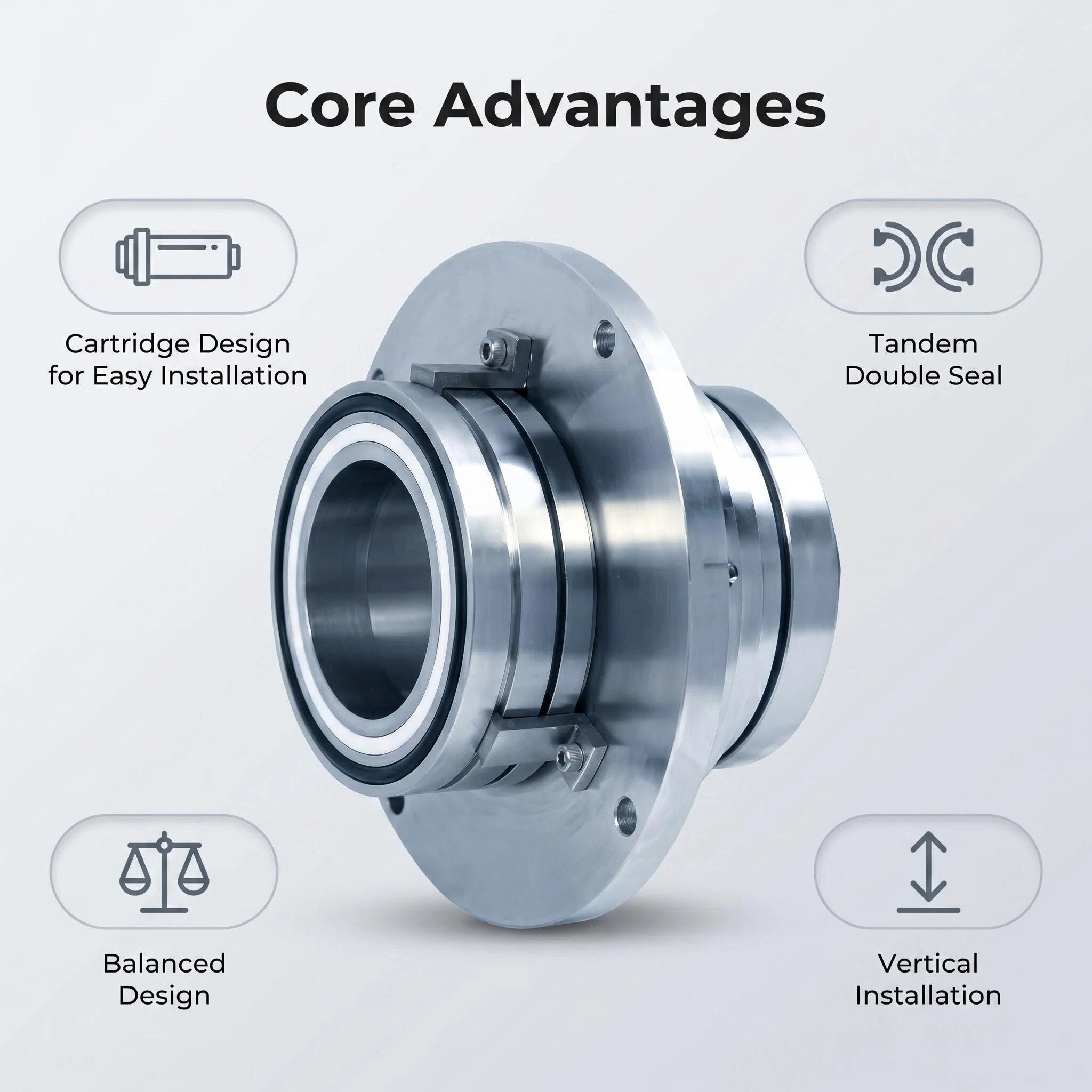
Pump seal leaks represent one of the most common operational challenges in industrial equipment maintenance. When a pump seal fails, the consequences can cascade quickly—from minor fluid loss to catastrophic equipment breakdown and environmental contamination. Understanding how to troubleshoot leaks in a pump seal effectively separates reactive maintenance teams from proactive ones. This guide walks you through the systematic diagnosis and resolution of pump seal leak issues, helping you identify root causes, take corrective action, and implement preventive strategies that extend equipment life and reduce unplanned downtime.
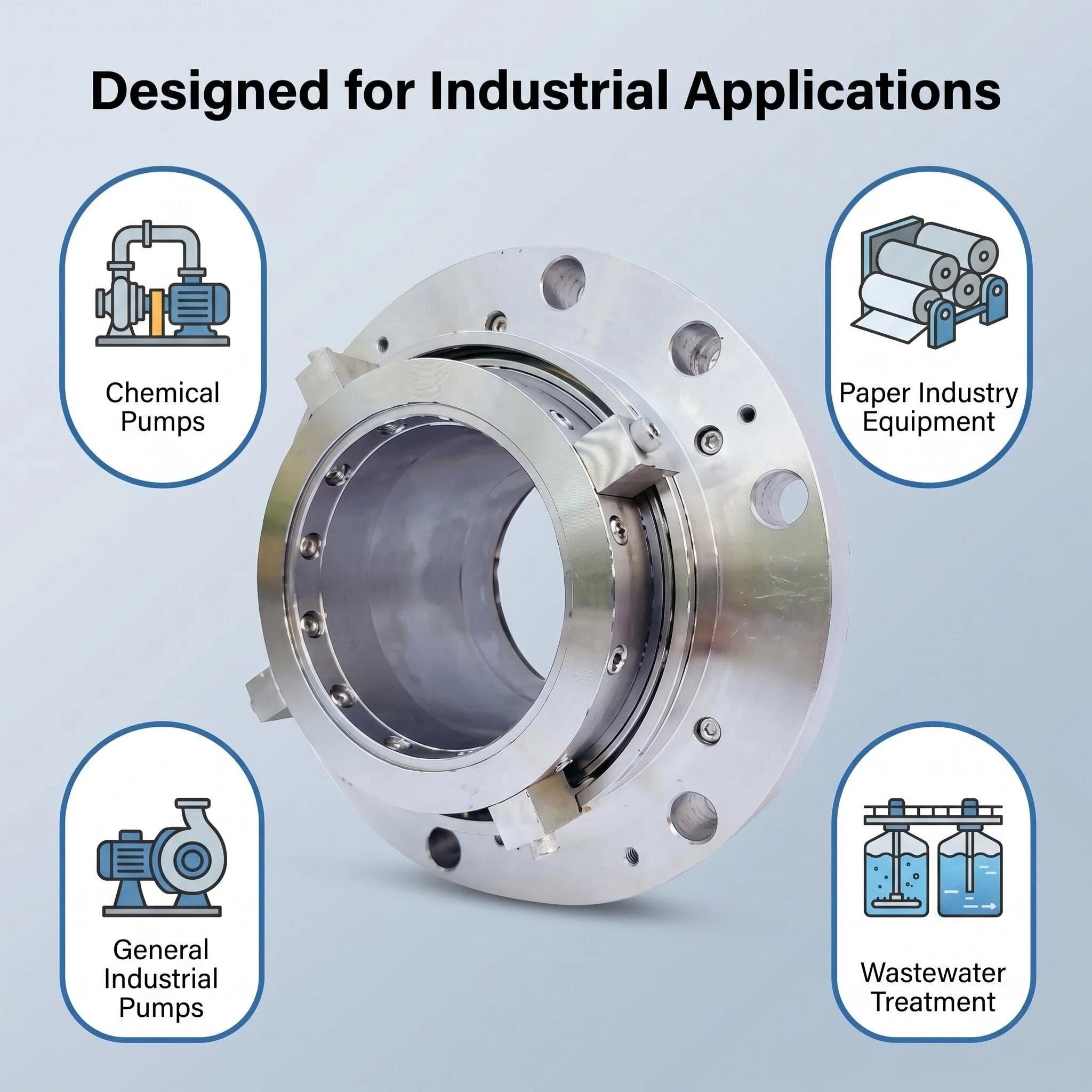
Troubleshooting a pump seal leak requires a structured approach that combines visual inspection, operational observation, and technical knowledge. A pump seal leak does not simply mean you have a minor drip—it signals that internal mechanical integrity is compromised. The faster you recognize symptoms and diagnose the underlying cause of a pump seal leak, the faster you can restore normal operation and prevent secondary damage to bearings, impellers, and motor components.
Identifying the Symptoms of a Pump Seal Leak
Visual and Operational Warning Signs
The first step in learning to troubleshoot leaks in a pump seal is recognizing when a problem exists. Visible fluid accumulation around the pump housing, drips on the floor beneath the equipment, or staining on the pump's external surfaces are immediate red flags that your pump seal is failing. These visible indicators mean the pump seal is no longer performing its primary function of containing pressurized fluid. Beyond visual cues, operational signs include unusual noise patterns, increased vibration, or changes in discharge pressure. If your pump seal leak occurs intermittently during specific operational phases, this often points to pressure cycling or thermal expansion effects on the seal interface. Temperature rise around the pump housing can also indicate that a deteriorating pump seal is generating friction and heat due to inadequate lubrication or misalignment.
Fluid Loss and Performance Degradation
Monitoring fluid levels provides quantitative evidence of a pump seal leak problem. If your system requires frequent top-ups that exceed normal evaporation rates, a pump seal leak is likely the culprit. Performance metrics also change when a pump seal fails—discharge pressure may drop, flow rate may become inconsistent, or the pump may struggle to reach operating specifications. When troubleshooting leaks in a pump seal, correlate fluid loss rates with operational hours to establish whether the leak is accelerating. Rapid fluid loss indicates an advanced pump seal failure requiring immediate intervention, whereas slow seepage might allow time for planned maintenance scheduling.
Diagnosing Root Causes of Pump Seal Leaks
Mechanical and Environmental Factors
A pump seal leak does not occur randomly—specific mechanical and environmental conditions drive seal degradation. Misalignment between the pump shaft and driven equipment creates eccentric loading on the pump seal, causing uneven contact pressure and accelerated wear. When you troubleshoot leaks in a pump seal and discover alignment issues, this becomes a primary focus for corrective action. Temperature extremes also compromise pump seal material properties; both excessive heat and cold can reduce elastomer flexibility or cause thermal stress that opens micro-gaps in the seal interface. Fluid contamination introduces abrasive particles that score the pump seal surfaces, creating pathways for leakage. If your analysis of a pump seal leak reveals contamination as the root cause, implementing improved filtration becomes essential to prevent recurrence.
Installation and Design Considerations
Improper installation is a frequent source of pump seal leak issues. If the pump seal was not seated correctly during assembly, or if installation clearances were not maintained within specification, the seal will fail prematurely. During troubleshooting of leaks in a pump seal, verify that the seal was installed to the correct depth, orientation, and with proper compression. Bearing wear also indirectly causes pump seal leaks by introducing shaft runout or play that allows the pump seal to lift off its seating surface. As bearing clearances increase over time, pump seal contact pressure drops, and leakage begins. Additionally, the specific pump seal design must match your application's pressure, temperature, speed, and fluid chemistry. Using an incompatible pump seal or one rated below your operating conditions guarantees failure.
Implementing Troubleshooting Steps and Solutions
Inspection and Measurement Protocols
When troubleshooting leaks in a pump seal, begin with systematic inspection. Stop the pump and allow pressure to equalize, then examine the leak location carefully. External leakage at the pump seal gland indicates that the pump seal itself is the problem; leakage from shaft threads or case drains suggests different issues. Measure the leak rate by collecting fluid over a timed interval; this quantifies severity and helps determine urgency. Inspect the pump seal chamber for debris, corrosion, or crystalline buildup that might prevent proper sealing. Check shaft runout using a dial indicator if the pump seal leak is accompanied by vibration. A pump seal leak combined with significant shaft runout points clearly to bearing wear as the underlying cause.
Corrective Measures and Long-Term Prevention
Once you identify the root cause of a pump seal leak, corrective action varies based on findings. For thermal-related pump seal leaks, verify cooling system function and reduce operating temperature. For alignment-related pump seal leaks, realign the pump and driven equipment to manufacturer specifications. For contamination-driven pump seal leak issues, upgrade filtration and implement oil analysis protocols. In many cases, simply replacing the pump seal stops the immediate leak, but this temporary fix fails if underlying conditions persist. A pump seal leak caused by bearing wear requires bearing replacement, not just seal replacement. A pump seal leak resulting from misalignment requires realignment before reassembly. Troubleshooting leaks in a pump seal successfully means addressing the primary cause, not just the symptom.
FAQ
What causes a pump seal leak in normal operation?
A pump seal leak during normal operation typically results from seal face wear, misalignment, bearing degradation, fluid contamination, or temperature extremes. Normal wear of the pump seal happens over time as the seal faces experience friction. Troubleshooting begins by checking operational parameters like pressure, temperature, and vibration, then visually inspecting the seal chamber and measuring shaft runout.
Can I continue running equipment with a pump seal leak?
Continuing operation with a pump seal leak is risky and typically not recommended. Even small leaks indicate that a pump seal is no longer sealing effectively, and conditions usually worsen rapidly. Continued operation can allow fluid loss to accelerate, damage surrounding components, and create environmental hazards. Instead, troubleshoot leaks in a pump seal promptly and schedule corrective maintenance to prevent catastrophic failure.
How do I prevent pump seal leaks after repair?
Preventing pump seal leaks after repair requires addressing the root cause identified during troubleshooting. Maintain alignment within specification, keep bearing clearances within limits, implement robust filtration to prevent contamination, monitor operating temperature, and follow the manufacturer's lubrication schedule. Regular inspection and fluid analysis help detect early signs of pump seal degradation, allowing you to perform maintenance before another leak develops.