
 EN
EN
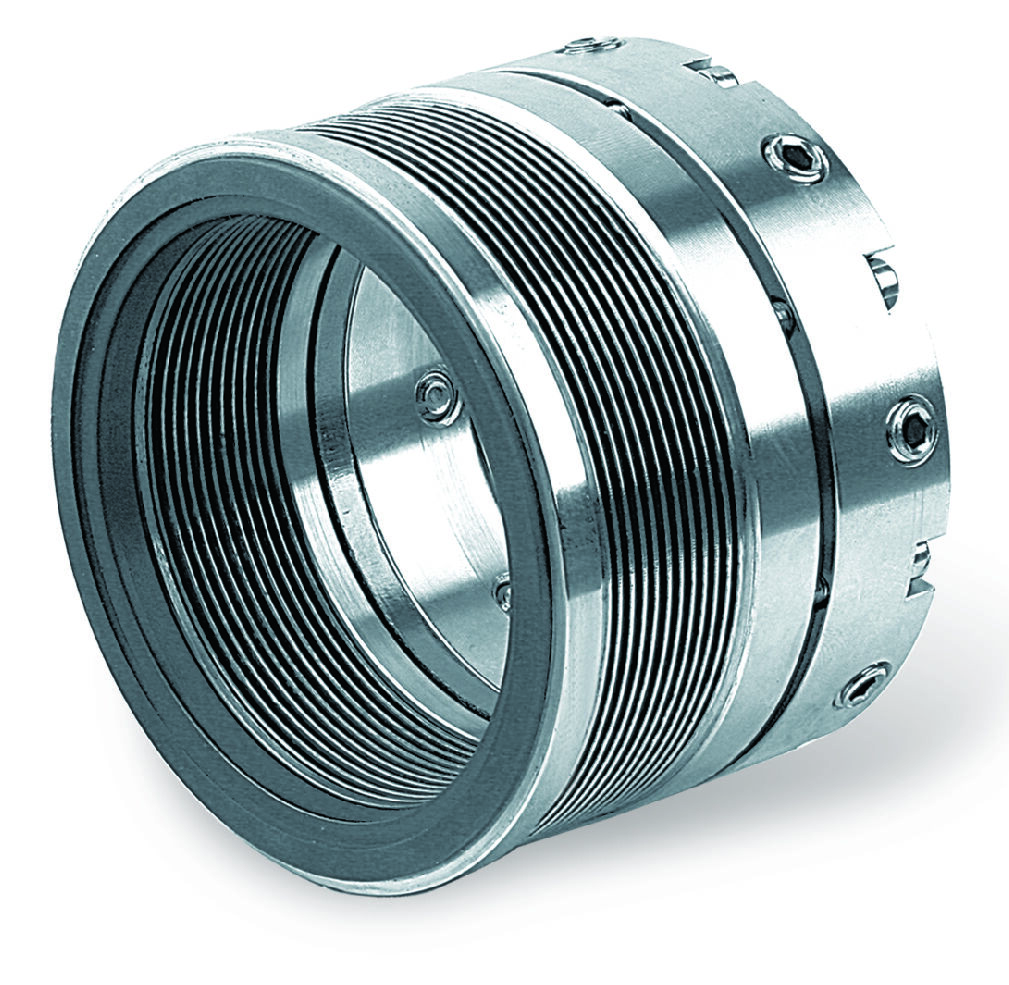
Understanding Bellows Mechanical Seals and Their Role in Pump Reliability
The Critical Function of Sealing in Industrial Pump Systems
Around 3 to 7 percent of pump efficiency gets lost every year because of failed seals, and this leakage can cost facilities as much as $740,000 when operations have to shut down according to Ponemon's research from last year. Bellows mechanical seals serve as the primary protection against leaks, forming tight barriers capable of handling pressure levels reaching 1,450 psi while still allowing for expansion when temperatures change. These aren't your standard packing seals though. The newer zero-leakage designs stop those pesky fugitive emissions during chemical transfers and maintain strict control over fluids in sensitive pharmaceutical processes where even tiny amounts of contamination matter a lot.
How Bellows Mechanical Seals Prevent Leakage Under Dynamic Conditions
Corrugated metal bellows designs get rid of those spring loaded parts that tend to clog up over time. They can handle about half a millimeter of axial movement back and forth without breaking the seal's integrity. Some testing done at refineries indicates these bellows seals cut down on failures caused by particles getting stuck inside by around 62 percent when compared against older pusher type seals according to ASME research from last year. For pumps dealing with gritty slurries or systems experiencing quick changes in pressure, this flexibility really matters because standard seals typically break down after only about 400 hours of operation in such conditions.
Case Study: Reducing Downtime in Chemical Processing With Non-Pusher Bellows Seals
A leading chemical processor eliminated 70% of unplanned maintenance after replacing 132 aging pusher seals with metal bellows units. The non-pusher design reduced seal-face vibration by 40%, extending mean time between repairs (MTBR) from 6 to 22 months. The retrofit achieved ROI in 14 months through avoided production losses of $2.8M annually.
Key Performance Comparison
| Metric | Pusher Seals | Bellows Seals |
|---|---|---|
| Leakage Rate (ml/hr) | 12–18 | 0–0.3 |
| MTBR (months) | 6–9 | 18–24 |
| Pressure Limit (psi) | 900 | 1,450 |
The global mechanical seals market is projected to grow by $1.75B by 2029 (Technavio 2024), driven by increased adoption in high-demand sectors like lithium extraction and hydrogen processing.
Types and Structural Configurations of Bellows Mechanical Seals
Single, Double, and Cartridge-Style Bellows Mechanical Seal Designs
Bellows mechanical seals come in three primary configurations:
- Single seals provide basic leak prevention for standard pressure and temperature ranges.
- Double seals add redundancy for toxic or volatile fluids using a barrier fluid between two bellows assemblies.
- Cartridge-style seals integrate all components into a pre-assembled unit, reducing installation errors and cutting replacement time by 73% in industrial trials.
These designs address distinct operational needs, with cartridge models particularly valuable in environments requiring rapid, error-free maintenance.
Metal Bellows vs Elastomeric Bellows: Performance and Durability Comparison
Material choice directly impacts longevity and compatibility:
| Characteristic | Metal Bellows | Elastomeric Bellows |
|---|---|---|
| Temperature Range | -200°C to +800°C | -50°C to +200°C |
| Chemical Resistance | Superior for acids | Limited to mild media |
| Cycle Life | 100,000+ rotations | 25,000–50,000 rotations |
Metal variants dominate harsh environments like refineries, while elastomeric seals serve cost-sensitive applications with non-corrosive fluids.
Why Bellows Seals Outperform Traditional Spring-Loaded Mechanical Seals
Bellows seals eliminate spring corrosion and particulate clogging–two leading causes of failure in spring-loaded designs. Their welded construction maintains consistent face loading under thermal expansion, reducing leakage incidents by 92% in pump vibration studies. This makes them ideal for systems handling abrasive slurries or extreme temperature swings.
When Spring-Loaded Seals May Still Be Suitable Despite Limitations
Spring-loaded seals remain viable for low-speed (<1,200 RPM) water pumps and non-critical applications where budget constraints outweigh performance needs. Proper O-ring selection can extend service life to 2–3 years in controlled environments, though operators sacrifice the self-cleaning advantages of bellows designs.
Material Compatibility and Chemical Resistance in Bellows Seal Selection
Chemical resistance and temperature tolerance across aggressive media
Bellows mechanical seals need to hold up against harsh chemicals without losing their shape or strength. According to research published in 2023 by the Fluid Sealing Association, around two thirds of all seal failures actually come down to wrong material choices for specific chemicals. The best performing seals are made from materials that have been put through rigorous testing under ASTM G127 guidelines. These materials can stand up to things like concentrated sulfuric acid and strong caustic solutions that would destroy lesser materials. Temperature resistance matters just as much too. Think about geothermal plants where temps regularly go above 300 degrees Celsius. For these environments, engineers look for special alloys that expand predictably when heated so the seals don't warp or fail unexpectedly.
Material options: Stainless steel, Hastelloy, and fluoropolymer coatings
| Material | Temperature Range | Chemical Resistance | Typical Applications |
|---|---|---|---|
| 316 Stainless Steel | -50°C to 400°C | Moderate acids, alkalis | Water treatment, mild chemicals |
| Hastelloy C-276 | -200°C to 600°C | Concentrated acids, chlorides | Oil & gas, chemical processing |
| Fluoropolymer-Coated | -30°C to 260°C | Solvents, aggressive organics | Pharmaceutical, food processing |
Stainless steel offers cost-effective corrosion resistance for neutral media, while Hastelloy’s nickel-molybdenum-chromium matrix handles extreme acidity. Fluoropolymer coatings provide non-stick surfaces for sticky fluids but require careful application to avoid delamination.
Balancing corrosion resistance and cost in oil & gas vs pharmaceutical applications
Oil companies tend to go with Hastelloy seals even though they cost anywhere from three to five times what steel would be, because these seals stop those terrible wellhead leaks that nobody wants. On the other side of things, folks making pharmaceuticals usually opt for stainless steel coated with fluoropolymers. They get their FDA required clean standards while spending about 40 percent less over time compared to those fancy alloy options. The choice really comes down to how dangerous the fluids are. When dealing with hydrocarbons where any leak is totally unacceptable, there's no room for compromise. But in pharmaceutical work, sometimes materials can be stepped down a notch as long as tests according to ASTM F138 show everything still works safely enough.
Matching Bellows Seals to Operating Conditions: Pressure, Temperature, and Speed
Pressure Limitations and Performance Envelopes for High-Pressure Pumps
Bellows mechanical seals keep pumps running without leaks even when dealing with pressures as high as 250 Bar. Made from welded metal instead of springs, these seals avoid the fatigue problems that plague older seal designs. This means they stay sealed properly at those extreme pressures where standard pusher type seals just give up. Power plant engineers really appreciate this feature for boiler feed pumps. The newer dual pressure bellows setups spread out the force across the sealing surfaces so nothing gets bent out of shape during those sudden pressure surges that happen all too often in industrial settings.
Thermal Expansion and Cryogenic Challenges in Temperature Extremes
When temperatures swing between minus 40 degrees Celsius and 300 degrees, standard materials just won't cut it for bellows applications. Stainless steel works okay for average thermal changes, but when dealing with extreme cold like in liquefied natural gas transfer systems, engineers turn to Hastelloy C-276. This alloy stands up much better against becoming brittle at those freezing temps. For the really hot environments found in chemical reactors though, the game changer is edge welded bellows paired with fluoropolymer coated secondary seals. These setups fight off creep deformation far better than regular rubber seals do. Some field tests showed they last about 72 percent longer under stress conditions. Makes sense why so many plants are making this switch nowadays.
Optimizing Seal Design for Rotational Speed and Shaft Dynamics
When shaft speeds go above 4 meters per second, bellows seals actually work better than those spring-loaded alternatives because they get rid of those pesky dynamic balance issues. Some real world testing back in 2023 looked at centrifugal pumps in refineries and found that these tapered bellows cut down on axial vibrations by almost 40% compared to what we normally see with standard designs. And let's not forget about those high speed mixers either. Integrally mounted bellows really help fight off fretting corrosion since they keep that face contact consistent even when the shaft bends a bit radially. Makes sense when thinking about long term equipment reliability.
Application-Driven Selection: Fluid Characteristics and Equipment Integration
How Fluid Cleanliness, Lubricity, and Volatility Affect Bellows Mechanical Seal Life
What kind of fluid is running through the system really makes all the difference when it comes to how well seals perform. According to research published by the Fluid Sealing Association back in 2023, around one third of mechanical seal failures actually happen because the seal just doesn't play nice with whatever volatile or gritty substance it's supposed to handle. When we're talking about those super cold environments like liquid nitrogen storage tanks, the problem gets worse fast since these low lubricity fluids basically eat away at metal bellows over time. Refineries face their own challenges too dealing with thick hydrocarbons that tend to form carbon deposits inside equipment. For anyone working on maintenance schedules, checking both fluid cleanliness levels (especially needing at least 95% filtration for pharmaceutical grade stuff) and understanding vapor pressure limits becomes absolutely critical if they want to avoid having to replace seals way before their expected lifespan ends.
Applications Across Industries: From Petrochemicals to Wastewater Treatment
Bellows mechanical seals adapt to extreme environments:
- Chemical processing: Handle sulfuric acid (up to 98% concentration) with nickel-alloy bellows
- Wastewater treatment: PTFE-coated seals withstand pH fluctuations from 2–12
- Pharmaceuticals: FDA-compliant designs prevent microbial ingress in sterile pumps
A 2022 case study showed chemical plants reduced unplanned maintenance by 41% after switching to welded metal bellows seals for high-temperature heat transfer oils.
Equipment Compatibility: Shaft Dimensions, Seal Chamber Specs, and Retrofitting
| Parameter | Standard Seals | Custom Bellows Seals |
|---|---|---|
| Shaft Runout Tolerance | ’0.002 inches | ’0.005 inches |
| Axial Movement | ±0.5 mm | ±2.0 mm |
| Retrofitting Time | 4–6 hours | 1.5–2 hours |
Leading manufacturers now offer split-seal designs that reduce pump downtime during retrofits by 60%, which is especially beneficial for aging wastewater infrastructure with non-standard shaft diameters.
Strategic Selection Guide: Evaluating Temperature, Pressure, and Fluid Type Together
Operators should cross-reference three key factors:
- Temperature ranges (-320°F to 1,000°F for specialty bellows)
- Pressure spikes (up to 1,500 psi in API 682 Category 3 seals)
- Chemical attack risks (ASTM G127 corrosion testing)
A refinery applying this triaxial method extended mean time between failures (MTBF) from 11 to 28 months in crude oil charge pumps.
Lifecycle Cost Analysis: Prioritizing Long-Term Value Over Initial Price
While bellows mechanical seals cost 20–35% more upfront than spring-loaded alternatives, their 7–10 year service life reduces total ownership costs by 54% (Pump Industry Analyst, 2024). This results from:
- 80% lower leakage rates
- 67% fewer emergency replacements
- 90% reduction in ancillary seal water systems
Pharmaceutical plants report a 19-month ROI after upgrading to sterile bellows seals compliant with ASME BPE-2022 standards.
FAQ
What are bellows mechanical seals used for?
Bellows mechanical seals are primarily used to prevent leakage in pumps, handling pressure levels up to 1,450 psi and accommodating temperature changes in various industrial applications.
How do bellows mechanical seals compare to traditional spring-loaded seals?
Bellows mechanical seals eliminate the need for spring-loaded parts, thus avoiding corrosion and clogging. They maintain seal integrity better under dynamic conditions and extreme temperature swings.
Do bellows seals suit high-pressure environments?
Yes, bellows seals are designed to withstand high pressures, often used in environments like power plants where pressures can rise to 250 Bar.
Table of Contents
- Understanding Bellows Mechanical Seals and Their Role in Pump Reliability
- Types and Structural Configurations of Bellows Mechanical Seals
- Material Compatibility and Chemical Resistance in Bellows Seal Selection
- Matching Bellows Seals to Operating Conditions: Pressure, Temperature, and Speed
-
Application-Driven Selection: Fluid Characteristics and Equipment Integration
- How Fluid Cleanliness, Lubricity, and Volatility Affect Bellows Mechanical Seal Life
- Applications Across Industries: From Petrochemicals to Wastewater Treatment
- Equipment Compatibility: Shaft Dimensions, Seal Chamber Specs, and Retrofitting
- Strategic Selection Guide: Evaluating Temperature, Pressure, and Fluid Type Together
- Lifecycle Cost Analysis: Prioritizing Long-Term Value Over Initial Price
- FAQ