
 EN
EN
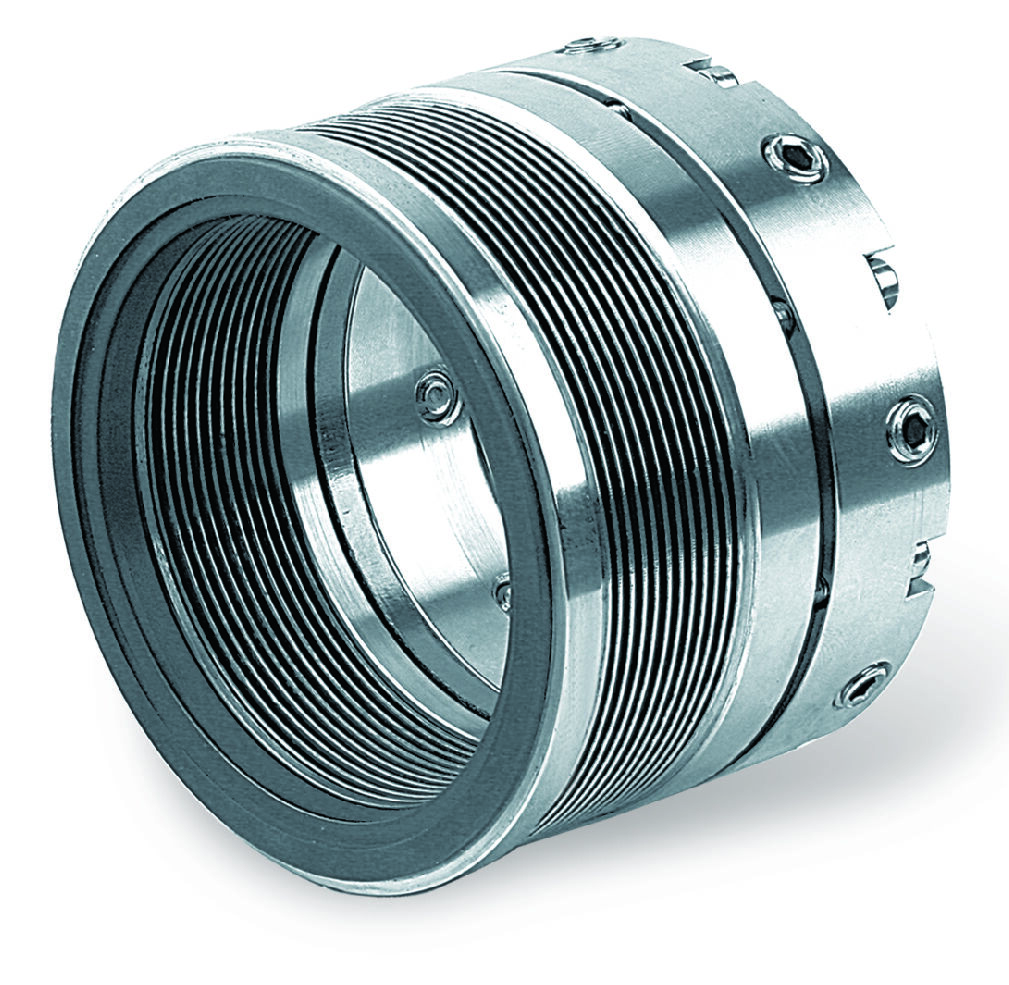
Understanding Bellows Mechanical Seals and the Importance of Correct Installation
How Bellows Mechanical Seal Design Enables Flexibility and Leak-Tight Performance
Bellows mechanical seals work so well at preventing leaks because of their flexible, accordion style construction, usually made from either metal or rubber materials. These seals can handle when the shaft moves back and forth along its axis while still keeping good contact between the seal faces. The whole point of this design is to deal with things like heat expansion and machine vibrations without letting the seal fail. When it comes to extreme heat conditions, edge welded bellows stand out as particularly tough options. They manage to keep the seal surface flat enough even when moving parts are putting pressure on them, staying within about 6 micrometers of perfect flatness according to tests published in Pump Industry Journal last year.
The Direct Link Between Precise Installation and Long-Term Seal Reliability
How well something is installed actually affects around 92 percent of how long a bellows seal will last before needing replacement. Small mistakes matter a lot too. For instance, if there's just a plus or minus 10% difference when tightening bolts, this leads to uneven pressure points on the seal surface. What happens then? The face wears down at least three times faster than normal. That's why many technicians swear by alignment instruments these days. Keeping lateral shaft misalignment under control (ideally less than 0.05 mm per meter) helps spread out stresses evenly across the component. This simple step cuts down dramatically on early failures from metal fatigue in bellows seals, which saves money and headaches in maintenance departments everywhere.
Common Misconceptions: Why "Simple" Replacement Risks Seal Failure
Bellows seal replacement might look straightforward at first glance, but it's actually pretty finicky when it comes to following the right procedures. Most maintenance crews tend to downplay how complicated this really is. We've seen plenty of cases where technicians grab those old gland bolts from previous jobs or skip over important surface prep steps just to save time. When these shortcuts happen, they bring in all sorts of contaminants and create uneven pressure distribution across the seal face. The result? Spiral failures that show up in about four out of five seals that get swapped out again within half a year. Shops that take their time with proper installation typically see much better longevity from these components.
Industry Data: Up to 60% of Bellows Mechanical Seal Failures Stem from Improper Installation
Field data from chemical processing plants show that 58–63% of bellows seal failures are tied to installation errors. The most critical issues include:
| Installation Error | Failure Rate Increase | Average Time to Failure |
|---|---|---|
| Misaligned faces (>0.1 mm) | 4.1x | 1,200 hours |
| Improper gland bolt sequence | 2.8x | 2,400 hours |
| Contaminated sealing surfaces | 5.6x | 800 hours |
(Source: Fluid Sealing Association 2023 Report)
Adherence to OEM installation procedures reduces seal-related downtime by 73%, underscoring the value of standardized protocols over generic practices.
Pre-Installation Preparation: Ensuring Compatibility and Cleanliness
Critical inspection of shaft, housing, and mating surfaces before installation
According to the latest Fluid Sealing Industry Report from 2024, about 43 percent of bellows seal failures actually come down to those tiny surface defects that nobody spots during inspection. When checking equipment, technicians should look closely at shaft runout which needs to stay under 0.002 inches, check if the housing bore is properly aligned, and examine how smooth those mating surfaces really are RA values below 32 microinches are what we're aiming for here. For getting rid of those pesky microburrs, grab some nonabrasive polishing cloths instead of anything harsher. Cleaning everything thoroughly matters too clean up all parts with good quality lint free wipes and give them a proper solvent flush. Don't underestimate this step either machining residue alone causes around 28% of premature wear problems, so spending extra time on cleaning before putting things together can save headaches later on.
Proper handling techniques to prevent damage to bellows mechanical seals
If someone compresses a bellows more than 20% of what it measures when not under pressure, this usually leads to permanent damage that cant be fixed later on. When putting away seals, keep them standing straight up inside their original boxes whenever possible. Never grab hold of the bellows itself to lift or hang parts around since this puts unnecessary strain on delicate areas. For those tricky press fit jobs, always go with installation sleeves along with torque limited drivers. These special tools help spread out the force evenly across surfaces rather than concentrating all that pressure in one spot. They also make sure welded connections stay strong over time instead of breaking down due to repeated bending stresses.
Verifying elastomer and material compatibility with operating conditions
Temperature extremes are responsible for 71% of elastomer-related seal failures (ASTM F404-23). Cross-check chemical resistance charts to confirm compatibility between seal materials and process media, including:
- Media exposure: Nitrile in sour gas applications
- Thermal range: FKM (< 400°F) versus FFKM (< 600°F)
- Pressure dynamics: Ensure bellows convolution count matches system pulsation frequency
Personnel not certified per ISA-76.2 standards for mechanical seal servicing increase error rates by 3.2, highlighting the need for qualified technicians.
Precision Alignment and Orientation During Bellows Mechanical Seal Installation
Why Alignment Minimizes Stress and Prevents Face Distortion in Bellows Seals
Accurate alignment promotes even load distribution across the seal faces, minimizing stress concentrations that accelerate wear. Studies indicate seals installed with ≤0.05 mm misalignment achieve 40% longer service life (Tribology International 2023). Correct orientation also prevents torsional strain on the bellows, which can distort sealing interfaces and compromise performance.
Using Precision Tools for Micron-Level Accuracy in Industrial Applications
Laser alignment systems along with calibrated dial indicators help installers get down to sub-10 micron tolerances, something absolutely necessary for installations in high pressure areas or places exposed to harsh chemicals. Just think about it: a tiny misalignment at the micron level can actually boost leakage rates in chemical pumps by as much as four hundred percent according to field tests we've seen. That's why these precision tools really shine when dealing with sensitive materials such as PTFE encapsulated bellows. For those components, maintaining dimensional stability isn't just good practice; it's literally what keeps the whole system functioning properly under varying temperatures.
Correct Installation Techniques to Avoid Metal Bellows Fatigue and Leakage
Key best practices include:
- Applying manufacturer-approved lubricants to seal faces to prevent dry-start damage
- Using hydraulic presses for uniform axial force during sleeve installation
- Confirming full range of bellows compression and extension before final assembly
Failure to follow these steps may induce micro-cracks that grow under operational cycling, ultimately leading to sudden leakage.
The Danger of "Close Enough": How Minor Misalignment Causes Premature Failure
Even a small 0.1 mm misalignment in refinery pump seals creates massive bending forces while rotating, sometimes hitting around 8,000 pounds per square inch. That's actually three times what most materials can normally handle according to industry standards from 2022. These kinds of stresses lead to metal fatigue pretty quickly too. What happens? Pump failures start showing up after just about 500 hours rather than the normal 8,000 hour life span we expect. Smart refineries have started checking for these problems right at startup time using vibration monitoring systems. They look for those tiny alignment issues early on so they can fix them before bigger problems develop down the line.
Post-Installation Verification and Maintenance Best Practices
Monitoring for early signs of leakage, vibration, or misalignment
Proactive monitoring prevents 65% of catastrophic seal failures (2023 fluid systems reliability studies). Implement daily visual checks for weepage and deploy vibration sensors to flag readings exceeding 2.5 mm/s RMS. Infrared thermography can reveal thermal imbalances due to misalignment within the first hour of operation, enabling immediate correction.
Routine maintenance protocols to extend bellows mechanical seal service life
Regular maintenance extends seal life by 40–60% in industrial settings. Essential tasks include measuring bellows compression with calibrated instruments (±5% tolerance), flushing seal chambers to eliminate particulates, and assessing elastomer condition via hardness testing. Following OEM torque specifications during servicing prevents 28% of maintenance-induced failures, according to 2024 pump reliability analyses.
FAQ Section
What are bellows mechanical seals?
Bellows mechanical seals are flexible, accordion-like seals made from metal or rubber. They allow for movement along the shaft’s axis while maintaining contact between the seal faces, accommodating heat expansion and vibrations without failure.
Why is precise installation important?
Precise installation affects approximately 92% of a seal's lifespan. Incorrect installation causes uneven pressure on the seal surface, leading to accelerated wear and early failure.
What are common installation errors?
Common errors include misaligned faces, improper gland bolt use, and contaminated sealing surfaces, all of which lead to elevated failure rates and reduced seal longevity.
How can misalignment lead to seal failure?
Minor misalignments create excessive bending forces and can lead to metal fatigue. Monitoring for these issues with vibration sensors can help identify and correct alignment problems early.
Table of Contents
-
Understanding Bellows Mechanical Seals and the Importance of Correct Installation
- How Bellows Mechanical Seal Design Enables Flexibility and Leak-Tight Performance
- The Direct Link Between Precise Installation and Long-Term Seal Reliability
- Common Misconceptions: Why "Simple" Replacement Risks Seal Failure
- Industry Data: Up to 60% of Bellows Mechanical Seal Failures Stem from Improper Installation
- Pre-Installation Preparation: Ensuring Compatibility and Cleanliness
-
Precision Alignment and Orientation During Bellows Mechanical Seal Installation
- Why Alignment Minimizes Stress and Prevents Face Distortion in Bellows Seals
- Using Precision Tools for Micron-Level Accuracy in Industrial Applications
- Correct Installation Techniques to Avoid Metal Bellows Fatigue and Leakage
- The Danger of "Close Enough": How Minor Misalignment Causes Premature Failure
- Post-Installation Verification and Maintenance Best Practices
- FAQ Section