
 EN
EN
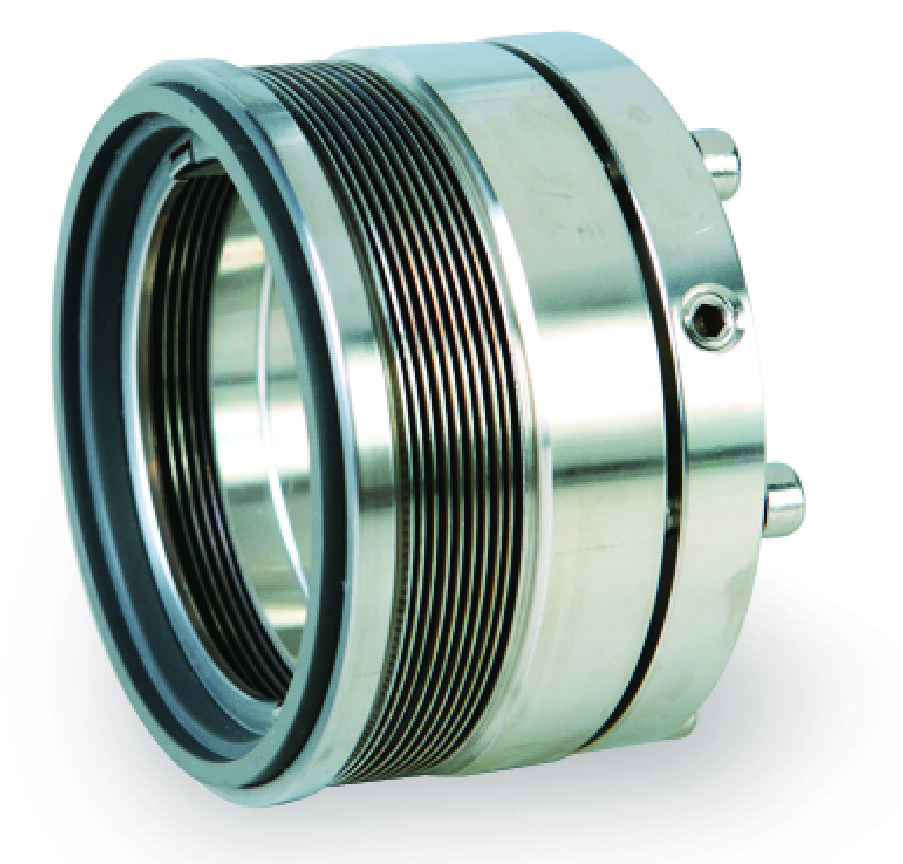
How Metal Bellows Mechanical Seals Resist Corrosion in Harsh Conditions
Metal bellows mechanical seals excel in corrosive environments by addressing three critical failure modes common in high-pressure systems: chemical degradation, mechanical stress, and galvanic interactions. Unlike traditional elastomeric seals, their metal-on-metal sealing surfaces eliminate permeation risks while maintaining structural integrity under extreme conditions.
Understanding Seal Failure Mechanisms in Corrosive and High-Pressure Environments
Studies show 72% of industrial pump failures stem from seal degradation (Material Engineering Journal, 2023). Metal bellows seals combat this through:
- Chemical inertness: Corrosion-resistant alloys like Hastelloy C-276 withstand pH extremes (0–14) and oxidizing agents
- Pressure stability: Welded bellows maintain >99% seal effectiveness at pressures exceeding 500 psi (34.5 bar)
- Thermal resilience: No elastomers means no softening or cracking between -40°C and 400°C
Hermetic Sealing Without Dynamic O-Rings: Eliminating Leak Paths
The bellows' monolithic construction removes dynamic O-rings – the primary failure point in 58% of chemical processing seals (Fluid Sealing Association, 2022). This design prevents swell and gasket creep from hydrocarbon exposure, eliminates microtears caused by thermal cycling, and reduces maintenance frequency by 40–60% compared to conventional designs.
Role of the Bellows Design in Preventing Galvanic and Crevice Corrosion
Precision-engineered bellows avoid stagnant fluid pockets that cause localized corrosion. Key features include:
| Design Feature | Corrosion Prevention Benefit |
|---|---|
| Single-material construction | Eliminates galvanic pairs between dissimilar metals |
| Full penetration welds | Removes crevices where chlorides accumulate |
| Controlled surface finish (Ra <16 µin) | Minimizes pitting initiation sites |
The bellows' axial flexibility (up to ±3mm movement) prevents stress corrosion cracking—a critical advantage in sour gas applications with H−S concentrations exceeding 50 ppm.
Corrosion Resistance of Materials Used in Bellows Mechanical Seals
Evaluating the Performance of Hastelloy, Stainless Steel, and Other Corrosion-Resistant Alloys
What kind of materials we choose really determines how well bellows mechanical seals resist corrosion over time. Take Hastelloy C-276 for instance. Tests from NACE International back in 2023 showed this alloy stands up to chloride exposure with around 99.5% effectiveness against stress corrosion cracking. That makes it a top pick when dealing with harsh conditions like seawater or sour gas environments. For situations where temperatures aren't too extreme and acidity levels range between pH 2 and 10, standard austenitic stainless steels such as 316L work pretty well. But when faced with serious oxidizing acids like nitric or sulfuric acid, manufacturers turn to super duplex alloys which can handle these aggressive chemicals better. Industry professionals often go for these materials because they strike a good balance between what they cost and how long they last in chemical processing plants across various industries.
Chemical Compatibility Across pH Extremes and Oxidizing Agents
Materials used for bellows seals need to handle extreme pH conditions ranging from super concentrated sulfuric acid with a pH below 1 all the way up to caustic soda solutions where pH exceeds 14. Testing done in independent labs has found that Hastelloy B-3 keeps its structure intact even when exposed to 98 percent sulfuric acid at around 80 degrees Celsius. This material beats regular stainless steel by about eight times when it comes to resisting both erosion and corrosion under harsh conditions. When dealing with hydrogen peroxide applications, special grades stabilized with titanium stop the breakdown process that can happen catalytically. This is really important for safety reasons and overall performance, especially within the pharmaceutical sector and paper mills where such reactions could cause serious problems if left unchecked.
Long-Term Durability and Lifespan in Continuous Service
Data collected across 450 industrial pumps shows that AM-350 stainless steel bellows seals last between 24,000 to 32,000 service hours in refinery charge pump applications, which is about twice as long as what we typically see with elastomer based seals. What makes these seals so durable? They can handle over 10,000 thermal cycles even when temperature differences reach 300 degrees Celsius. The material also resists micro cracks at an impressive rate of less than 0.1 mm per year according to ASTM G48 standards. Plus, they stand up well against sulfide stress corrosion even when hydrogen sulfide levels hit 2 psi. Another advantage comes from how these seals are designed without dissimilar metal contacts. This clever engineering cuts down on galvanic corrosion problems. Most chemical processing plants report seeing this benefit firsthand, with nearly nine out of ten facilities noting improved performance after switching to these advanced alloys.
Real-World Applications in Chemical Processing and Oil & Gas Industries
Metal bellows mechanical seals have proven indispensable in corrosive environments where traditional seals fail prematurely. Their ability to withstand extreme chemical and thermal stresses makes them a cornerstone technology across critical industries like chemical processing, oil and gas extraction, and refining.
Case Study: Sulfuric Acid Handling and Chloride Exposure Challenges
According to a recent 2023 study from NACE International looking at sulfuric acid transfer pumps running at about 93% concentration, metal bellows seals cut down on leakage problems by nearly 99% when compared to those old fashioned spring loaded designs. Without those rubbery secondary seals, there were fewer micro cracks forming because of that pesky chloride induced stress corrosion cracking issue which tends to plague duplex stainless steel parts so often.
Field Performance Data from Industrial Pumping Systems
Refinery fluid catalytic cracking units using metal bellows seals reported 12,000+ hours of continuous operation without intervention in hydrocarbon services containing 500 ppm chlorides. This contrasts sharply with standard cartridge seals requiring quarterly replacements under similar conditions, reducing annual maintenance costs by $74k per pump (ASM International 2023).
Selecting the Right Bellows Mechanical Seal for Sour Gas and High-Chloride Environments
Four critical selection criteria dominate material choices for these applications:
- Galvanic corrosion resistance between bellows and mating components
- Stress corrosion cracking threshold in H−S-laden (sour gas) environments
- Creep resistance at sustained temperatures above 400°F (204°C)
- Thermal cycling capability without loss of spring rate
For sour gas compressors handling 30% H−S concentrations, super duplex stainless steel bellows with platinum-coated welds now represent 67% of new installations according to recent ASM International failure analysis reports. This configuration effectively mitigates both hydrogen embrittlement and crevice corrosion at dynamic interfaces.
Total Cost of Ownership: Balancing Initial Cost and Long-Term Reliability
Reducing Downtime and Maintenance Costs with Corrosion-Resistant Seals
Metal bellows mechanical seals can really cut down on operational costs because they help prevent those unexpected shutdowns that happen so often in corrosive environments. According to research from the Ponemon Institute in 2023 looking at industrial pumps, about 62% of all maintenance work was actually due to corrosion problems, which ends up costing factories around $740,000 each year just from being shut down. The main reason metal bellows work better than traditional seals is that they get rid of those dynamic elastomers, which tend to fail quickly when exposed to acids or high chloride levels. Plants dealing with things like moving sulfuric acid or operating offshore oil rigs report needing 40 to 60 percent less maintenance on their sealing systems when switching to metal bellows technology. This makes a huge difference for facilities running in harsh chemical conditions where reliability matters most.
Cost vs. Longevity Trade-Offs in Critical Process Equipment
While metal bellows seals carry a 15–30% higher upfront cost than elastomer-based alternatives, their lifecycle economics are superior in aggressive media.
| Cost Factor | Conventional Seals | Metal Bellows Seals |
|---|---|---|
| Annual Maintenance | $18,000 | $7,200 |
| Downtime Hours/Year | 120 | 35 |
| Replacement Cycles | 18–24 months | 5–7 years |
Facilities working with sour gases or strong oxidizers often see their money back in about two to three years because they replace seals less frequently and suffer fewer production interruptions. Take chemical reactor pumps for instance these vital pieces of machinery can last well over a decade when made from materials like Hastelloy C-276, which makes up for the higher upfront cost. The numbers back this up too according to recent industry reports, around seven out of ten dollars spent on equipment over its lifetime goes toward running it rather than buying it new. That's why smart operators look beyond sticker prices when selecting materials for harsh environments.
Frequently Asked Questions
What are metal bellows mechanical seals?
Metal bellows mechanical seals are specialized seals used in high-pressure and corrosive environments. They are characterized by their metal-on-metal sealing surfaces, eliminating permeation risks and maintaining structural integrity under extreme conditions.
Which industries benefit from metal bellows mechanical seals?
Industries such as chemical processing, oil and gas extraction, and refining benefit from using metal bellows mechanical seals as they withstand extreme chemical and thermal stresses.
What materials are commonly used in bellows seals?
Common materials used in bellows seals include Hastelloy, stainless steel, and other corrosion-resistant alloys. These materials are chosen for their ability to resist corrosion, maintain chemical compatibility across pH extremes, and offer longer durability.
How do metal bellows mechanical seals reduce maintenance costs?
Metal bellows mechanical seals reduce maintenance costs by eliminating dynamic elastomers that fail quickly when exposed to harsh chemicals and high chloride levels, resulting in less frequent seal replacements and reduced downtime.
Table of Contents
- How Metal Bellows Mechanical Seals Resist Corrosion in Harsh Conditions
- Corrosion Resistance of Materials Used in Bellows Mechanical Seals
- Real-World Applications in Chemical Processing and Oil & Gas Industries
- Total Cost of Ownership: Balancing Initial Cost and Long-Term Reliability
- Frequently Asked Questions