
 EN
EN
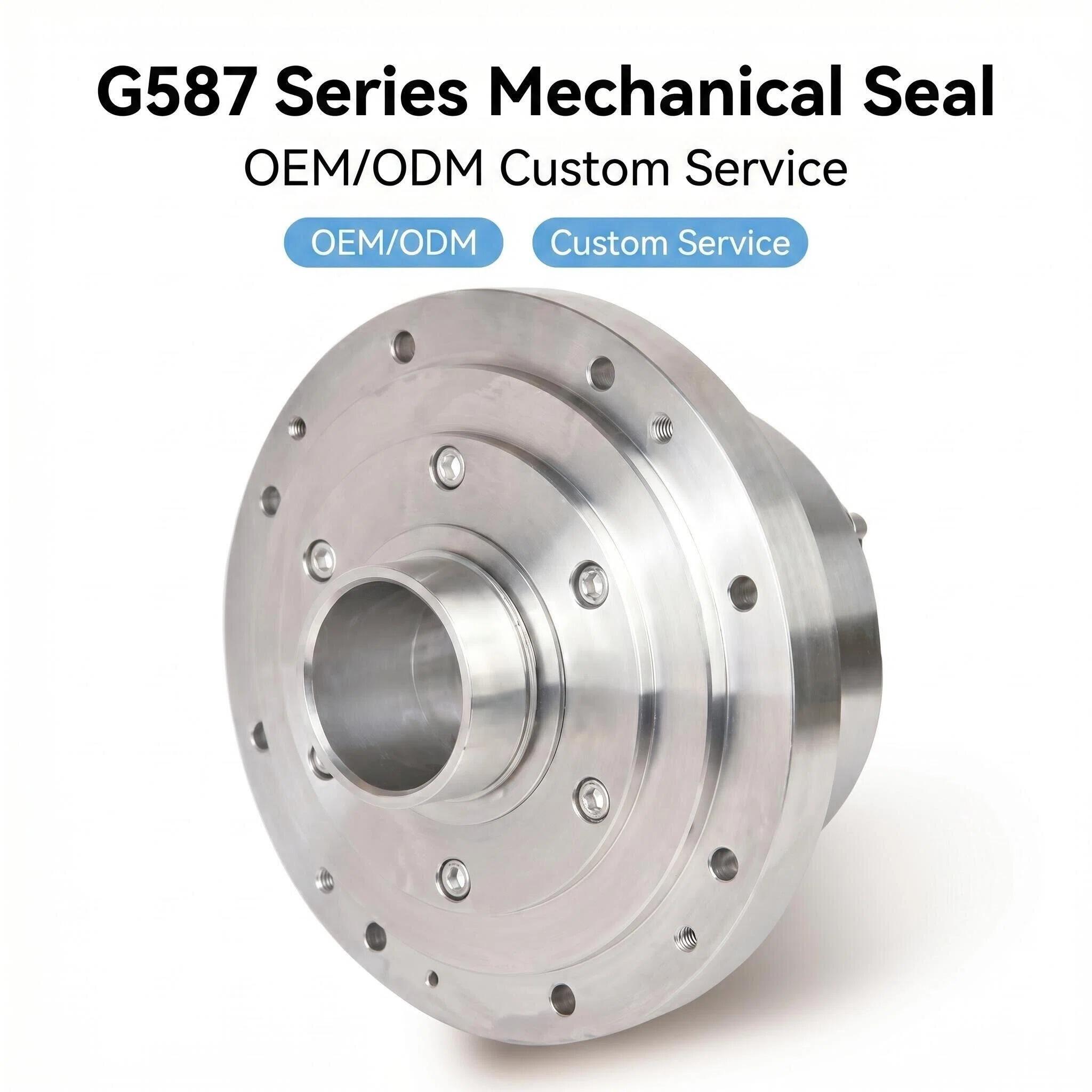
In high-demand industrial environments, slurry pump mechanical seals are among the most stress-tested components in the entire fluid handling system. These seals operate under continuous exposure to abrasive particles, corrosive chemicals, and fluctuating pressures that accelerate degradation far more rapidly than in clean-fluid applications. When a seal begins to fail, the consequences extend well beyond a simple maintenance call — unplanned downtime, contaminated process streams, and costly equipment damage can all follow. Understanding how to maintain and protect these seals is therefore not optional; it is a core operational competency for any facility running slurry handling systems.
This guide walks through the practical methods and workflows used by maintenance professionals to extend the service life of slurry pump mechanical seals, prevent premature wear, and eliminate leakage before it becomes a critical failure. From seal face flushing strategies to correct installation protocols, each section addresses a specific maintenance discipline that directly impacts seal longevity. Whether you are managing a mining operation, a chemical processing plant, or a wastewater treatment facility, the principles covered here apply to any application where slurry pump mechanical seals must perform reliably day after day.
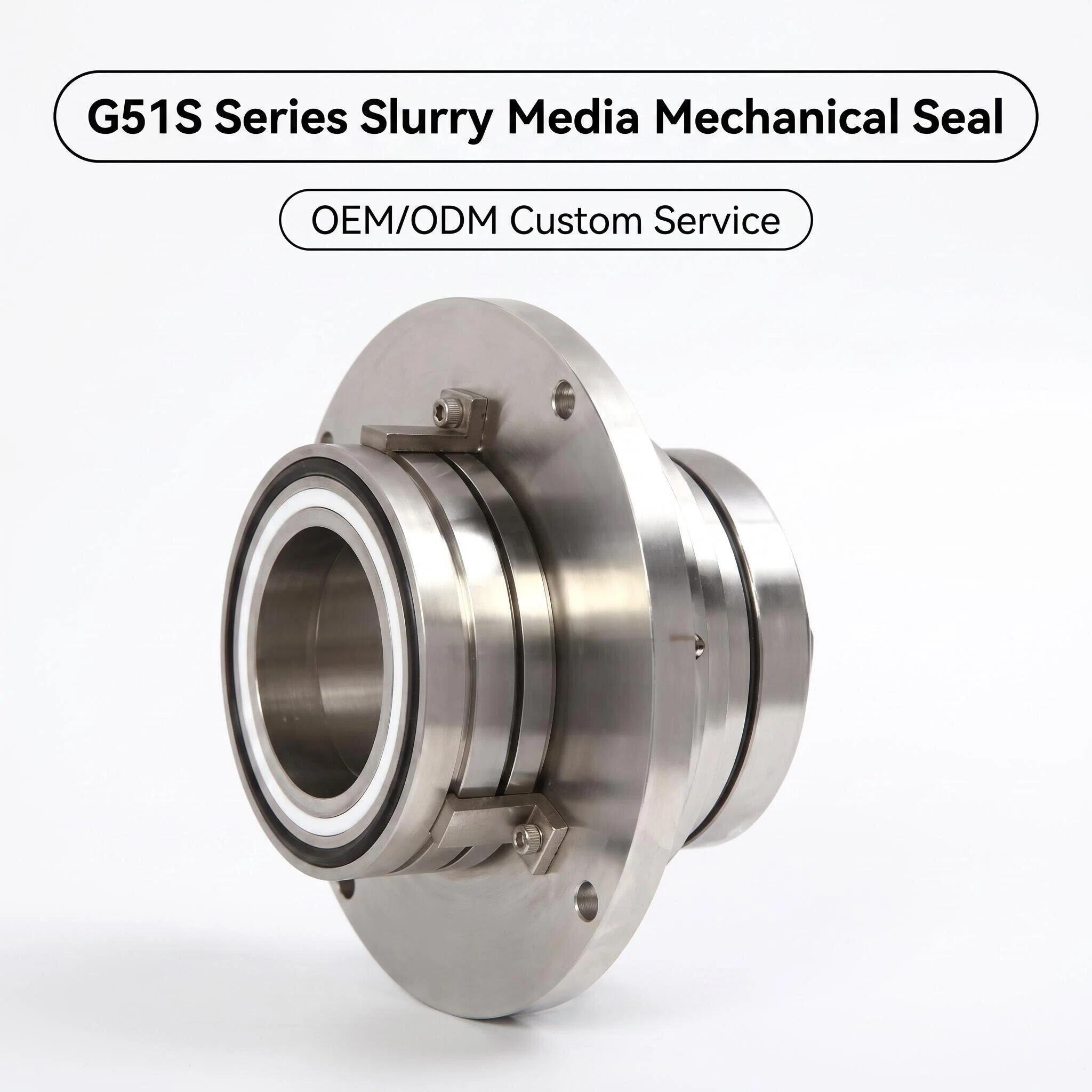
Understanding Why Slurry Pump Mechanical Seals Fail
The Role of Abrasion in Seal Degradation
The fundamental challenge with slurry pump mechanical seals is that the media being pumped is inherently hostile to precision-engineered components. Slurry contains solid particles ranging from fine silt to coarse aggregate, and these particles do not simply pass through the pump without effect. They infiltrate the seal interface, embed into the soft seal face, and create a lapping action that gradually destroys the flatness and finish that the seal depends on to maintain a fluid-tight barrier.
Abrasion wear on slurry pump mechanical seals typically presents as scoring lines visible on the primary ring or mating ring face. Once this surface finish is compromised, the hydrodynamic film that separates the faces collapses, friction increases sharply, and heat generation accelerates the destruction further. In practice, a seal operating in a high-solids slurry with no flushing protection may reach the end of its useful life in a fraction of the time it would last in a clean-water environment.
Selecting seal face materials with appropriate hardness and chemical compatibility is the first line of defense. Silicon carbide versus silicon carbide pairings are commonly used in abrasive slurry duties because the matched hardness minimizes the embedding of particles. However, even the best material selection cannot fully compensate for poor operating conditions, which is why ongoing maintenance practices remain essential for slurry pump mechanical seals in any application.
Leakage Pathways and Their Root Causes
Leakage in slurry pump mechanical seals does not always originate from face wear. Secondary sealing elements, including O-rings, V-rings, and elastomeric bellows components, are equally vulnerable to chemical attack and thermal cycling. When the secondary seal loses its ability to maintain a static barrier, slurry can migrate along the shaft and bypass the primary face seal entirely, creating leakage that appears at the gland or along the sleeve even when the seal faces are still in serviceable condition.
Shaft runout and misalignment are also significant contributors to leakage. Slurry pump mechanical seals are designed to accommodate a limited amount of axial movement through spring loading, but they are not tolerant of significant radial deflection or vibration. Excessive runout causes the seal faces to open and close dynamically during each shaft revolution, pumping slurry across the face and accelerating both wear and leakage simultaneously.
Thermal shock is another failure pathway that is frequently overlooked. When a pump is started dry, even briefly, the seal faces can reach temperatures that damage the face material or cause differential thermal expansion that cracks the seal ring. Ensuring that slurry pump mechanical seals are never started without liquid present in the seal chamber is a basic but critical operating rule that significantly reduces failure frequency.
Establishing a Practical Flushing and Quenching Strategy
Flush Plan Selection Based on Slurry Characteristics
The most effective single intervention for protecting slurry pump mechanical seals is the correct implementation of a flush plan. Flushing introduces clean liquid into the seal chamber to dilute solids concentration, lower temperature, and maintain a lubricating film across the seal faces. The appropriate flush plan depends on the slurry composition, particle size, temperature, and the available flush water quality at the installation site.
A throat bushing arrangement combined with a flush injection point allows clean water to be introduced between the impeller and the seal chamber. This creates a positive pressure differential that prevents high-solids slurry from migrating toward the seal faces. In applications where slurry particle sizes are large or where the solids content is very high, this approach can extend the operational life of slurry pump mechanical seals significantly compared to an unflushed arrangement.
The flush flow rate must be carefully balanced. Too little flush water fails to adequately dilute the solids at the seal face, while too much can cause dilution of the process stream, increase water consumption costs, or create pressure imbalances that destabilize the seal. Consulting the seal manufacturer's recommended flush flow rates and maintaining those parameters consistently is part of disciplined maintenance for slurry pump mechanical seals.
Quench and Drain Systems for High-Temperature Applications
In applications where slurry temperatures are elevated, a quench system provides an additional layer of protection for slurry pump mechanical seals. A quench introduces a low-pressure secondary fluid on the atmospheric side of the seal to cool the seal components, prevent crystallization of process materials on the seal faces, and dilute any slurry that crosses the primary seal face before it can dry and cause abrasion damage.
Quench systems are particularly valuable in processes where the slurry has a tendency to solidify or build scale when it contacts air or cools rapidly. Without a quench, dried slurry deposits can accumulate on the outboard face of slurry pump mechanical seals, creating a grinding paste that dramatically accelerates wear the next time the pump starts. A continuous low-flow quench keeps this zone clean and moist, preventing the formation of these damaging deposits.
Drain connections in the gland plate should be kept clear and unobstructed at all times. Blocked drains cause fluid to accumulate in the seal chamber, which can alter the pressure balance across the seal faces and contribute to both wear and leakage. Regularly verifying that drain ports are free-flowing is a simple but often overlooked maintenance task for slurry pump mechanical seals.
Correct Installation Practices to Prevent Early Failure
Shaft Preparation and Dimensional Verification
Improper installation is responsible for a disproportionate share of early-life failures in slurry pump mechanical seals. Before any seal is installed, the shaft or sleeve surface must be inspected for corrosion, scoring, or dimensional deviation. The shaft diameter tolerance specified by the seal manufacturer must be verified with a calibrated micrometer, as an undersized or oversized shaft will prevent the secondary seal from forming a proper static barrier.
The shaft surface finish in the seal contact zone is critical. A surface that is too rough will damage the secondary sealing element during installation, while a surface that is too smooth may not provide adequate grip for a static O-ring. Following the manufacturer's specified roughness values, typically expressed as Ra measurements, ensures that slurry pump mechanical seals will seat correctly and maintain their static sealing function throughout the service period.
Seal chamber bore and face perpendicularity should also be verified before installation. A gland face that is not square to the shaft centerline will cause uneven loading across the seal face, creating a high-wear zone on one side of the seal while the opposite side may be insufficiently loaded. Taking the time to verify these dimensions before every seal replacement is an investment that directly translates into longer seal service life.
Handling, Setting Length, and Compression Control
Slurry pump mechanical seals are precision components that can be damaged by seemingly minor mishandling. Seal faces should never be touched with bare hands, as skin oils can contaminate the lapped surface and compromise the fluid film during initial operation. When setting the seal in place, the face should be handled only on the outside diameter or through clean gloves, and any protective packaging should remain in place until the moment of installation.
Setting length is one of the most critical parameters during installation. If a cartridge seal is used, the setting clips must remain engaged until the gland is fully bolted and the pump is reassembled, then released in the sequence recommended by the manufacturer. For component seals, the correct spring compression must be established using the installation dimension specified on the seal drawing. Too much compression leads to excessive face loading and rapid wear; too little results in insufficient contact pressure and immediate leakage.
After installation, rotating the shaft by hand while observing the seal for any signs of binding, dragging, or irregular resistance is a simple but effective pre-start check. Smooth, consistent rotation indicates that the slurry pump mechanical seals are properly seated and that no components are misaligned or contacting surfaces they should not be touching. This two-minute check can prevent a seal failure that would otherwise occur within the first few hours of operation.
Routine Inspection and Condition Monitoring Protocols
Visual and Tactile Inspection Intervals
Even when slurry pump mechanical seals are operating within their design parameters, regular inspection intervals are necessary to detect early signs of distress before they progress into failure. The frequency of inspection should be based on the severity of the duty — in highly abrasive or chemically aggressive applications, weekly visual checks are appropriate, while lighter-duty installations may require only monthly reviews.
During each inspection, the seal gland area should be examined for any evidence of moisture, crystallized deposits, or staining that could indicate a slow leak. Small quantities of flush water appearing at the drain is normal and expected, but any sign of process slurry at the gland face indicates that the primary seal has been breached. Catching this condition early allows the pump to be scheduled for seal replacement during a planned maintenance window rather than as an emergency shutdown.
The flush water supply lines, pressure gauges, and flow indicators associated with slurry pump mechanical seals should be included in every inspection round. A flush line that has become partially blocked reduces the protective effect of the flush, exposing the seal faces to higher solids concentrations than they were designed to handle. Verifying that flush pressure and flow are within the specified operating range takes only a moment but provides confirmation that the seal protection system is functioning correctly.
Vibration Analysis and Temperature Monitoring
Condition monitoring technologies provide an objective way to track the health of slurry pump mechanical seals between physical inspections. Vibration analysis sensors mounted on the pump bearing housing can detect changes in rotational balance, bearing condition, and shaft dynamics that would otherwise go unnoticed until seal damage has already occurred. A trending increase in vibration amplitude is often the first measurable indicator that bearing wear or impeller imbalance is developing, both of which will eventually transfer stress to the seal.
Temperature monitoring at the seal gland or flush water outlet provides direct feedback on the thermal condition of slurry pump mechanical seals. A rising temperature trend in the absence of any change in process conditions suggests increasing friction at the seal face, which is a reliable indicator of advancing wear. Establishing a baseline temperature profile during initial commissioning and comparing ongoing readings against that baseline gives maintenance teams an early warning system that is both simple and effective.
Maintaining a maintenance log that records inspection findings, flush water consumption, vibration readings, and seal replacement history enables pattern recognition over time. If slurry pump mechanical seals in a particular pump are consistently failing at shorter intervals than similar pumps in the same facility, the log data provides the evidence base needed to investigate whether the root cause is operational, installation-related, or a materials selection issue that can be addressed with a different seal specification.
FAQ
How often should slurry pump mechanical seals be replaced during routine maintenance?
Replacement intervals for slurry pump mechanical seals vary depending on the abrasiveness of the media, operating pressure, temperature, and whether a flush system is in place. In severe-duty applications such as mining or mineral processing, intervals of three to six months are common, while lighter slurry duties may achieve twelve months or more between replacements. Condition monitoring data and inspection findings are more reliable guides to replacement timing than fixed calendar intervals alone.
What is the most common mistake made when installing slurry pump mechanical seals?
The most frequent installation error is failing to verify shaft dimensions and surface finish before fitting the seal. An out-of-tolerance shaft or a scored shaft surface will compromise the secondary sealing element immediately, leading to leakage that may be attributed incorrectly to seal quality rather than installation conditions. Always measure the shaft, clean and inspect the seal chamber, and follow the manufacturer's installation drawing carefully before fitting slurry pump mechanical seals.
Can slurry pump mechanical seals be repaired, or do they need to be replaced when they fail?
In most cases, slurry pump mechanical seals should be replaced rather than repaired when they exhibit wear or leakage. The seal faces, once scored or worn beyond the allowable face wear limit, cannot be reliably restored to the flatness specification required for proper function without specialized lapping equipment. Secondary seal components such as O-rings and springs should always be replaced as a complete set rather than individually, as mixing worn and new components leads to inconsistent performance and shortened service life.
How does flush water quality affect the performance of slurry pump mechanical seals?
Flush water quality has a direct impact on the effectiveness of the protection provided to slurry pump mechanical seals. Water containing suspended solids, scale-forming minerals, or chemical contaminants can introduce new abrasion and corrosion sources at the seal face, partially negating the benefit of flushing. Ideally, flush water should be filtered to remove particles above a size threshold appropriate for the seal face clearance, and its chemical compatibility with the seal materials should be confirmed before the flush system is placed into service.
Table of Contents
- Understanding Why Slurry Pump Mechanical Seals Fail
- Establishing a Practical Flushing and Quenching Strategy
- Correct Installation Practices to Prevent Early Failure
- Routine Inspection and Condition Monitoring Protocols
-
FAQ
- How often should slurry pump mechanical seals be replaced during routine maintenance?
- What is the most common mistake made when installing slurry pump mechanical seals?
- Can slurry pump mechanical seals be repaired, or do they need to be replaced when they fail?
- How does flush water quality affect the performance of slurry pump mechanical seals?